Kororā/Little Penguin Community Conservation
Across Aotearoa many dedicated community groups are caring for their local kororā/little penguin colonies.
We support these groups by fostering collaboration and sharing knowledge — with the aim of deepening our collective understanding of kororā populations nationwide.
Each group plays a vital role in contributing to our National Monitoring Programme, helping us to grow and refine our knowledge of kororā across the country. Many groups are actively involved with predator trapping, coastal revegetation, hosting rubbish clean ups and educating their local communities to help keep kororā homes safe.
Do you want to learn more about the amazing mahi being done by local conservation groups? Explore the groups below. You can also stay in the loop by signing up for our newsletter or following us on social media for the latest updates from across the motu.
If you live near the coast and you are keen to get involved, we’d love to hear from you — reach out to us at admin@nzpi.nz.
Groups/Organisations Monitoring Kororā Colonies
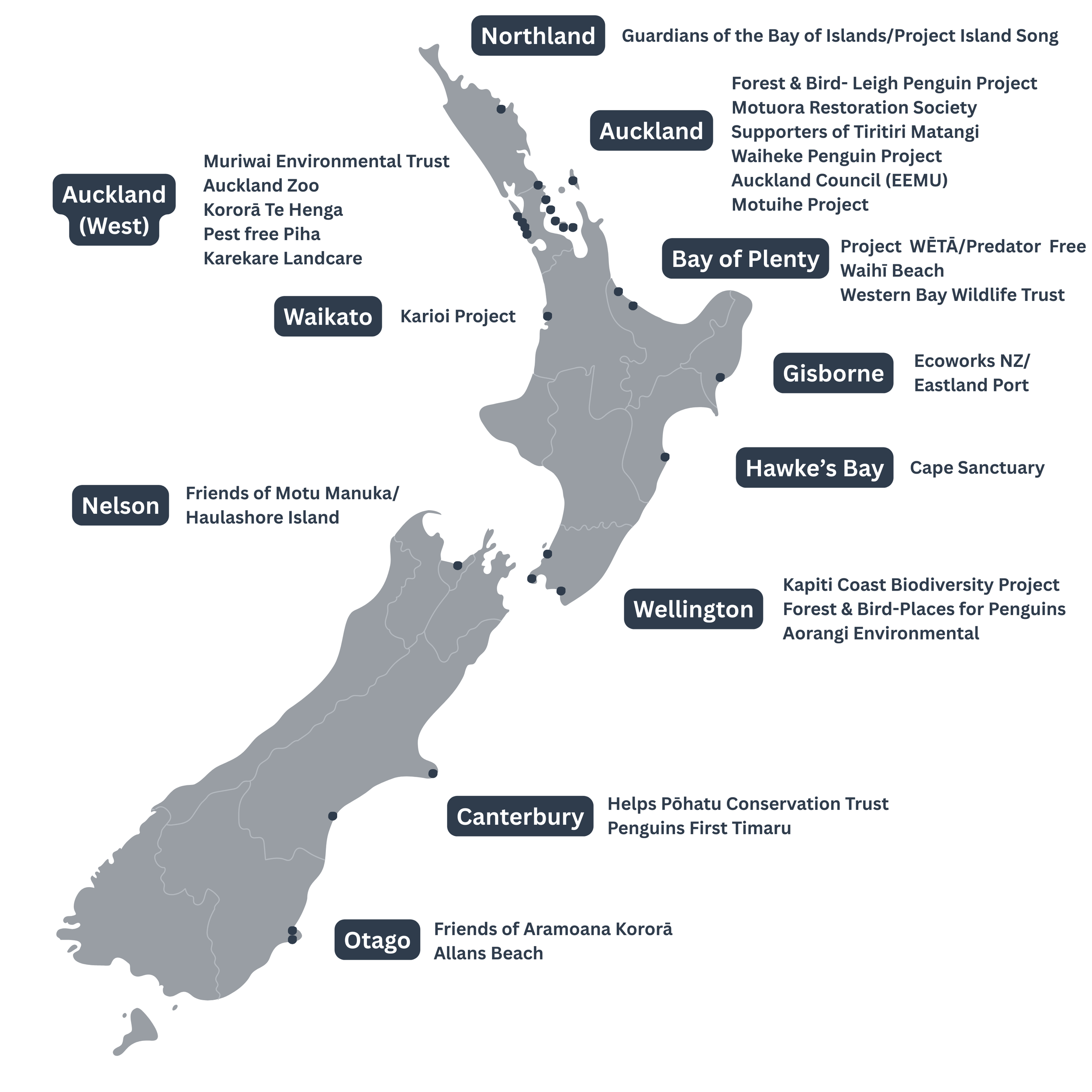
Use the map to check out kororā/little penguin conservation groups around Aotearoa.
Click the penguin icons to learn more about each group.
Interactive map
North Island | Te Ika a Māui
-
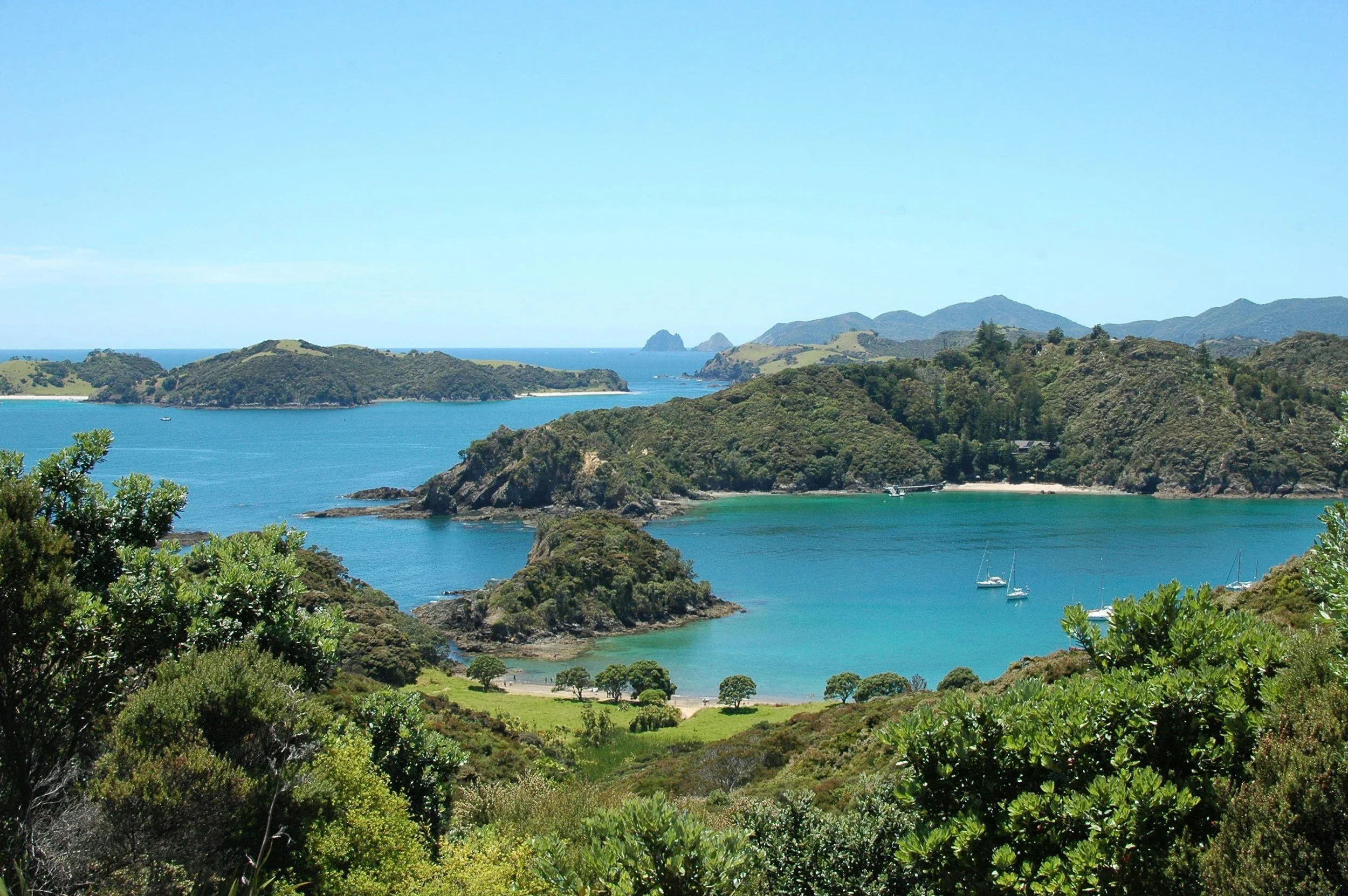
Guardians of the Bay of Islands/ Project Island Song, Northland
Project Island Song is a pest-free wildlife sanctuary covering the seven islands in the eastern Bay of Islands. The project works to restore and protect the natural eco-systems and heritage of the Bay of Islands so that it is here for everyone, forever.
-
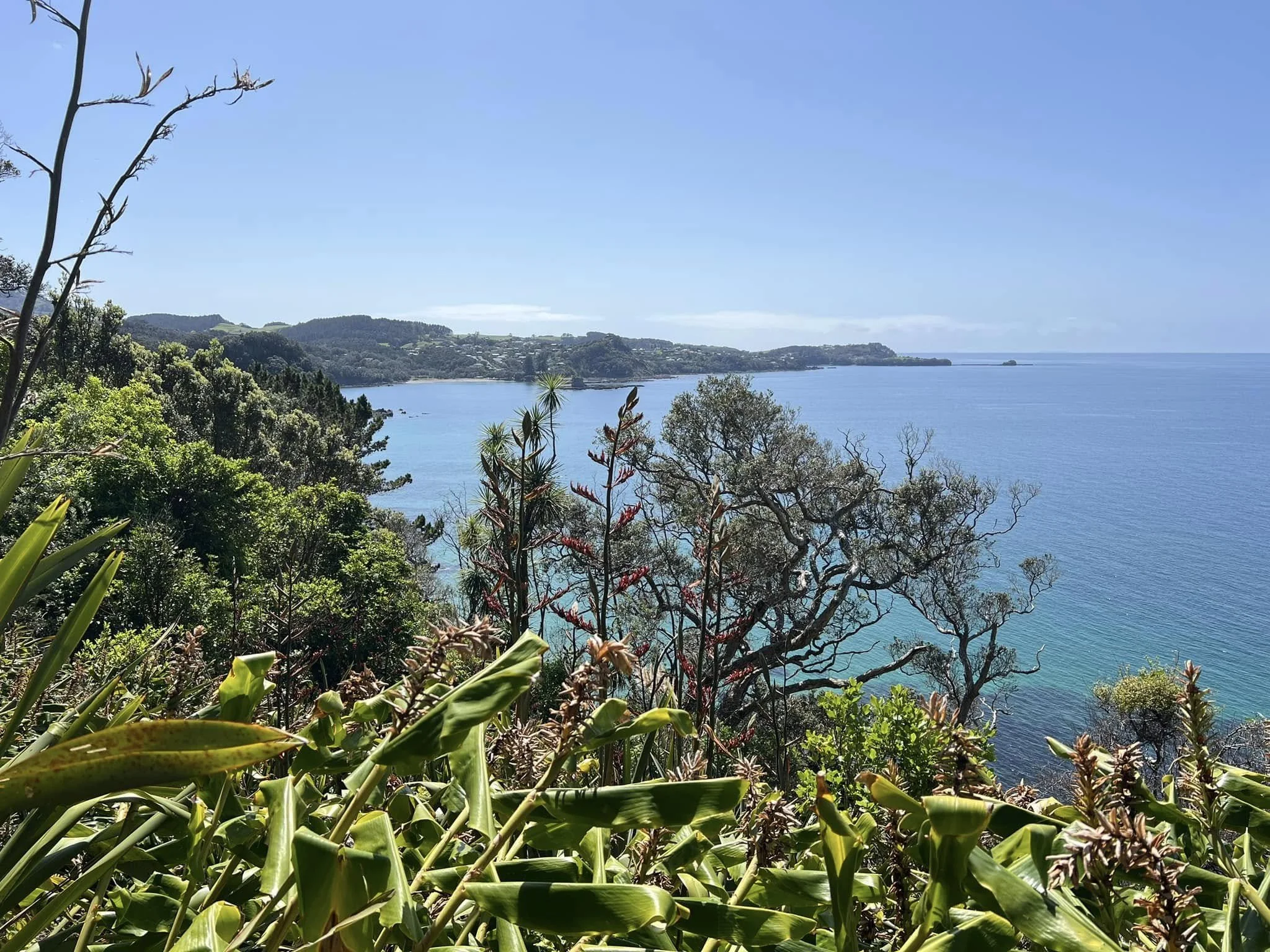
Forest & Bird Leigh Penguin Project, Auckland
Our vision is to create a safe habitat for Little penguins and other seabirds to thrive along the coast from Ti Point Wharf to Goat Island.
-
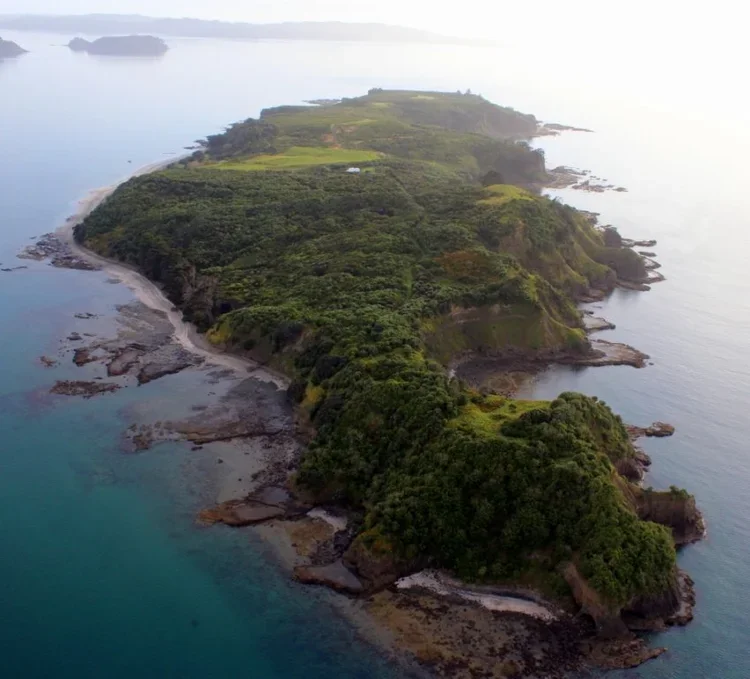
Motuora Restoration Society, Auckland's Hauraki Gulf
The Motuora Restoration Society was formed in 1995 to restore the fauna and flora on this once-farmed 80-hectare island. Pioneer planting is complete, and we are now concentrating on succession species. Little penguins have readily taken to nestboxes and to various other structures they find acceptable.
-
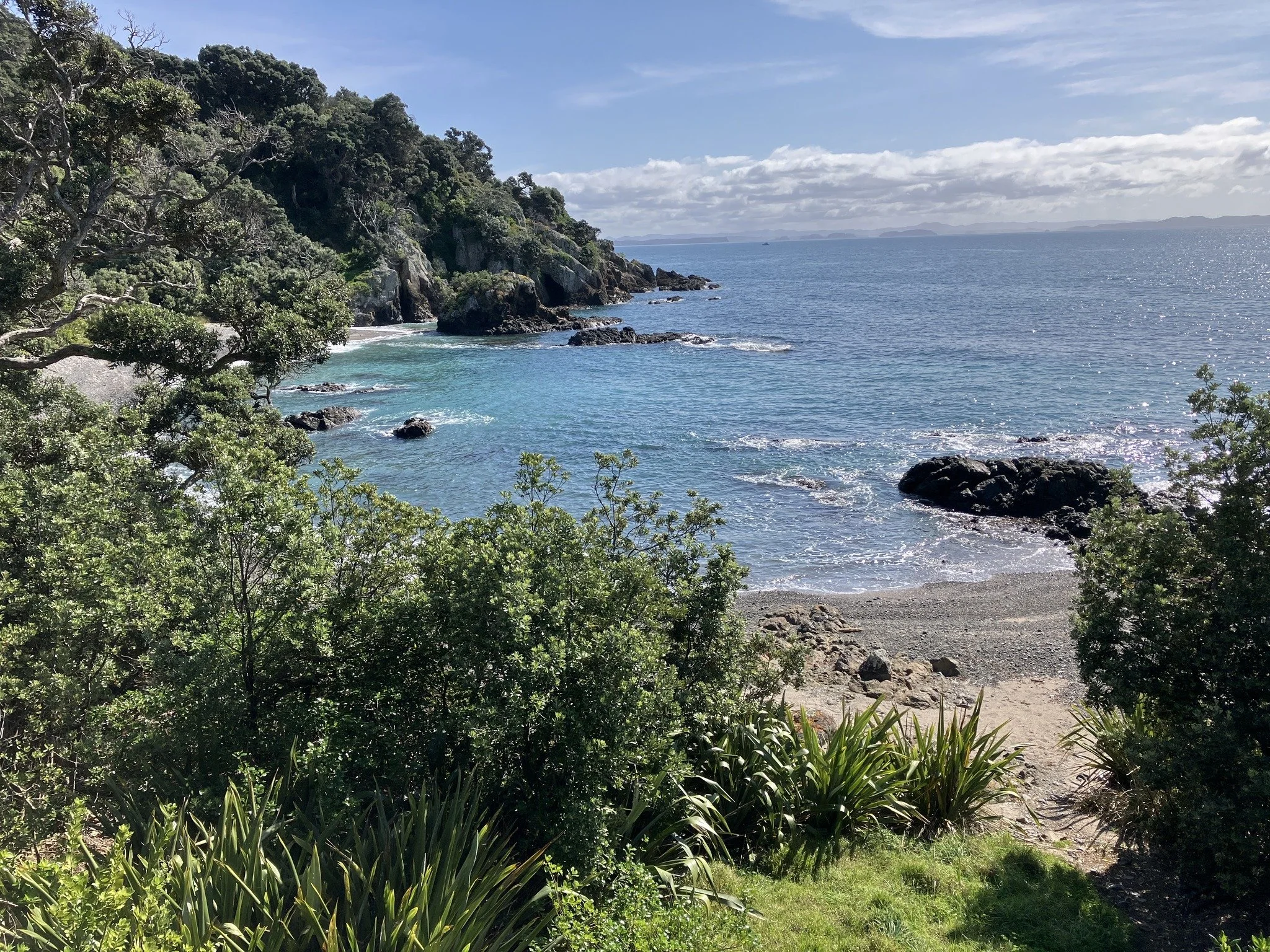
Supporters of Tiritiri Matangi, Auckland's Hauraki Gulf
SoTM exists to ‘promote and enhance the open sanctuary at Tiritiri Matangi and to ensure the continuance of the project’. The Supporters have, over many years, worked to restore the Island’s flora and fauna including planting over 280,000 trees and translocating birds, reptiles and invertebrates to (and latterly from) the island.
-
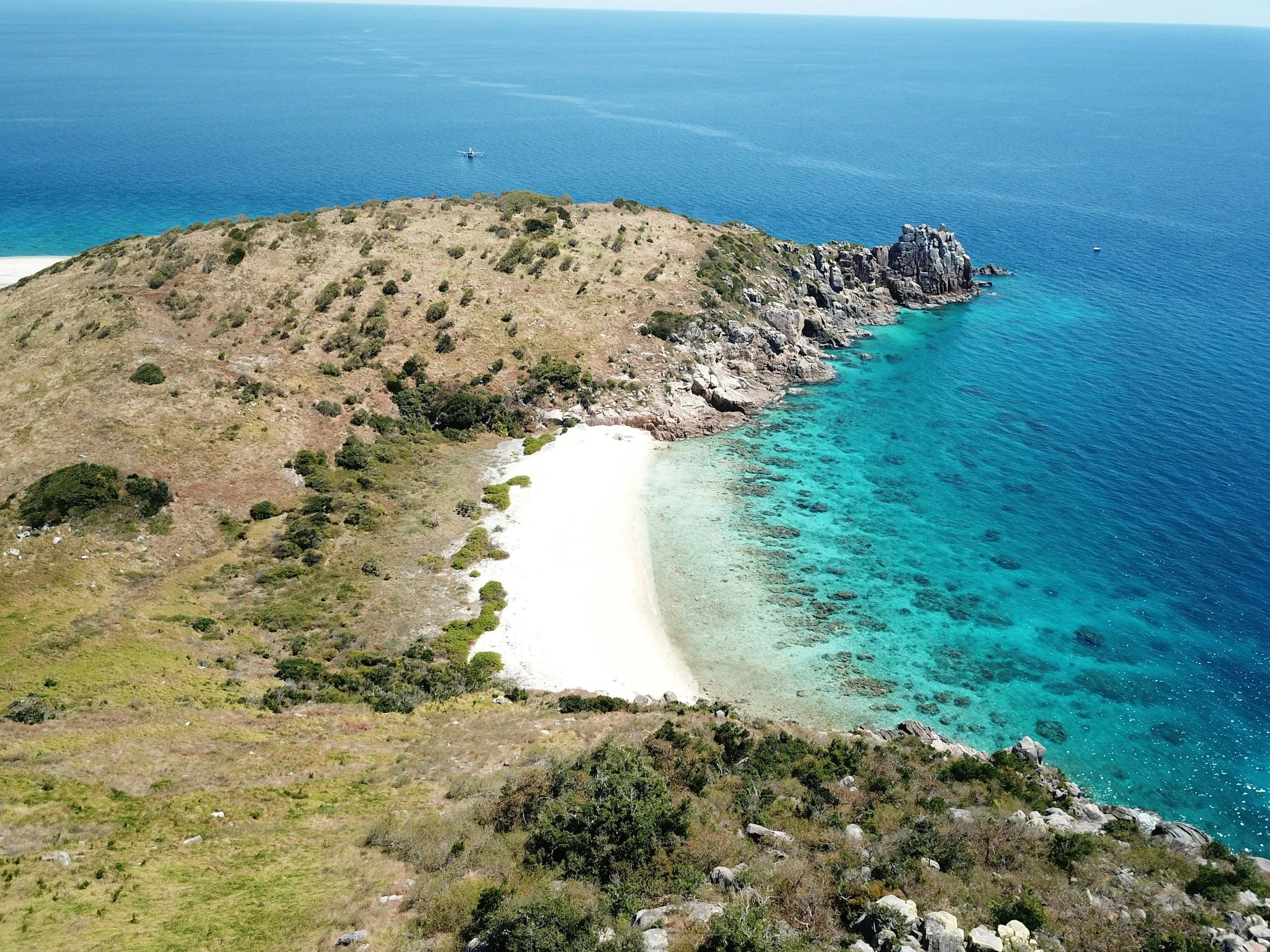
Auckland Council EEMU, Auckland's Hauraki Gulf
The council’s Environmental Evaluation and Monitoring Unit collects and reports on environmental data and research relating to council’s role in managing the natural environment of the Auckland region. Kororā monitoring is underway on Otata (The Noises) and Aotea (Great Barrier Island).
-
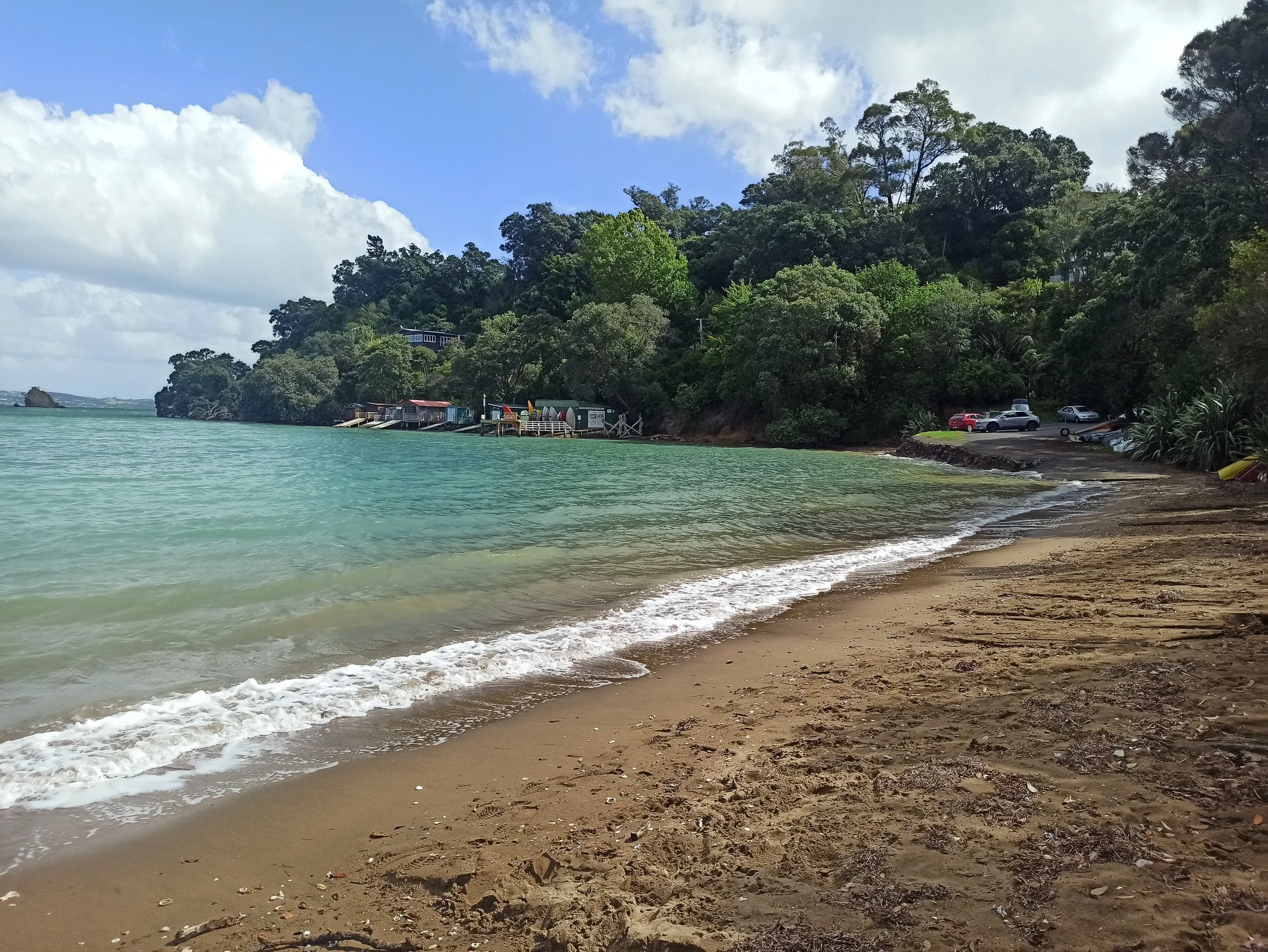
Waiheke Penguin Project, Auckland's Hauraki Gulf
This small monitoring project on private land involves two landowners on neighbouring properties both with kororā colonies present.
-
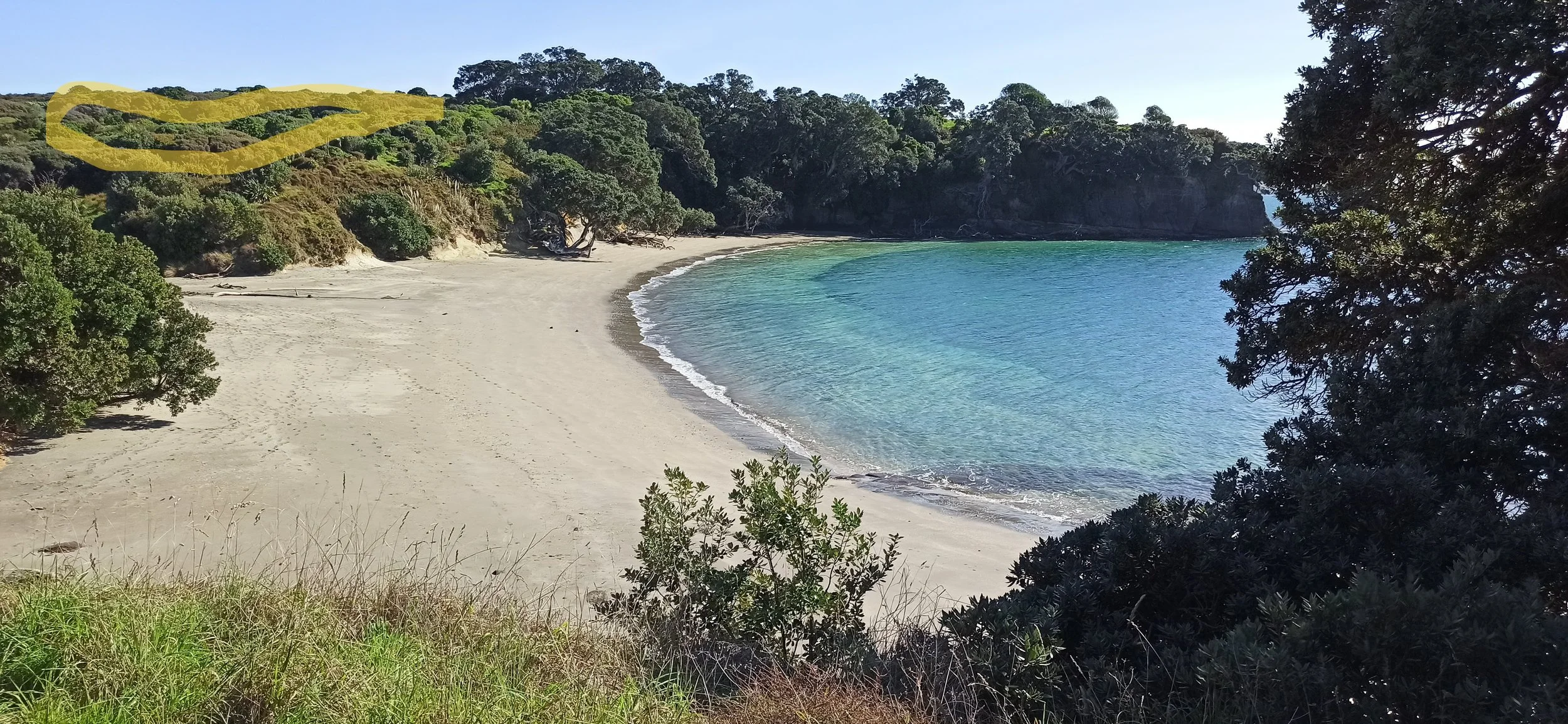
Motuihe Project, Auckland's Hauraki Gulf
The Motuihe Trust has a mission to restore, enhance and protect the indigenous flora and fauna, and the significant Maori and historic sites of Motuihe Island in consultation with stakeholders. Members of the community can participate in the restoration and maintenance of the island and see native birds in their natural habitat, easily accessible from Auckland City.
-
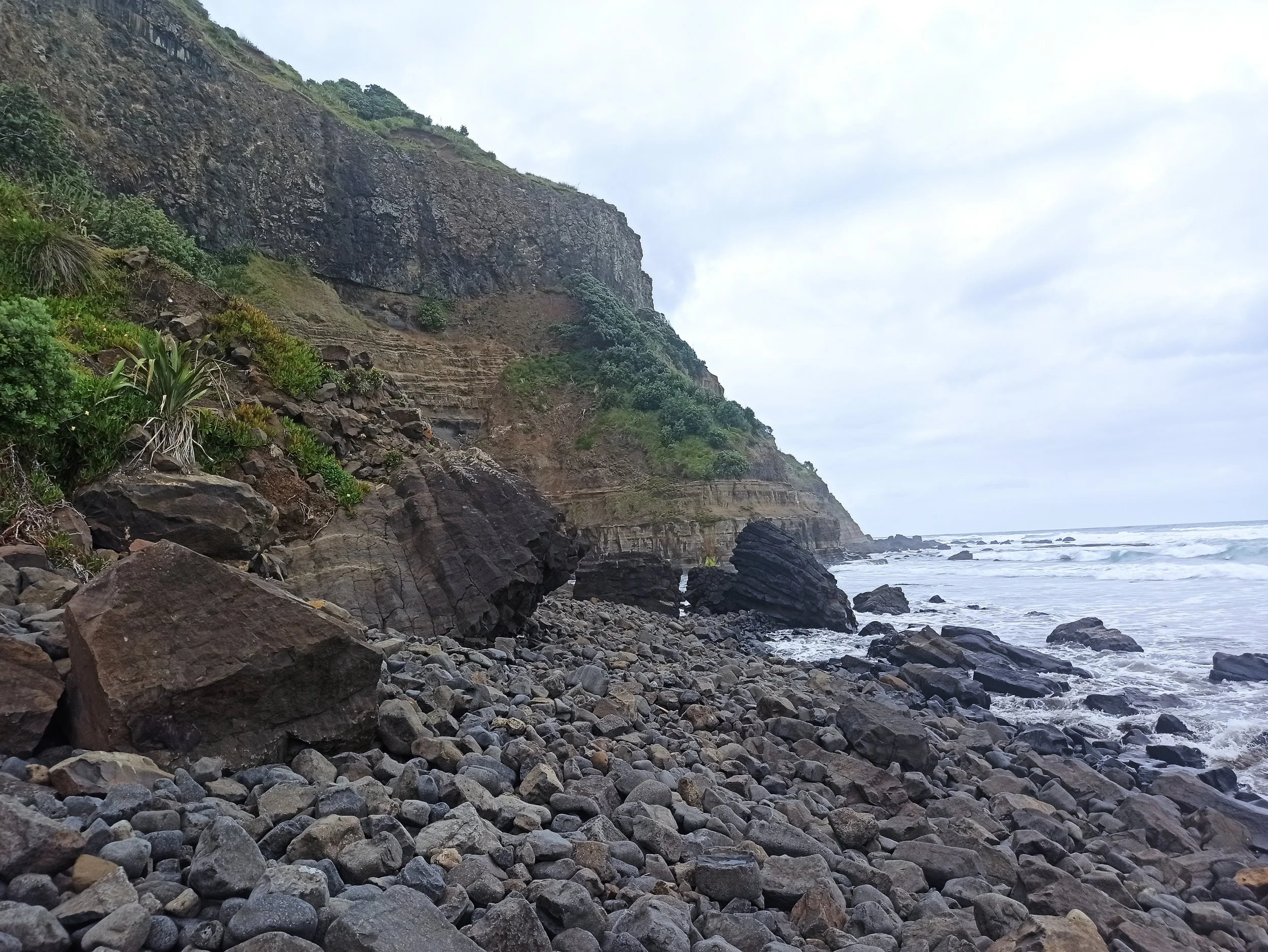
Muriwai Environment Trust- Muriwai Penguin Project, Auckland's West Coast
The Muriwai Penguin Project has been running for over 10 years, operating predominantly in the southern bays of Muriwai. Our main goals are to protect and expand the penguin colonies, raise local awareness regarding dog control and improve knowledge of the Auckland West Coast kororā population.
-
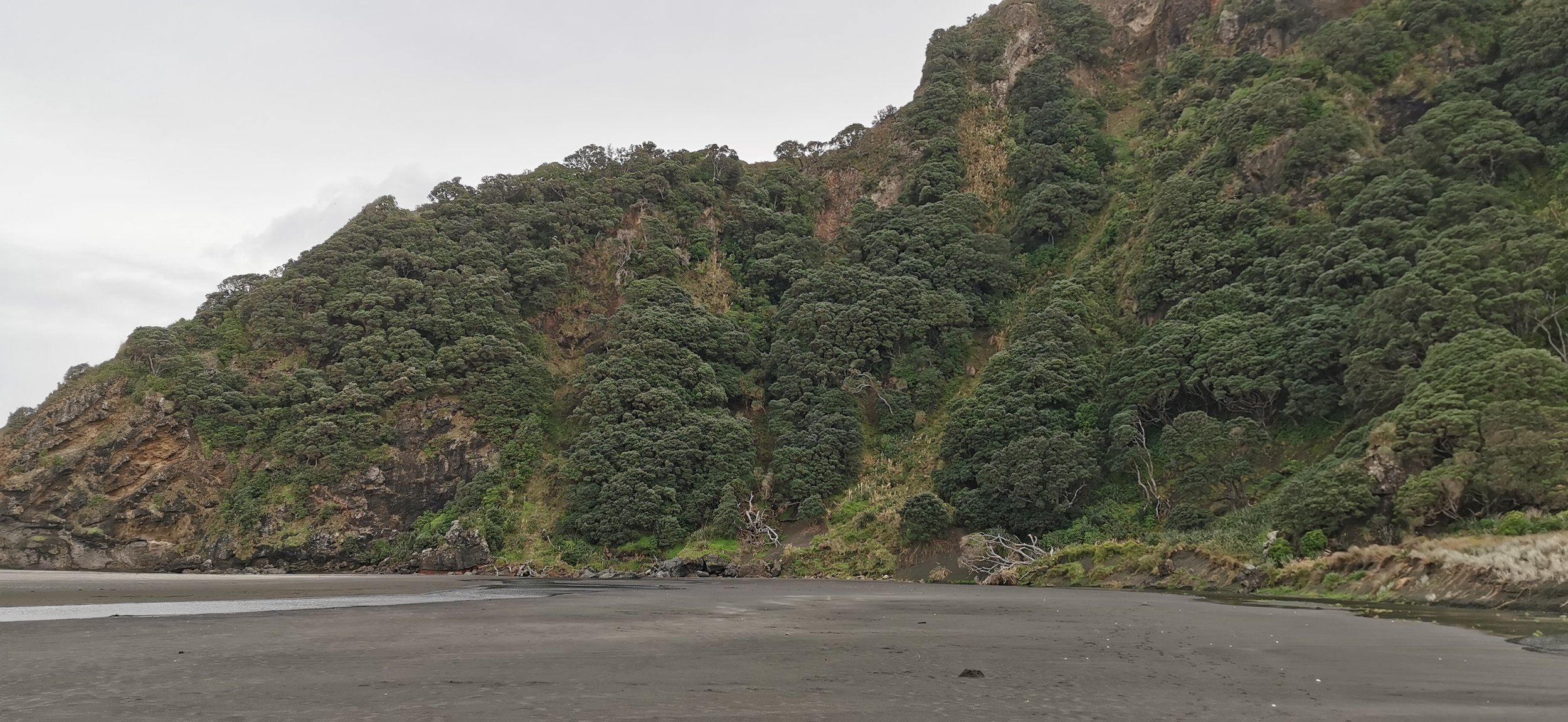
Auckland Zoo Kororā Project, Auckland's West Coast
The aim of Auckland Zoo is to support the conservation of kororā on the west coast of the Tamaki Makaurau region, through the coordination of a regular monitoring programme in collaboration with local community groups (Kororā Te Henga, Karekare Landcare Charitable Trust, Pest free Piha), mana whenua and NZPI.
-
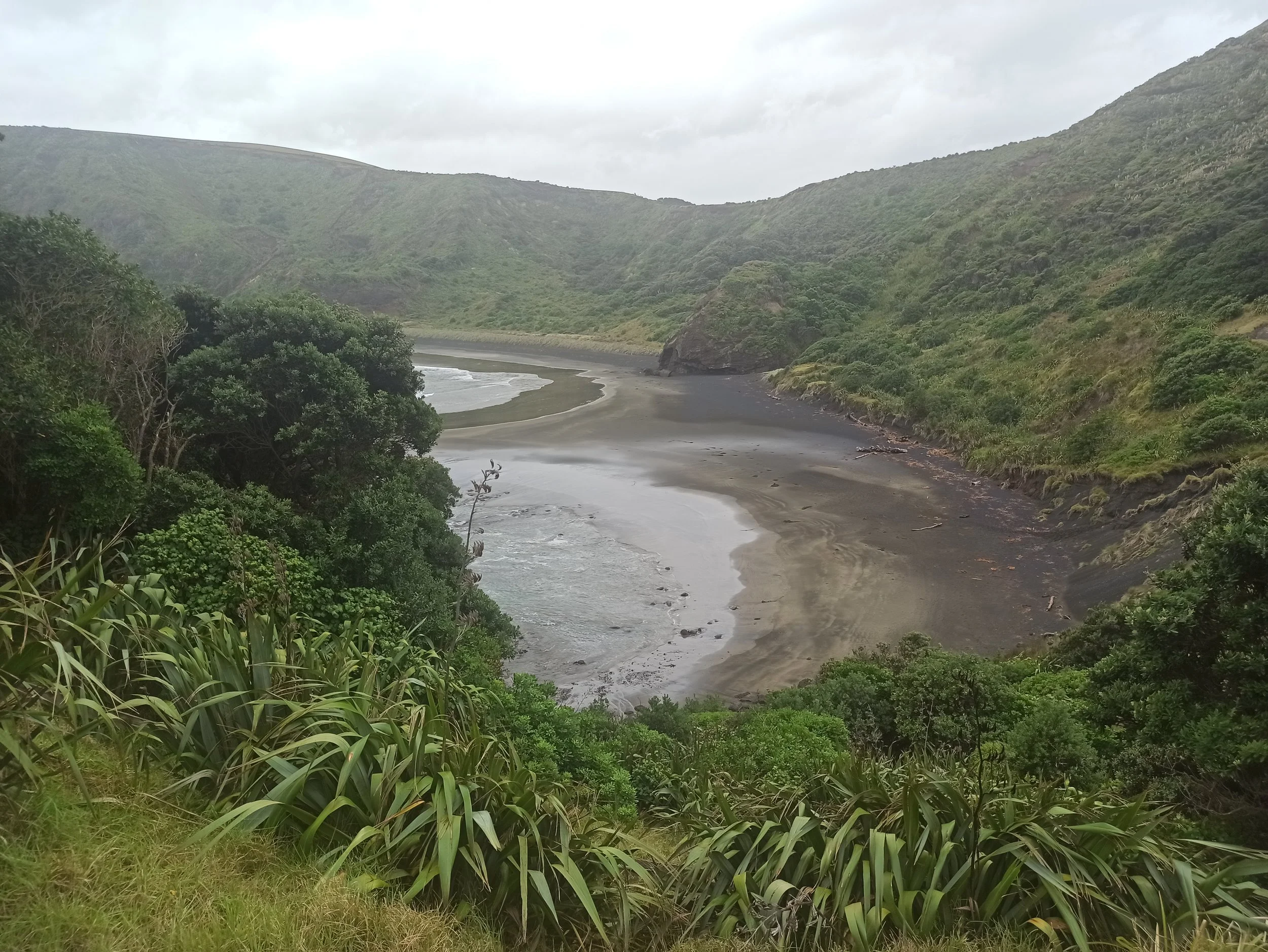
Kororā Te Henga, Auckland's West Coast
Volunteers undertake regular footprint surveys to provide an indication of numbers found throughout the Te Henga/Bethells Beach and surrounding bays. Nest monitoring in association with Auckland Zoo will help understand breeding and population trends.
-
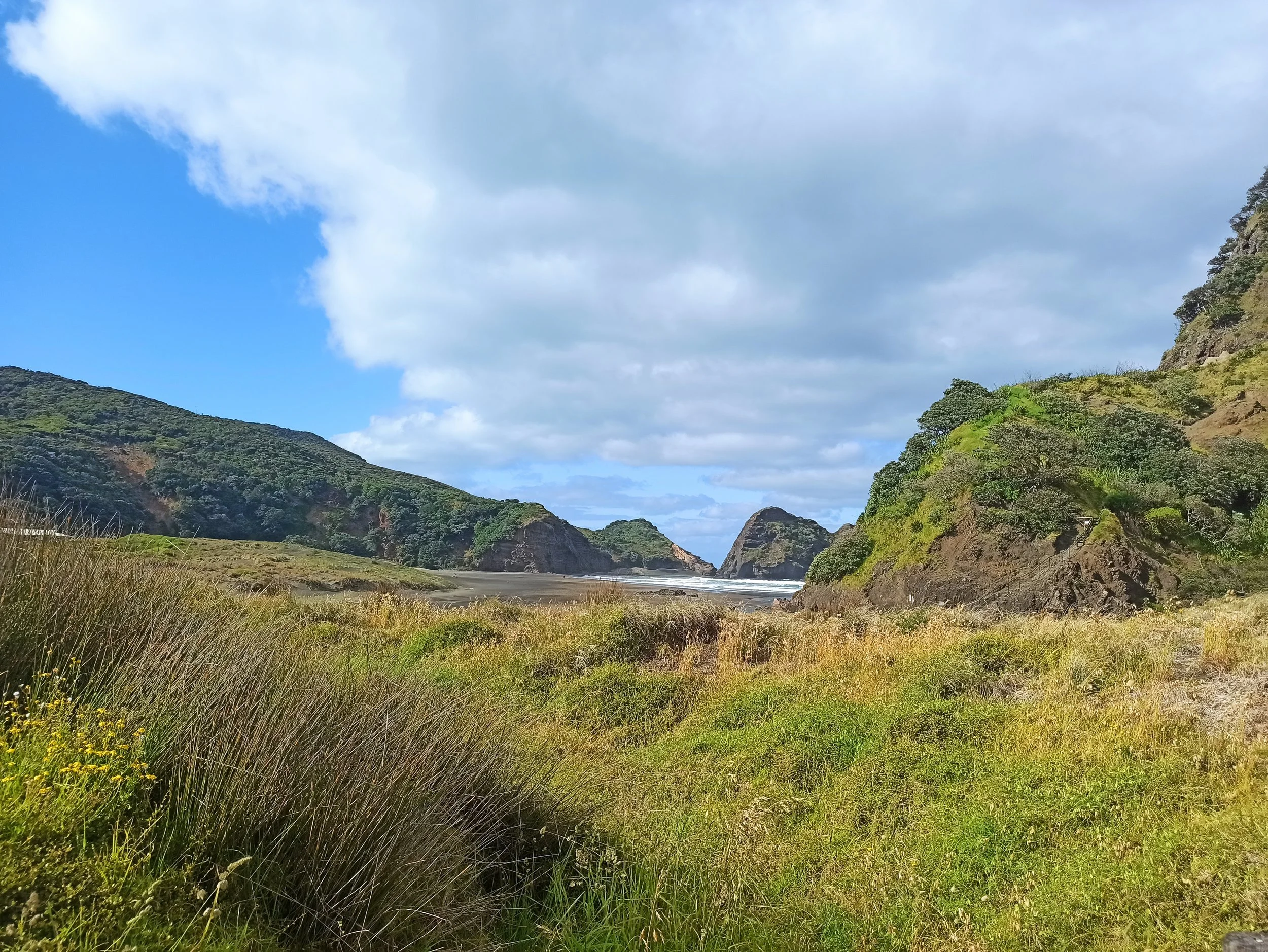
Pest free Piha, Auckland's West Coast
Pest free Piha volunteers are on a mission to provide a safe home for kororā through undertaking pest control, providing supplementary nesting opportunities and undertaking monitoring in association with Auckland Zoo.
-
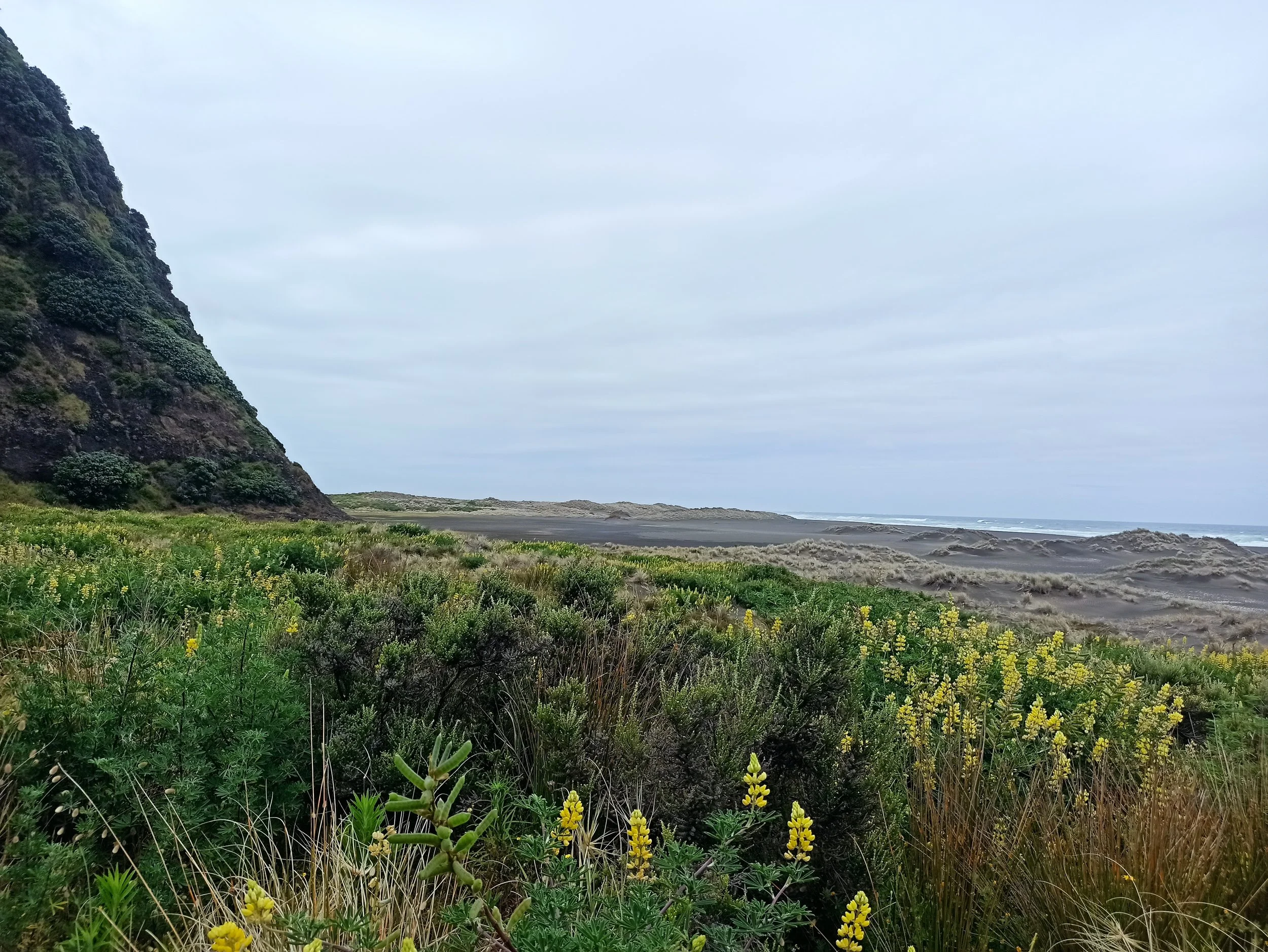
Karekare Landcare, Auckland's West Coast
Karekare Landcare aims to create a safe habitat for kororā by controlling predators and supporting breeding through placement of nest boxes away from landslide-prone areas. The group also educates the public about protecting kororā. With support from NZPI, Auckland Zoo, and Te Kawerau ā Maki, a monitoring programme is underway.
-
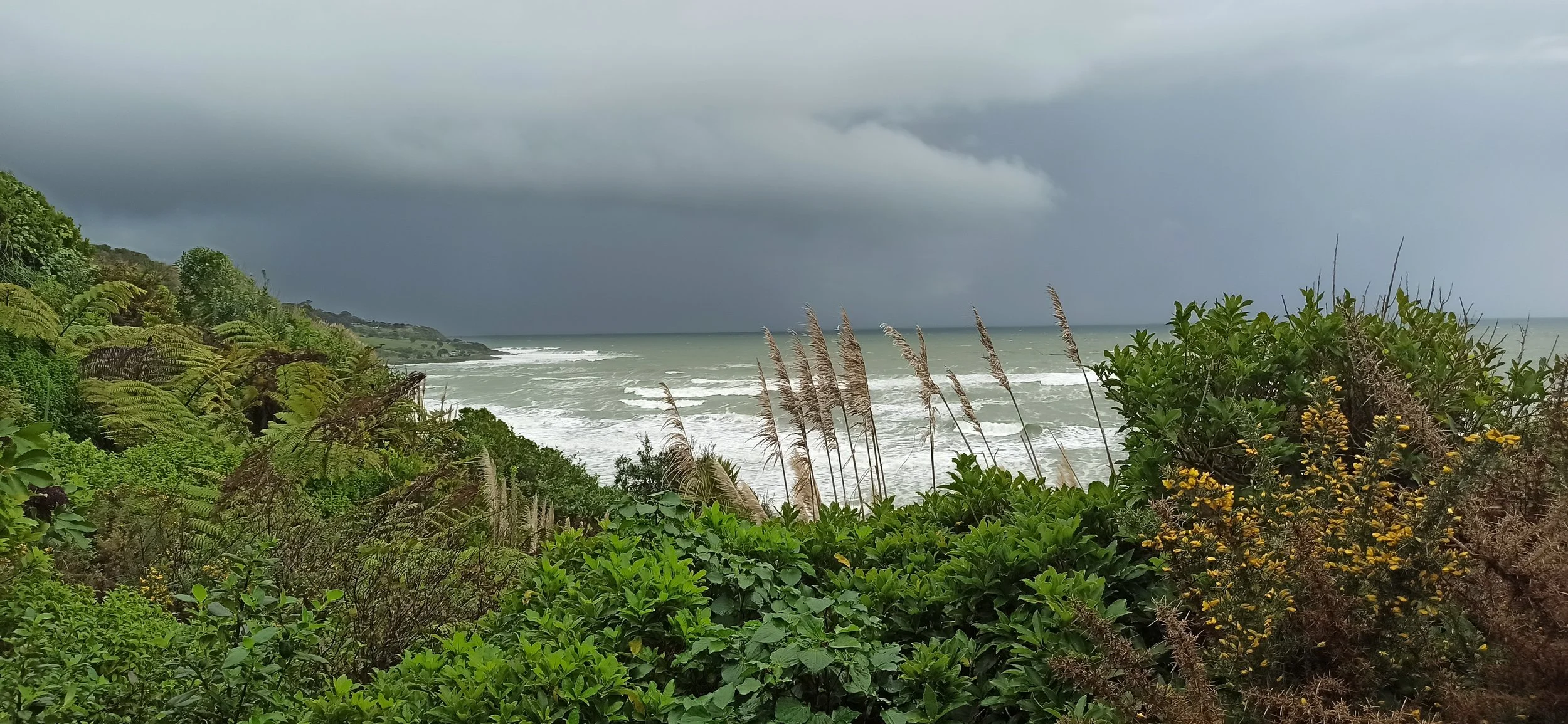
Te Whakaoranga O Karioi (Karioi Project), Waikato
Our focus is on expanding the protection of high-value coastal corridors to support ongoing kororā recovery alongside a growing ōi population, through monitoring, outreach events and volunteer training. The Karioi Project inspires the amazing Raglan community to take a stand for nature and to protect this place we love.
-
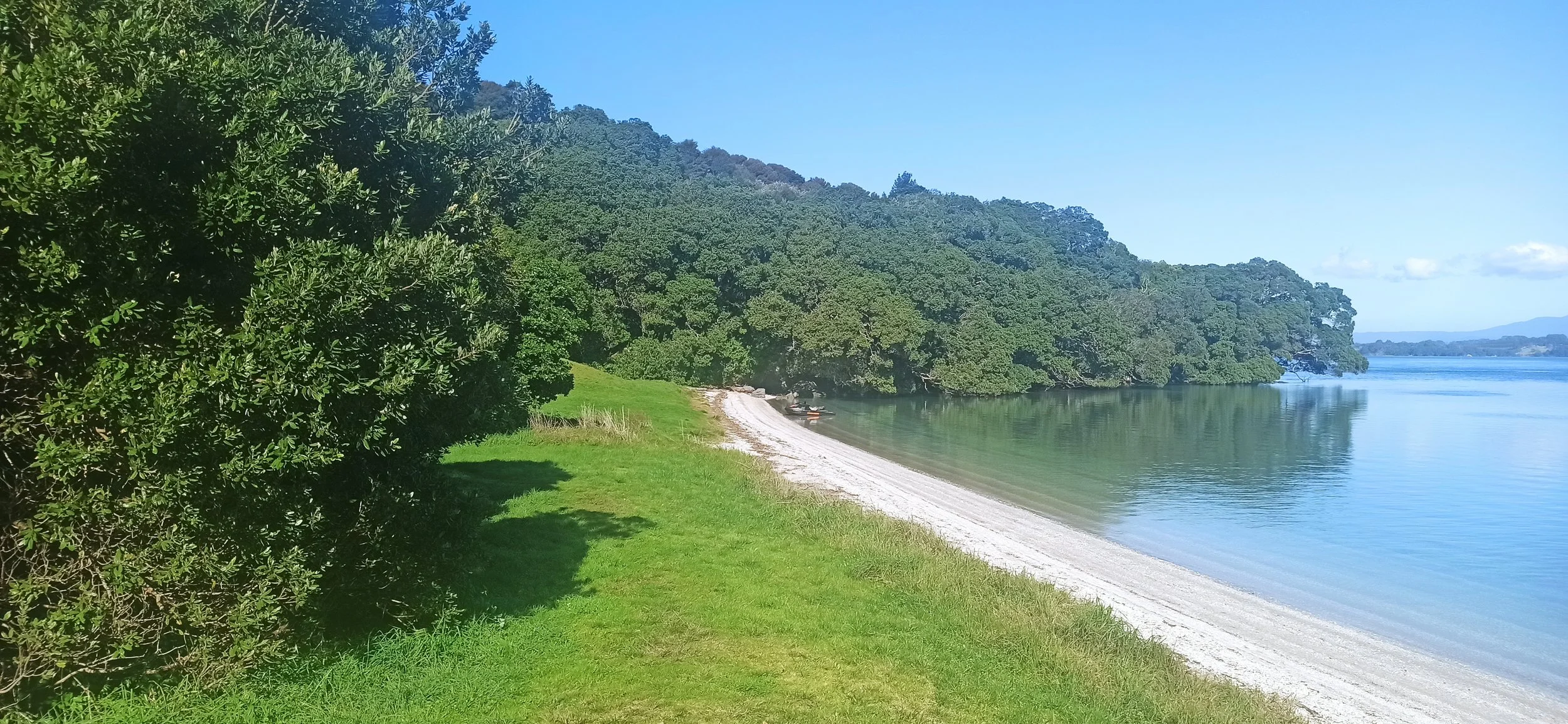
Project WĒTĀ & Predator Free Waihi Beach, Bay of Plenty
Predator Free Waihī Beach and Project WĒTĀ deliver targeted conservation efforts across Waihī Beach, Bowentown and surrounding bays. Our work prioritises vulnerable native species, particularly the kororā/little penguin and northern New Zealand dotterel, while supporting wider ecological recovery across dune, coastal and estuarine habitats.
-
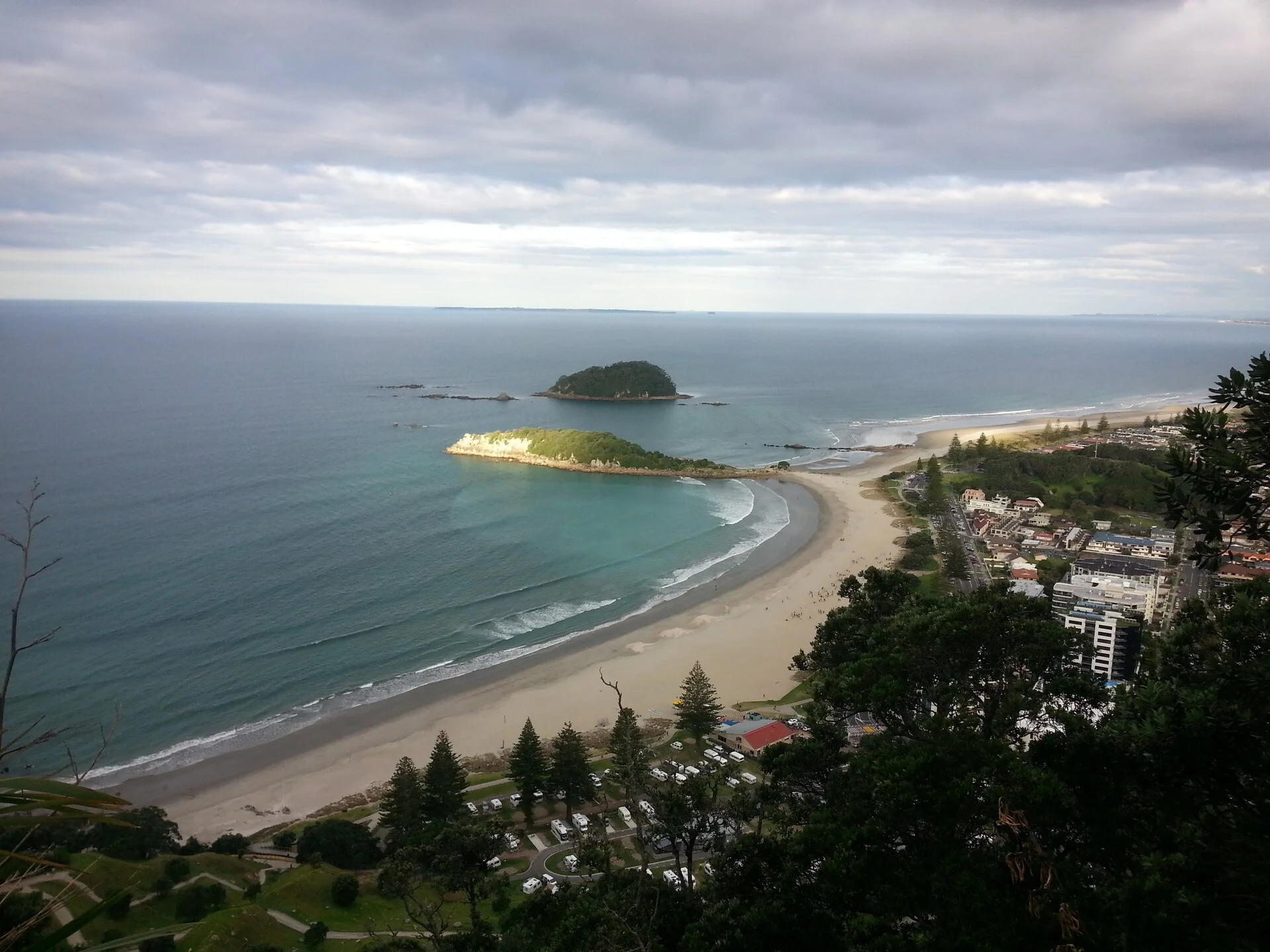
Western Bay Wildlife Trust, Bay of Plenty
Western Bay Wildlife Trust (WBWT) is a seabird and shorebird community conservation trust, with a particular focus on establishing a long-term kororā monitoring research project to understand our local colonies and improve their management on land and at sea.
-
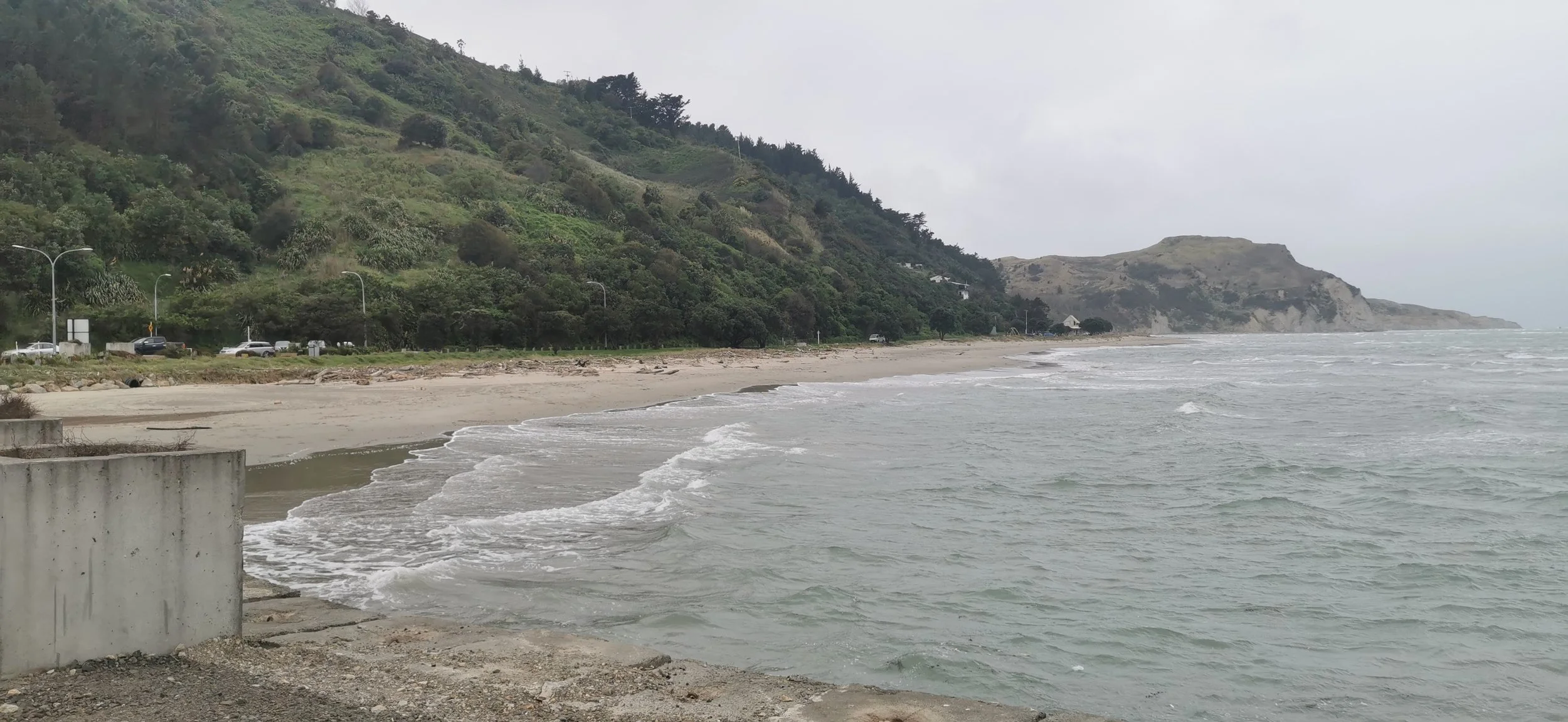
Ecoworks NZ/Eastland Port, Gisborne
Eastland Port’s kororā colony, the Waikahua Enhancement Area, was established along the port’s southern seawall in 2022. The project includes a purpose-built protection fence, provision of nest boxes, planting native coastal vegetation and predator control. Ecoworks maintain the site and monitor the colony regularly.
-
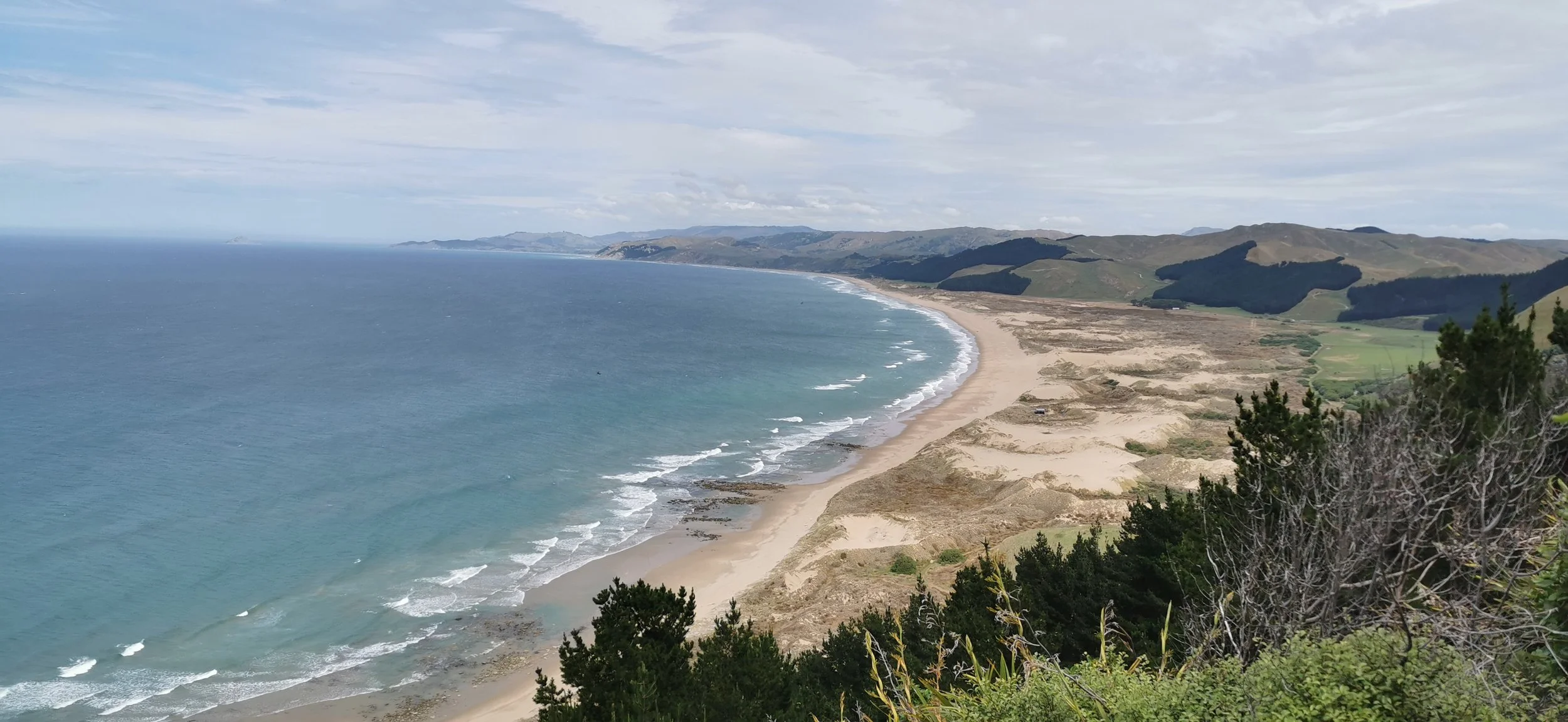
Cape Sanctuary, Hawke's Bay
Cape Sanctuary is New Zealand’s largest privately owned and funded ‘mainland island’ conservation project, running since 2006. Alongside many other native species protected within the 2500ha fenced sanctuary, two kororā colonies are part of the monitoring project.
-
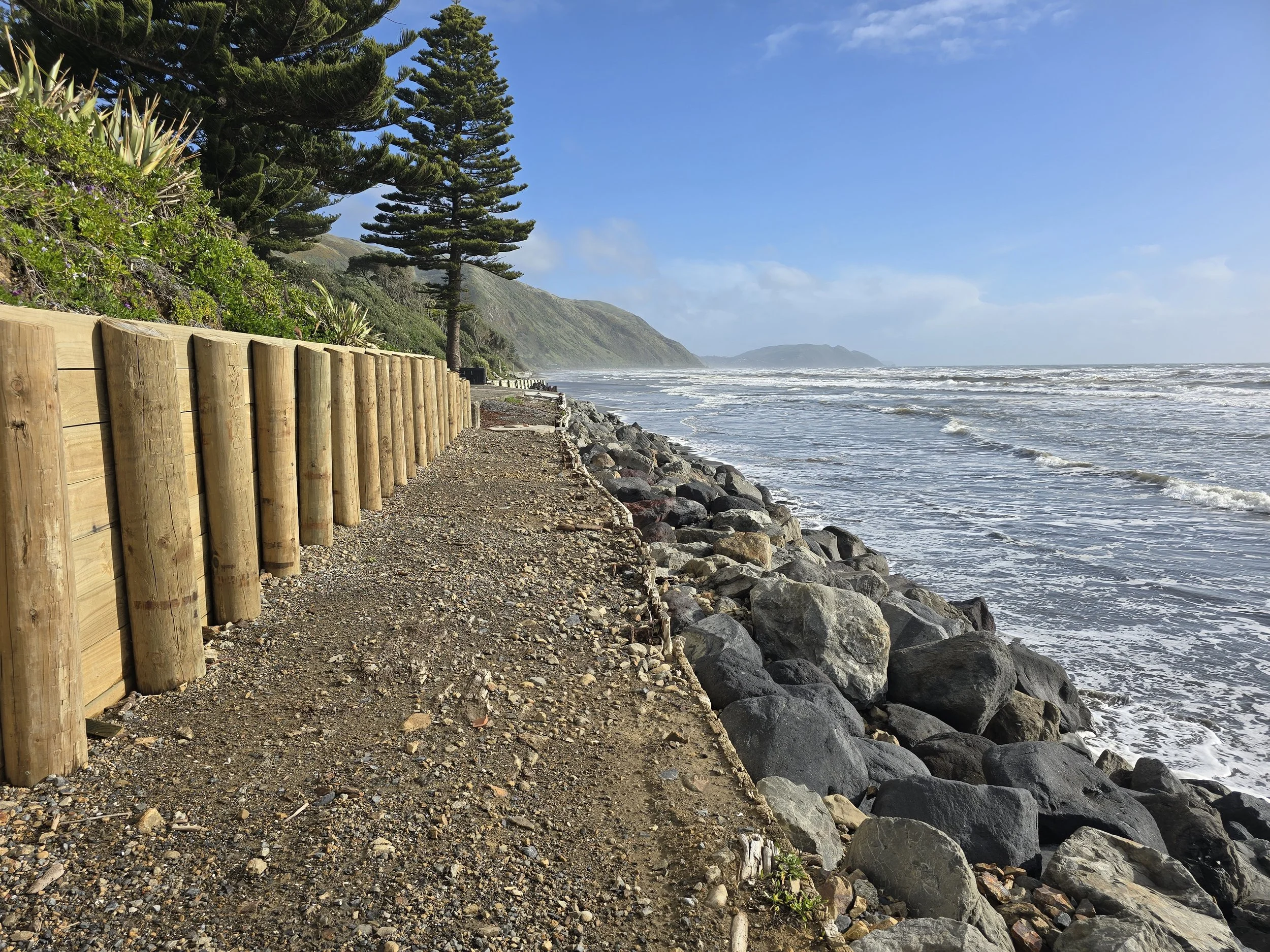
Kapiti Coast Biodiversity Projects-Kapiti Kororā Project, Wellington
The aim of the Kāpiti Biodiversity Project is to improve native biodiversity throughout the Kāpiti Coast on land and sea. The Kororā Project started in 2015, to identify, monitor and protect populations along the Kapiti Coast beaches.
-
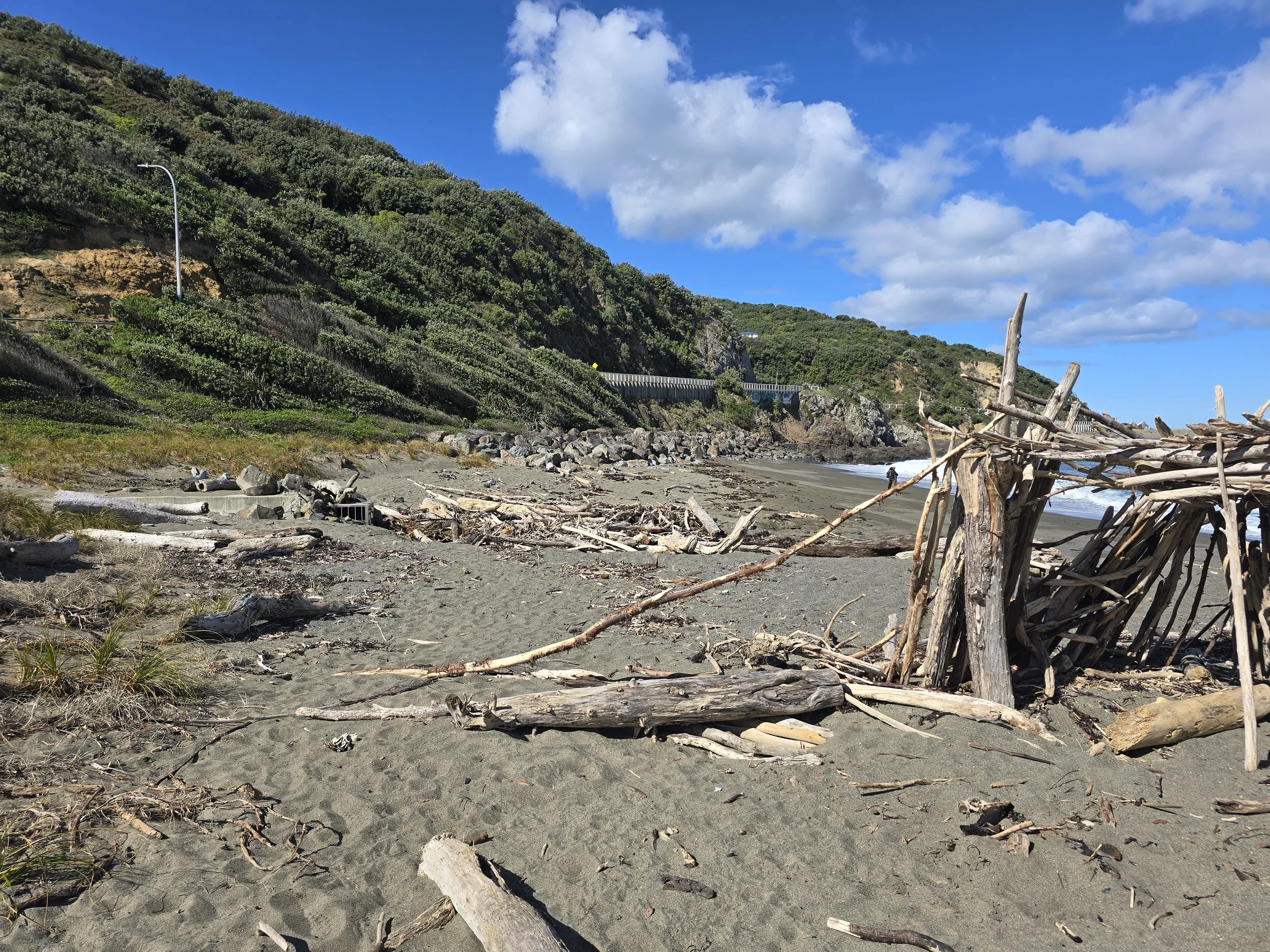
Forest and Bird- Places for Penguins, Wellington
Places for Penguins has been dedicated to creating a safer coast for kororā around Te Whanganui-a-Tara/Wellington since 2013. Our monitoring is widespread, covering over 20 kms of coastline working with iwi, council, DOC and locals to educate and advocate for penguin safety which is the key to success.
-
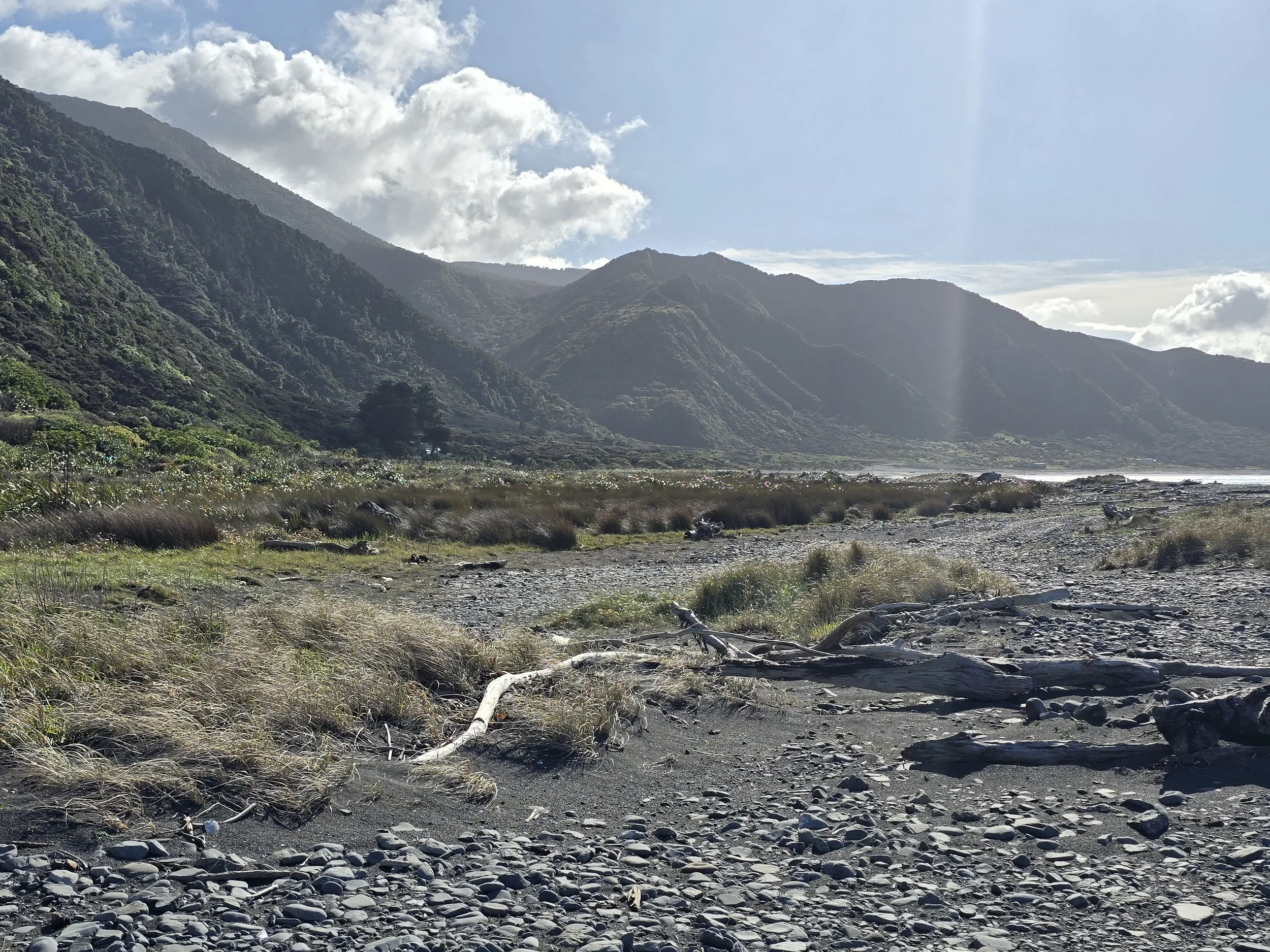
Aorangi Environmental, Wellington
Local volunteers searching for remnant kororā colonies along the Palliser Bay coastline and implementing habitat restoration efforts.
South Island | Te Wai Pounamu
-
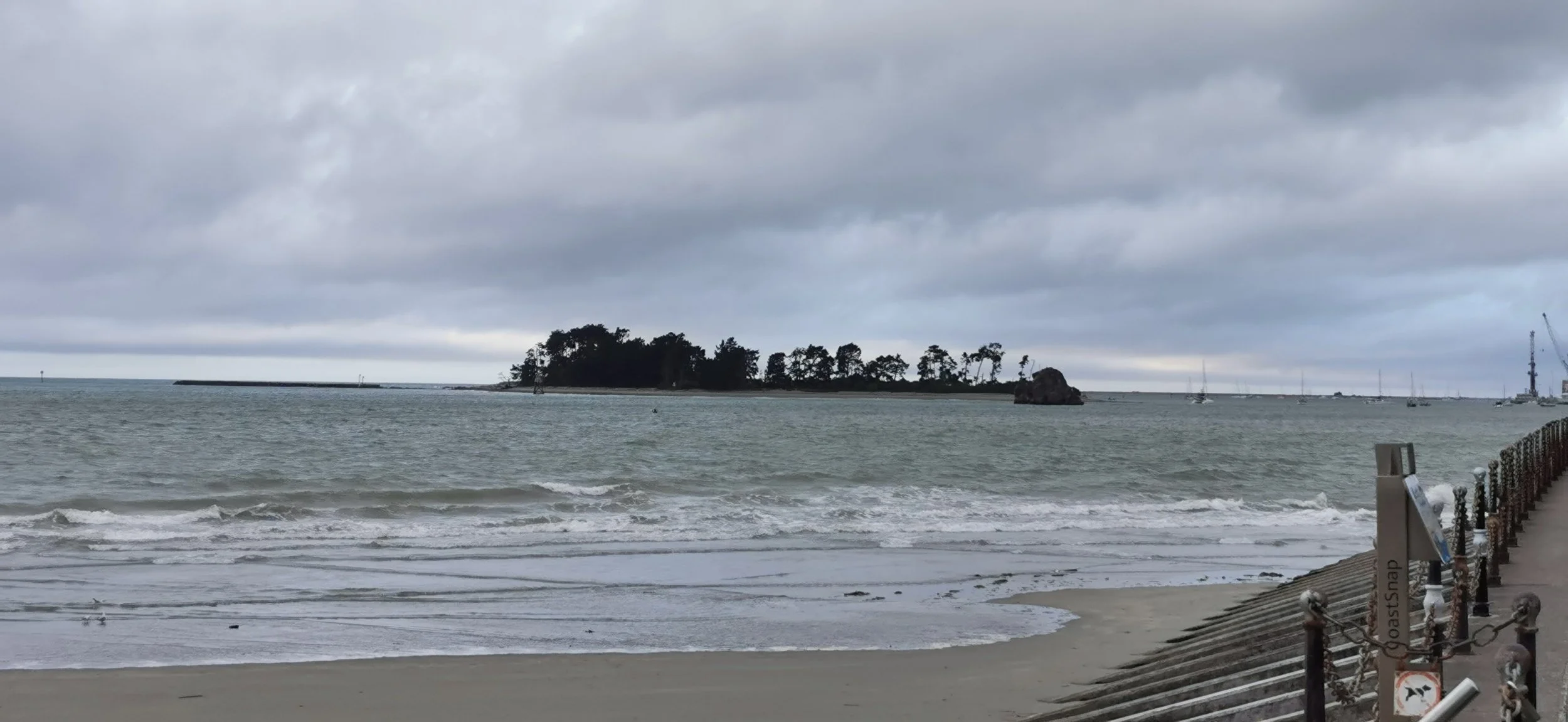
Friends of Motu Manuka Haulashore Island, Nelson
This collective effort to restore biodiversity on Haulashore Island through predator trapping has benefited many species including a thriving penguin colony.
-
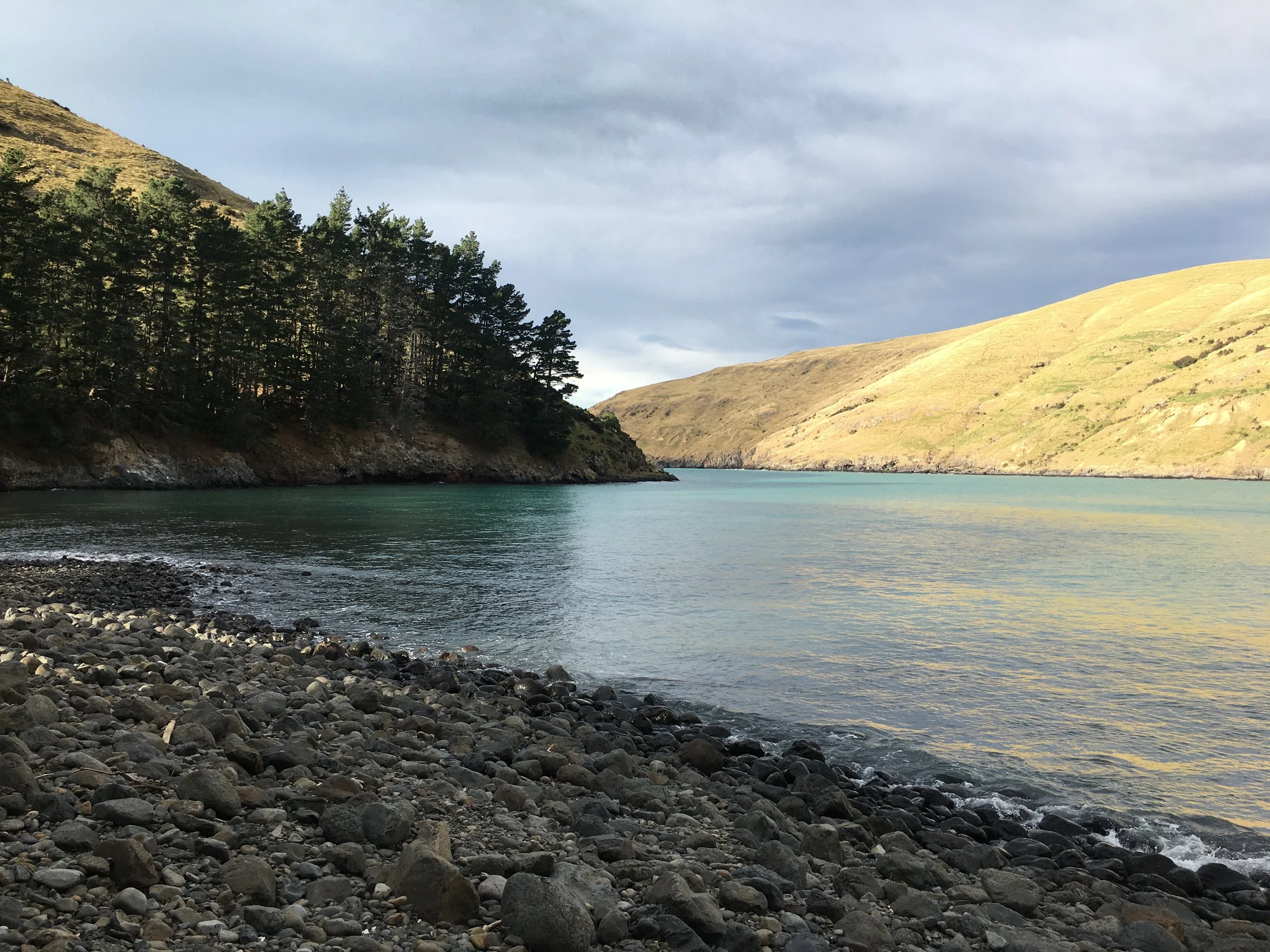
Helps Pōhatu Conservation Trust, Canterbury
This long-term conservation programme focuses on monitoring, researching and protecting the kororā/little penguin colony on Bank Peninsula.
-
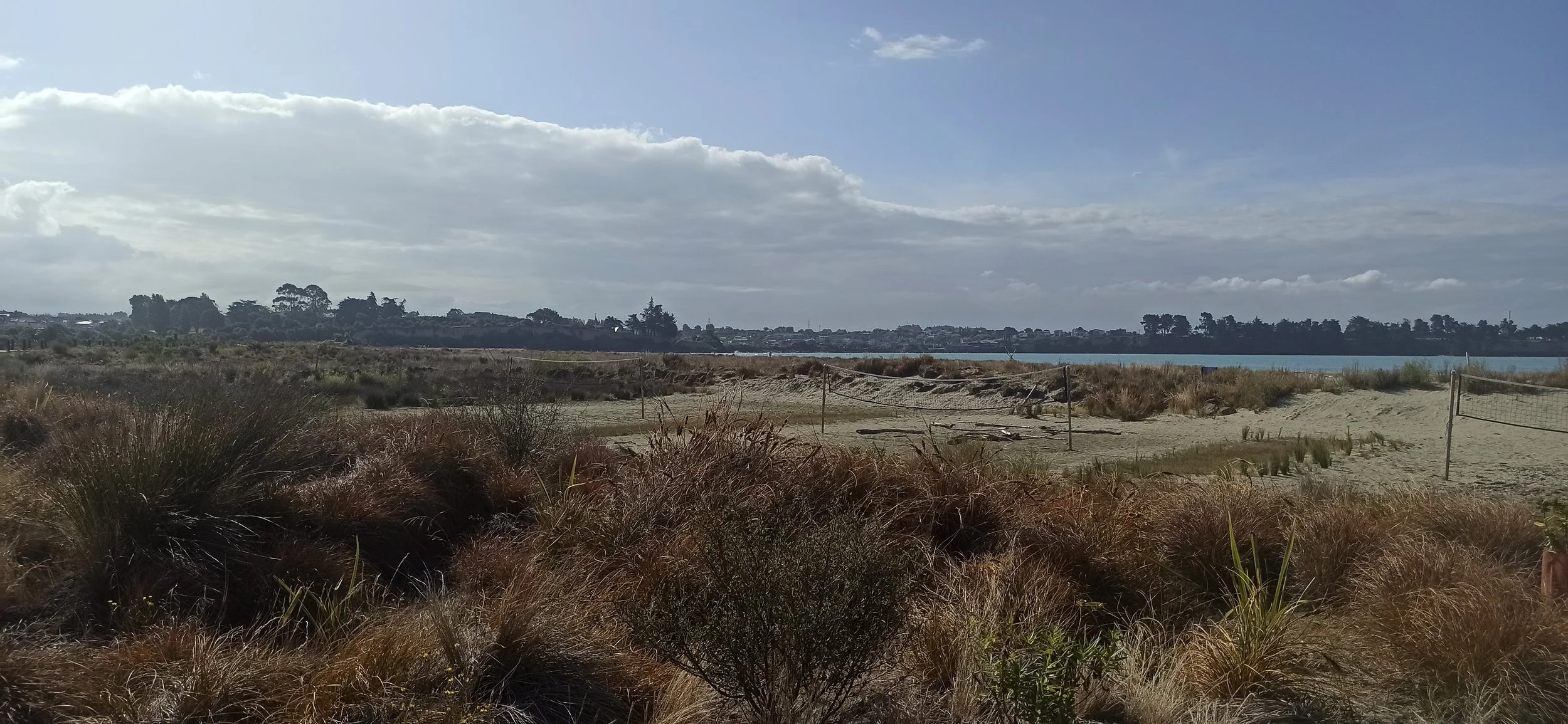
Penguins First Timaru, Canterbury
The wellbeing and protection of the kororā/little penguins at Caroline Bay, and other areas around the Timaru Coast is ensured to educate the public viewing the penguins from Marine Parade
-
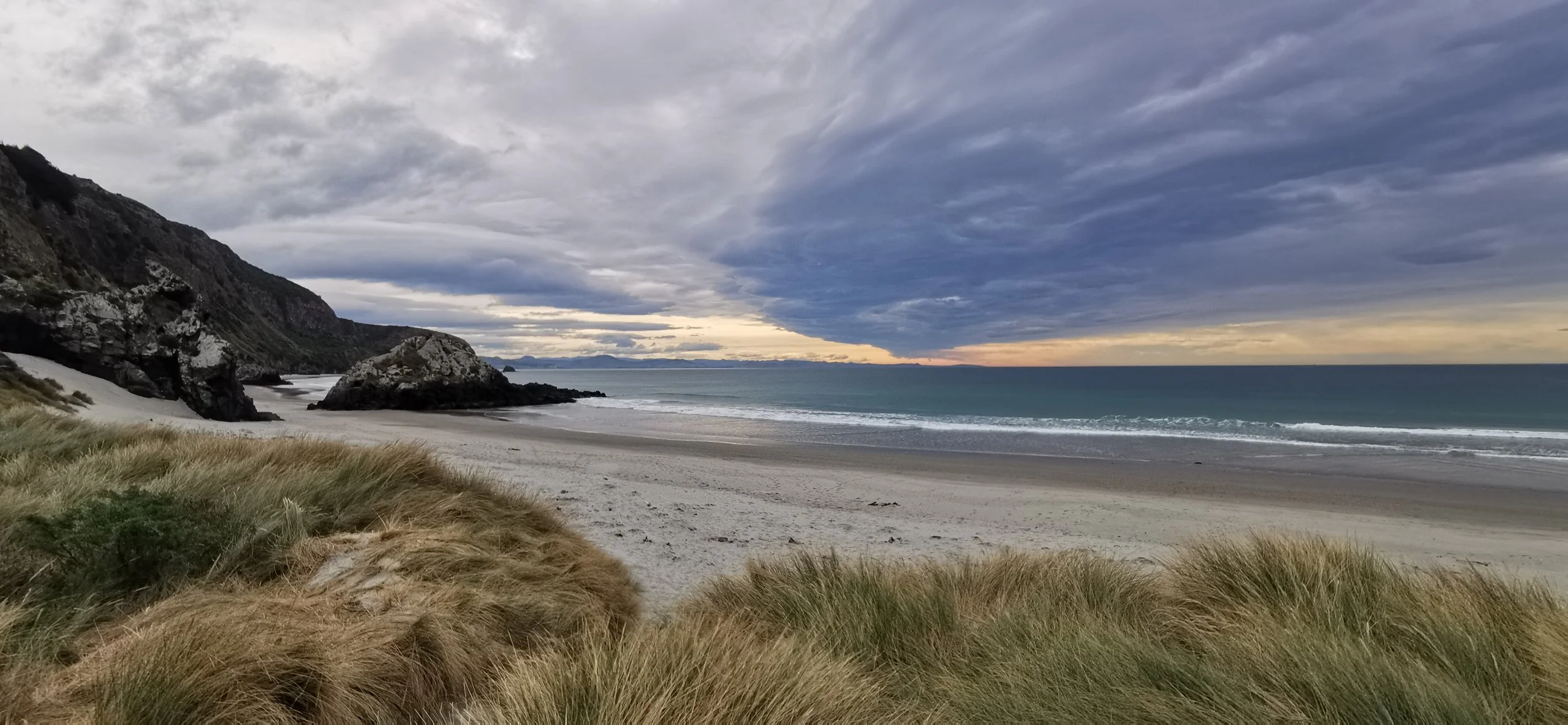
Friends of Aramoana Kororā, Otago
This surprisingly large kororā colony is visited weekly to establish the size of this population and breeding success by passive monitoring to determine trends over time.
-
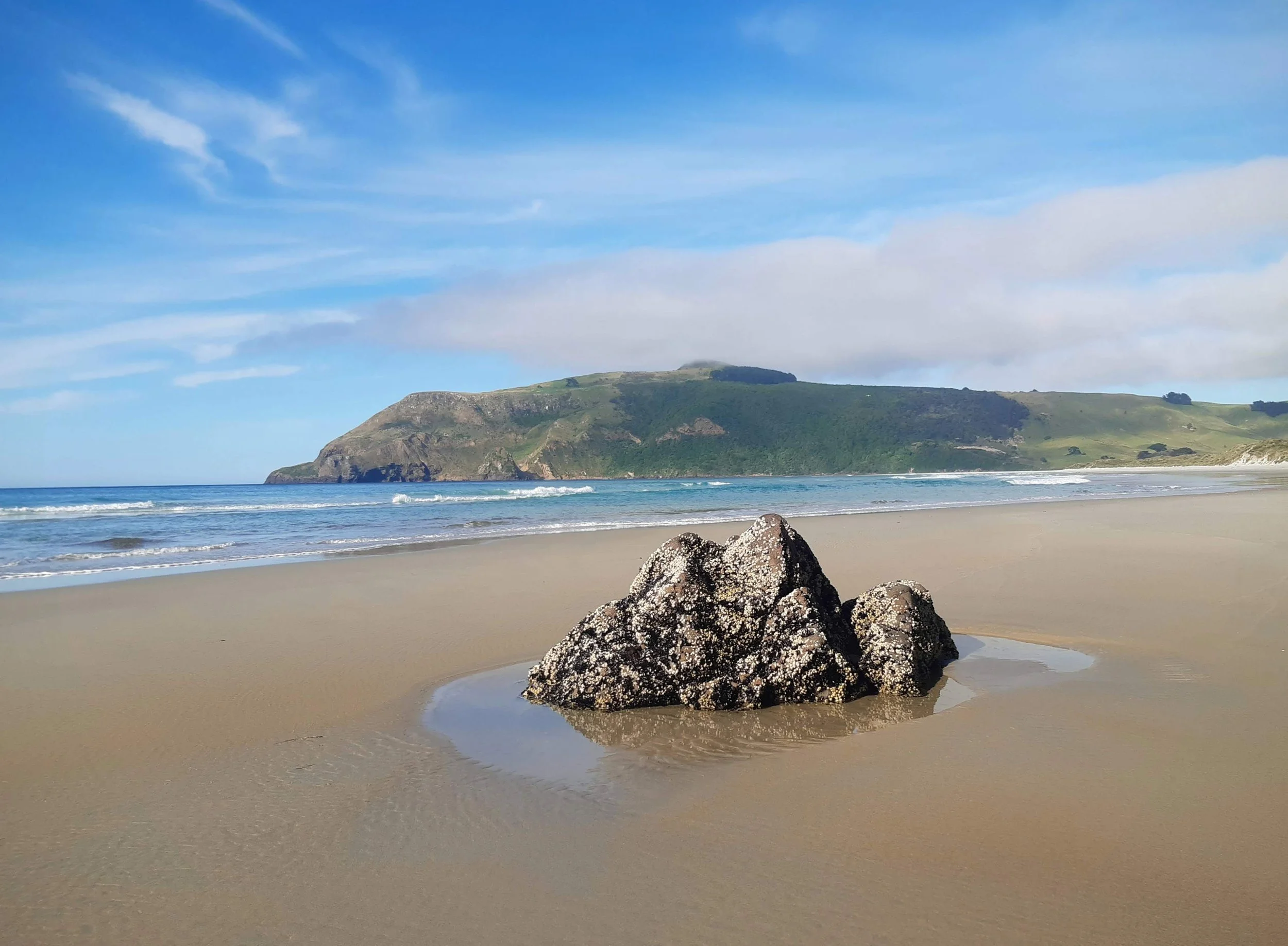
Allans Beach, Otago
A small kororā colony on the Otago Peninsula that is monitored weekly to understand breeding success, survival, recruitment and nest and mate fidelity.






Community Gallery

Places for Penguins volunteers entering monitoring data
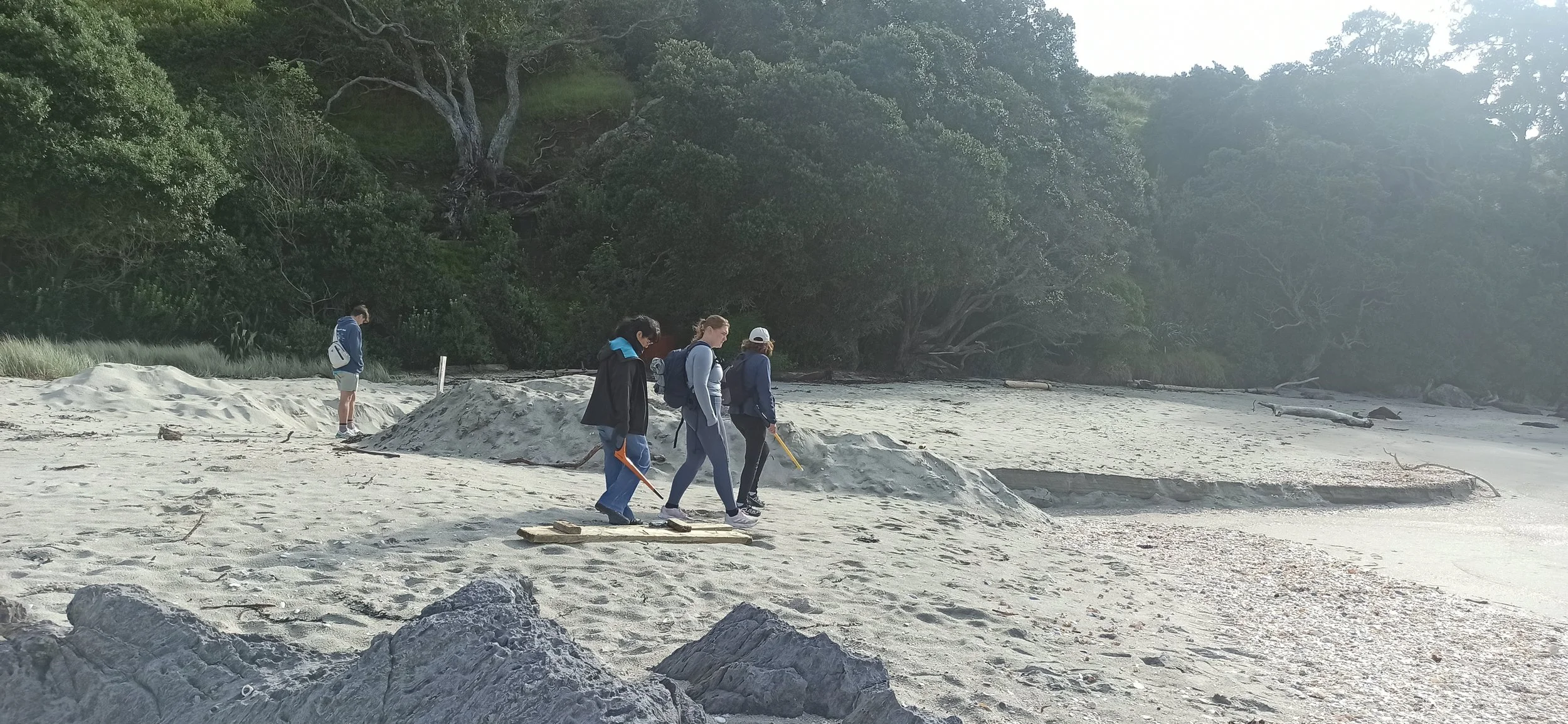
Western Bay Wildlife Trust team searching the beach for footprints
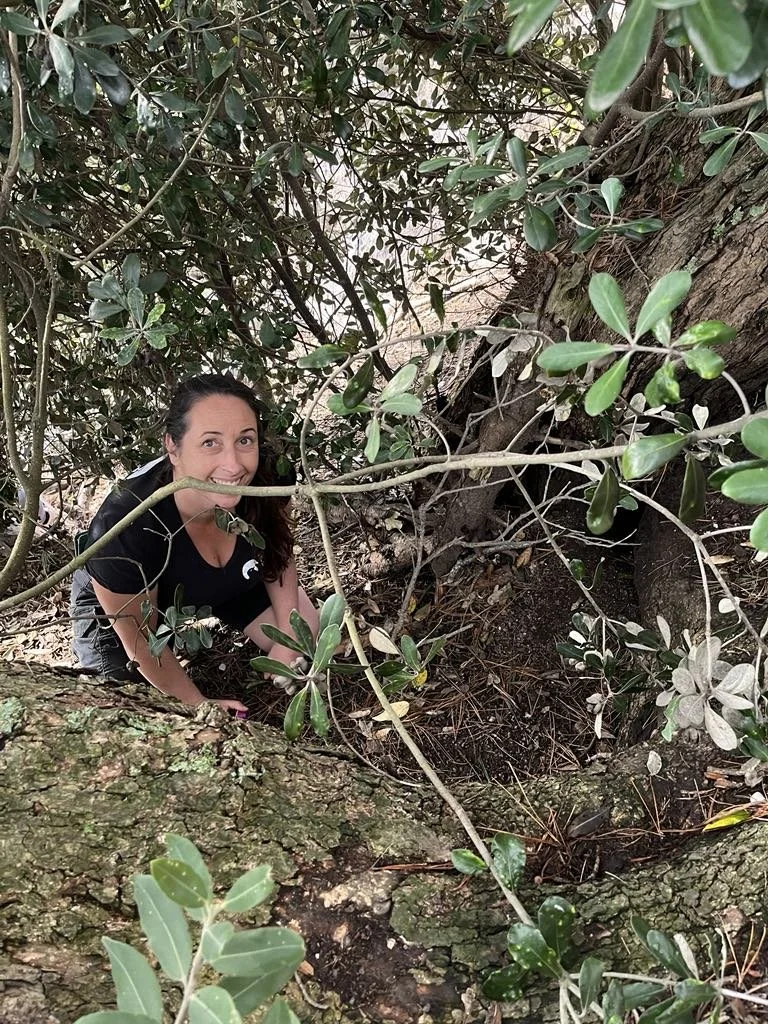
Community Programme Manager Melissa checking a burrow
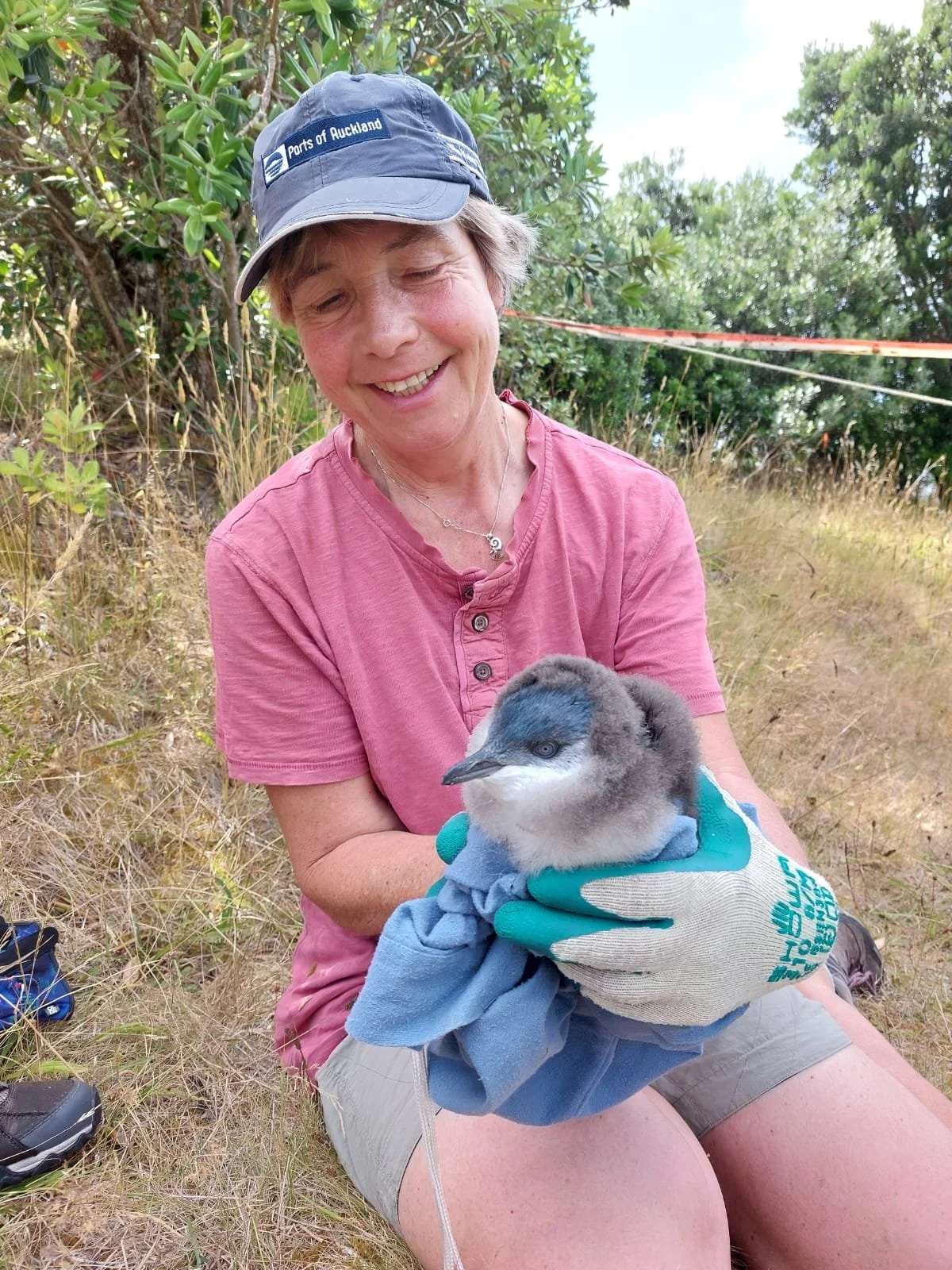
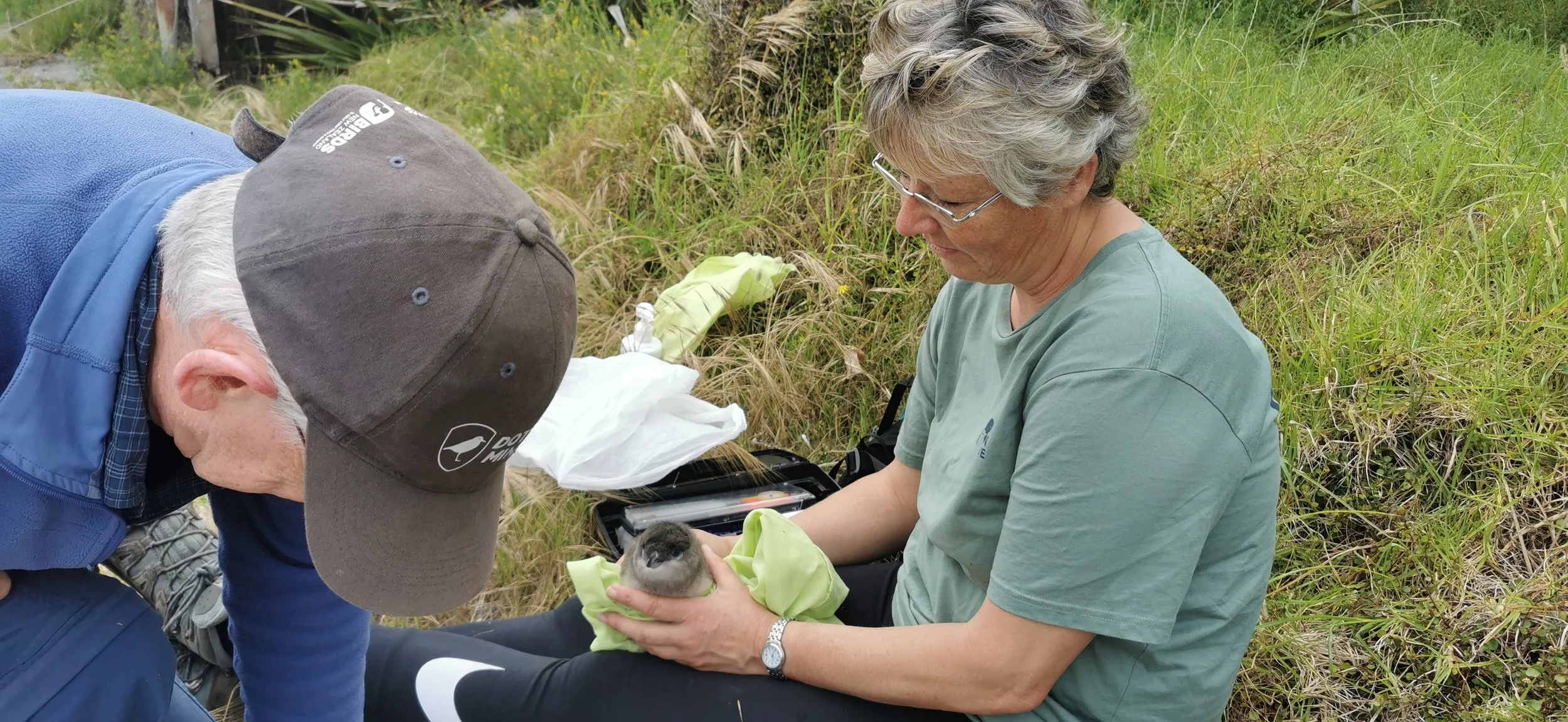
Motuora Restoration Society volunteer Karin holding a chick for measuring and marking. Image Credit: John Stewart

Anna from Western Bay Wildlife Trust (WBWT) with Christine and See during a kororā conservation dog survey. Image Credit: Callum Armstrong
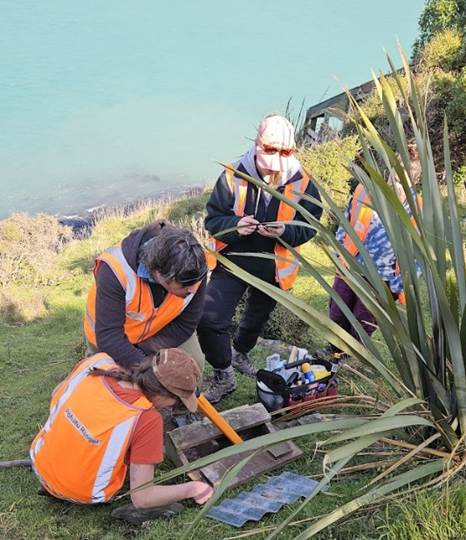
Helps Pōhatu Conservation Trust monitoring a nest box- Left to right: Kaitlin Bowe, Benoit Navarron, Georgia Gwatkin, Ali Ballard
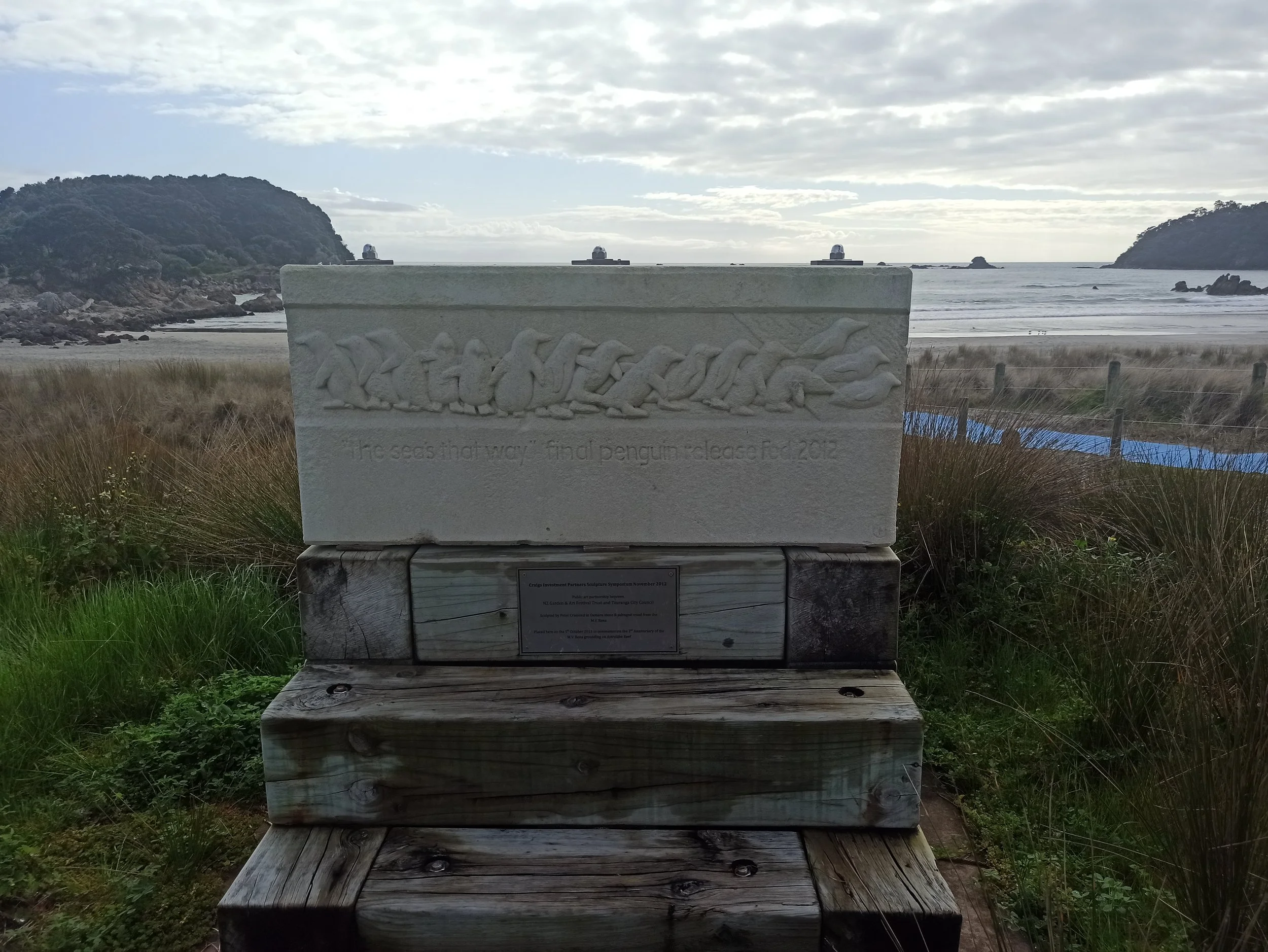
2011 RENA Oil Spill Sculpture, Mount Maunganui
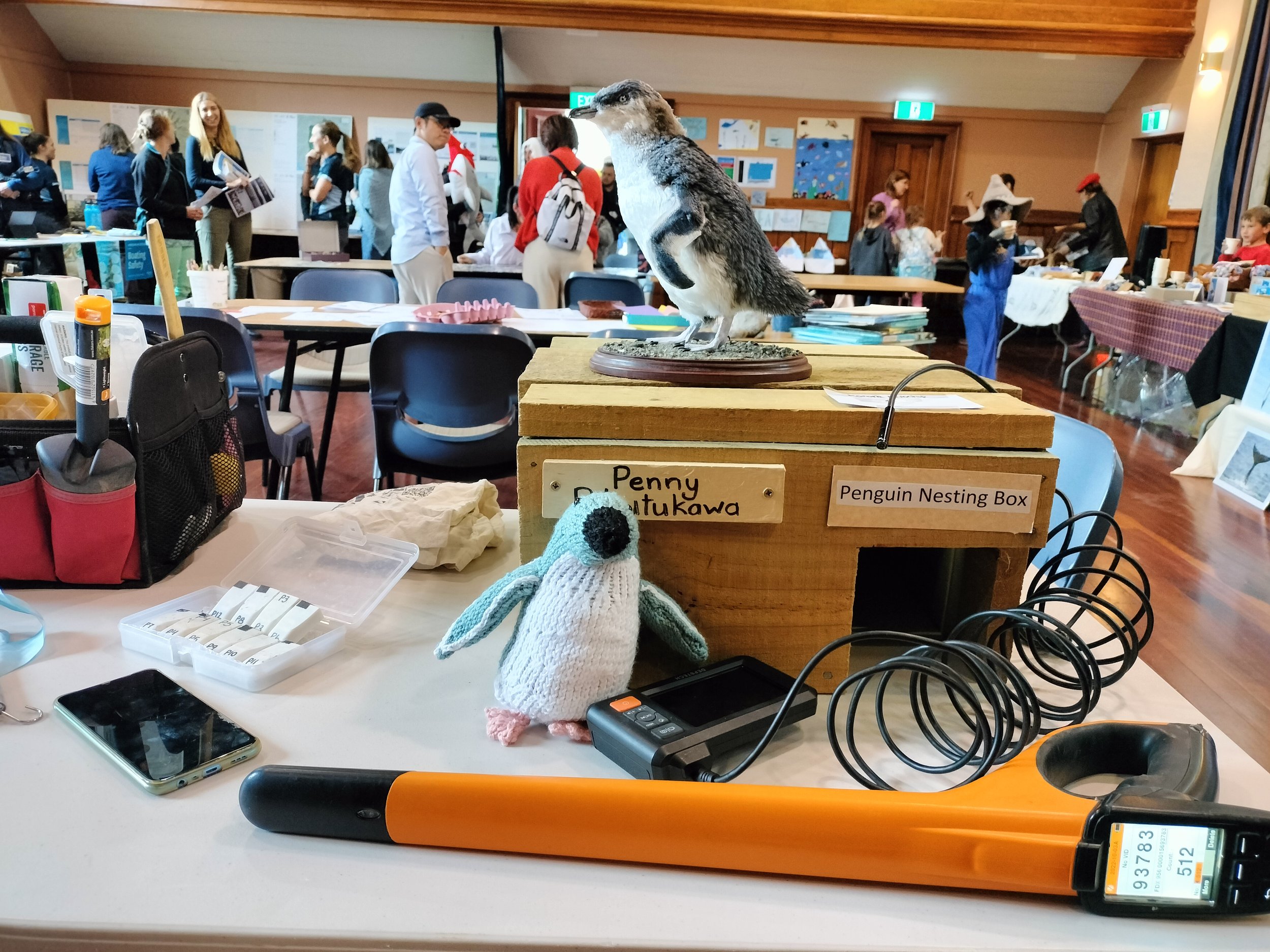
Helps Pōhatu Conservation Trust Seaweek Expo to spread the word about our marine environment
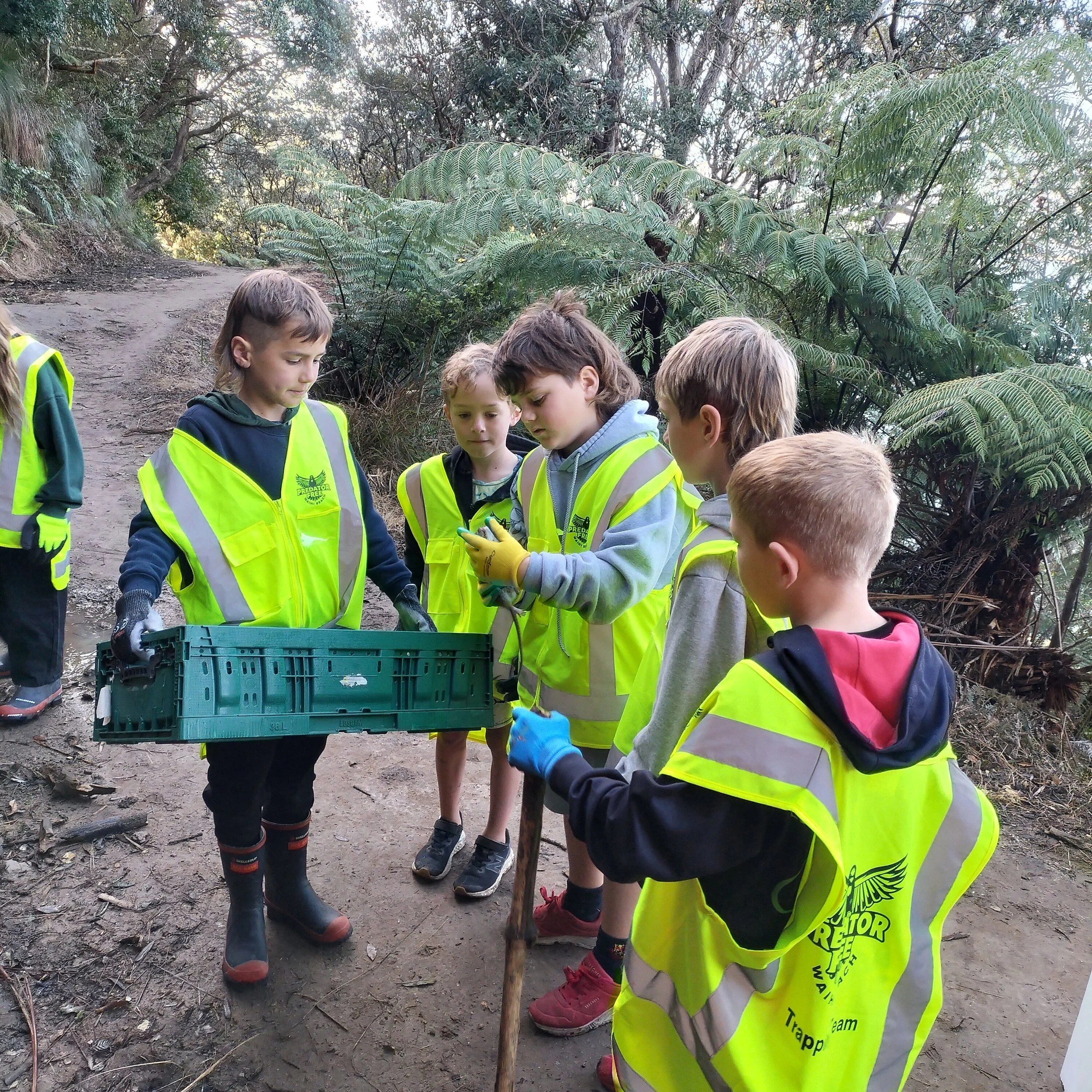
Predator Free Waihi Beach team at work
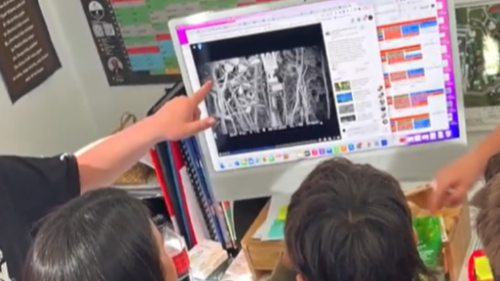
Predator Free Waihi Beach reviewing trail cam footage
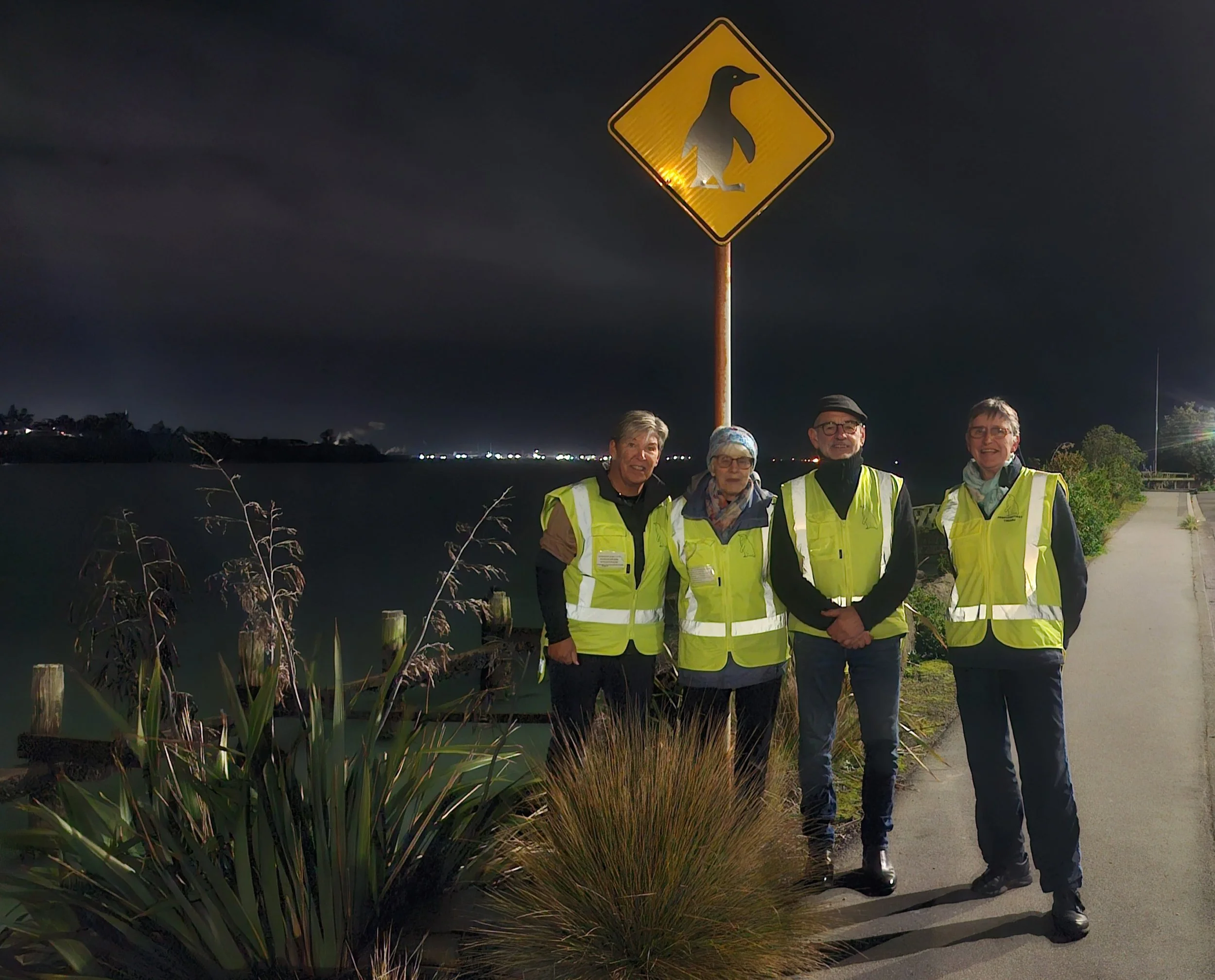
Penguins First Timaru night patrol volunteers ready to educate public and help keep penguins safe from disturbance
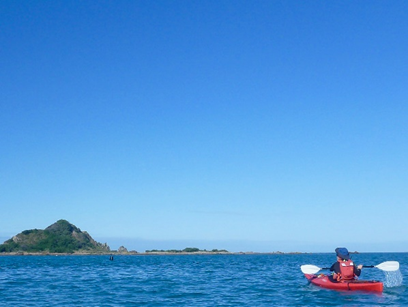
Places for Penguins volunteer kayaks to Taputeranga Island
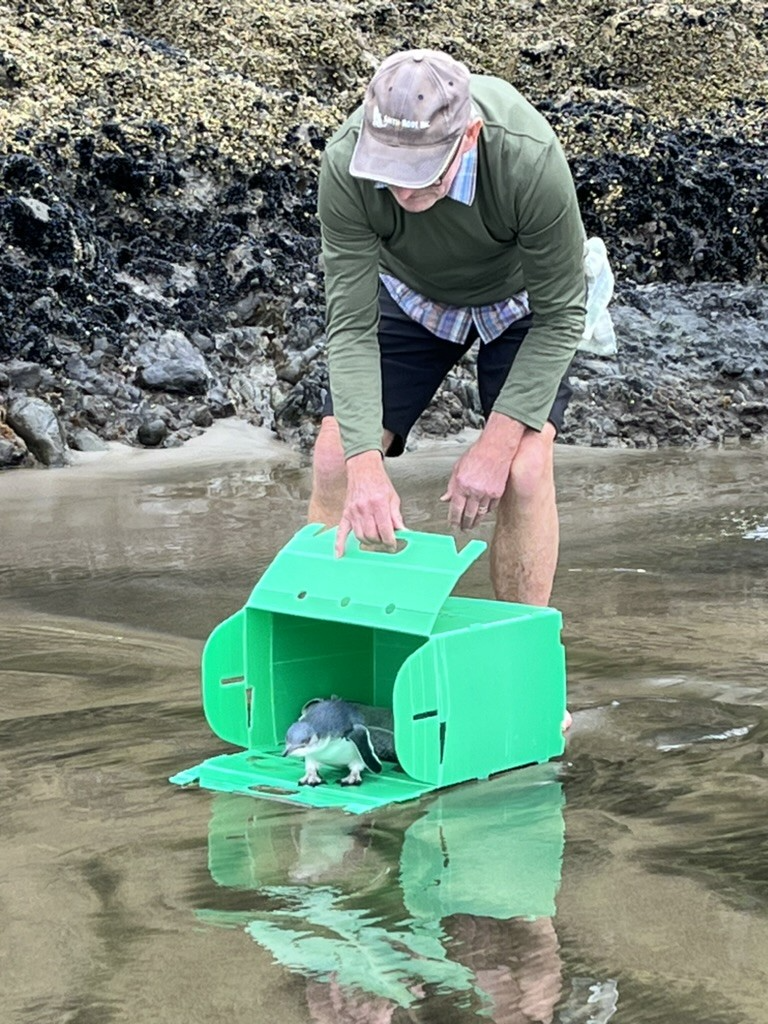
Pest free Piha volunteer releasing a kororā after rehabilitation at Native Bird Rescue, Waiheke. Image Credit: Dudley Bell
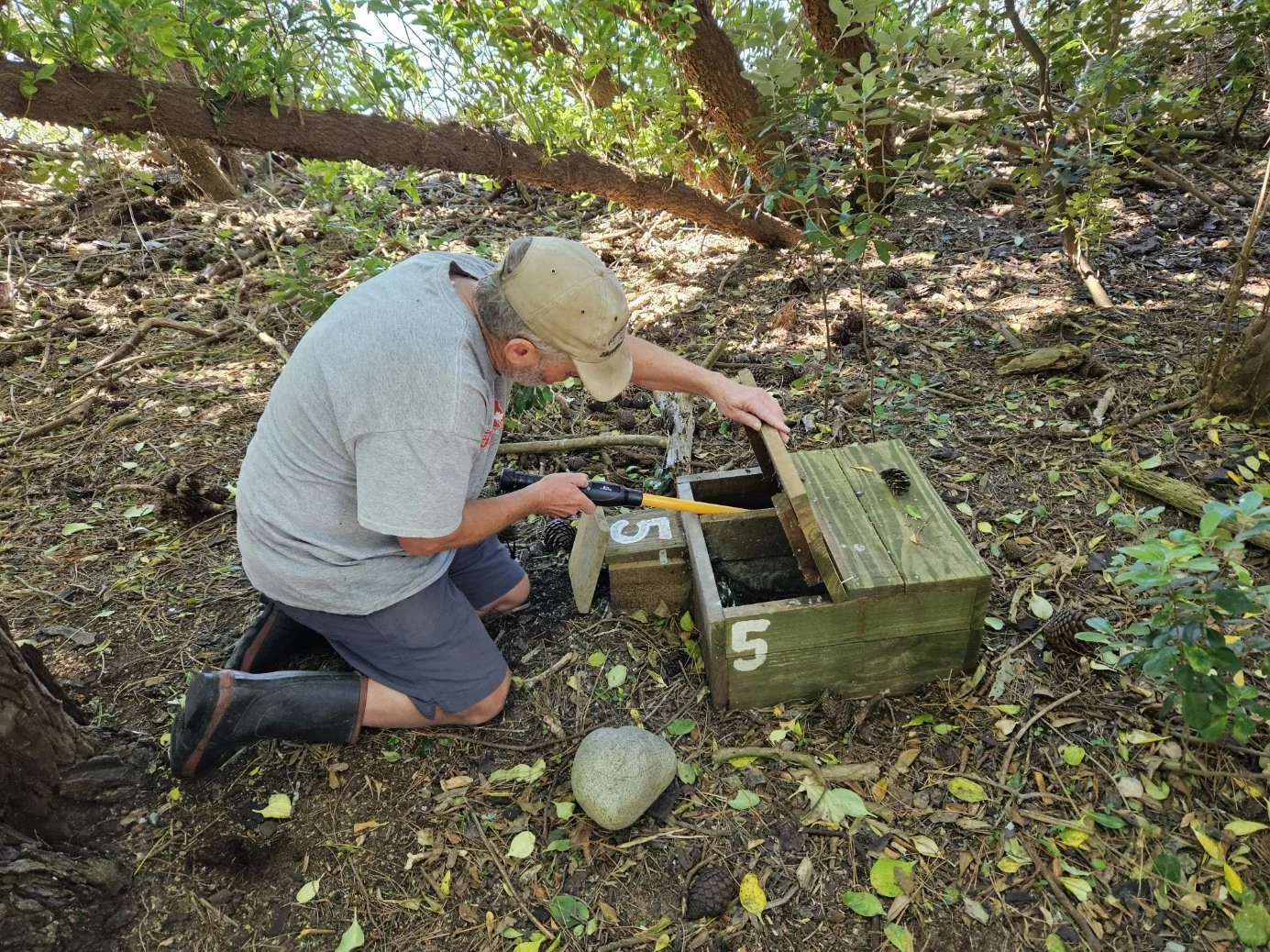
Friends of Haulashore Island volunteer scanning a nest box bird to read its PIT-Tag/Microchip ID
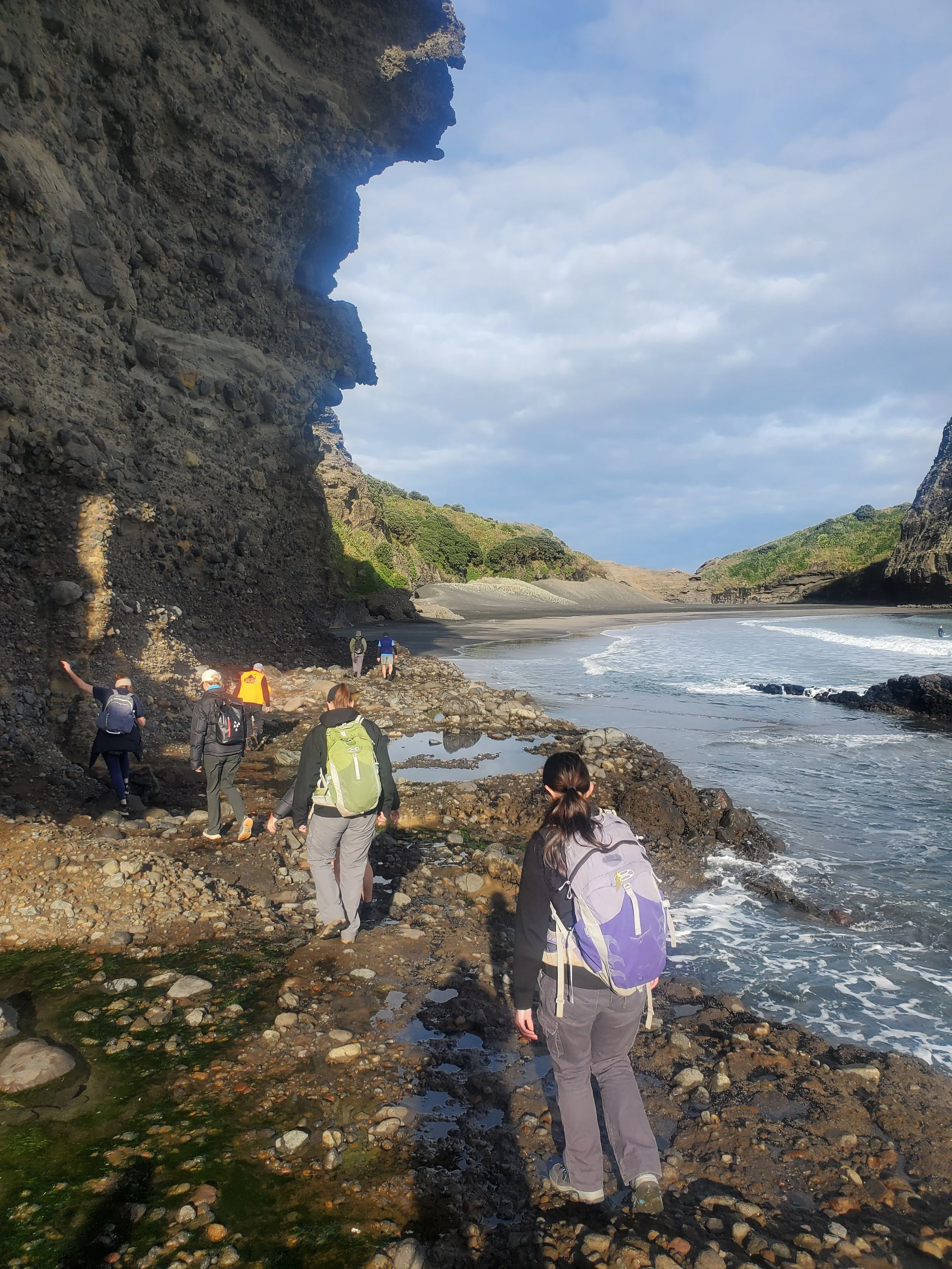
Auckland Zoo crew exploring habitat along the West Coast. Image Credit: Zoo kororā monitoring team
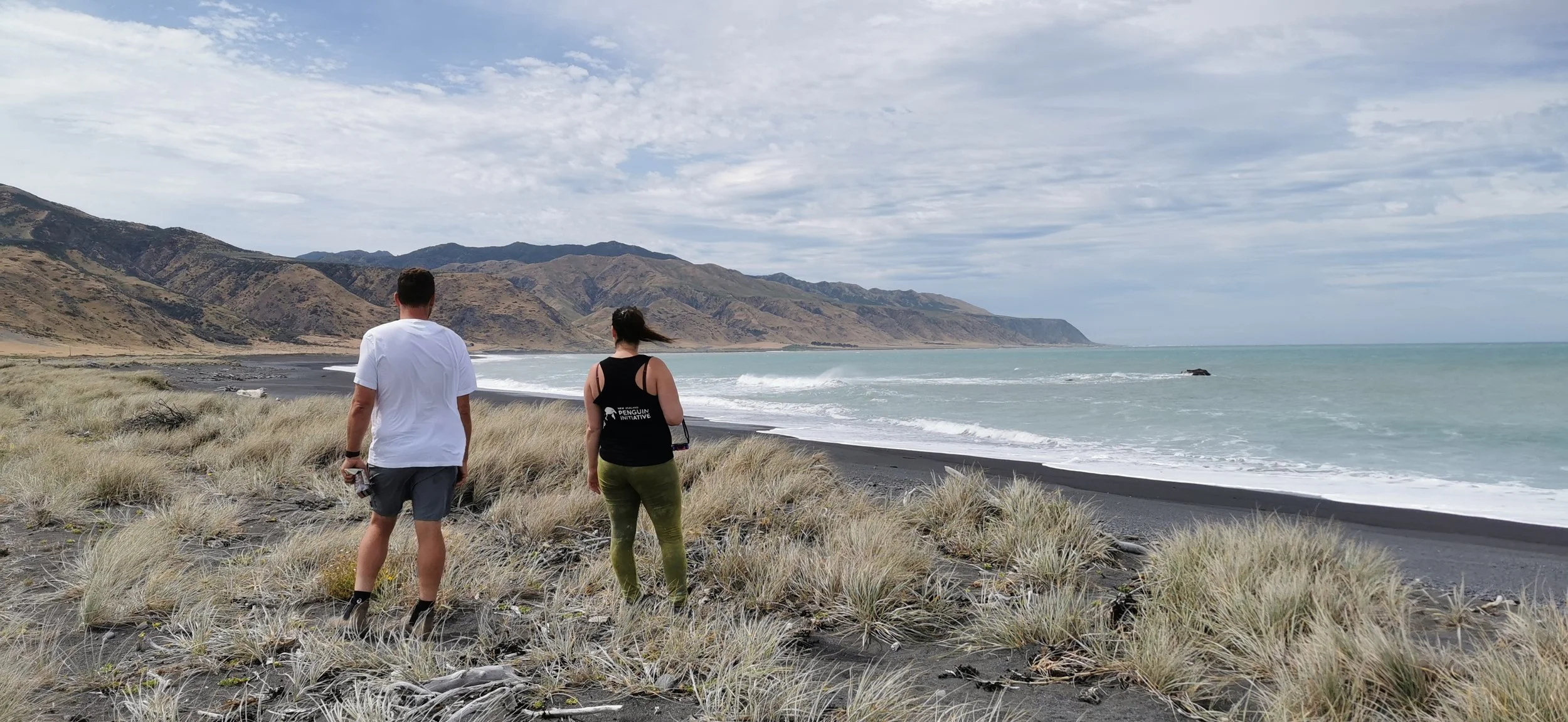
Community Programme Manager visits Aorangi Environmental at Cape Palliser
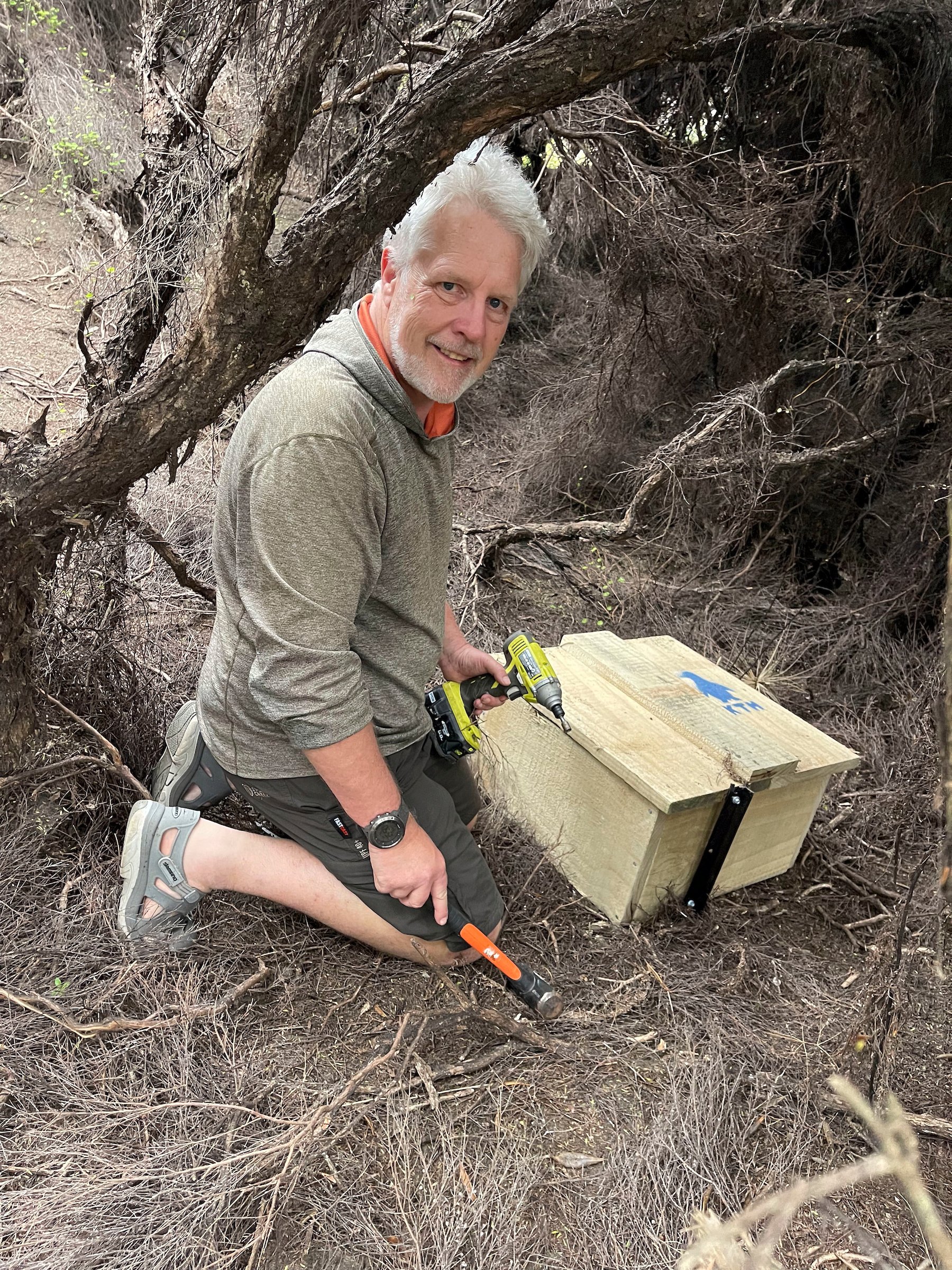
Kororā Te Henga volunteer Simon installing a nest box
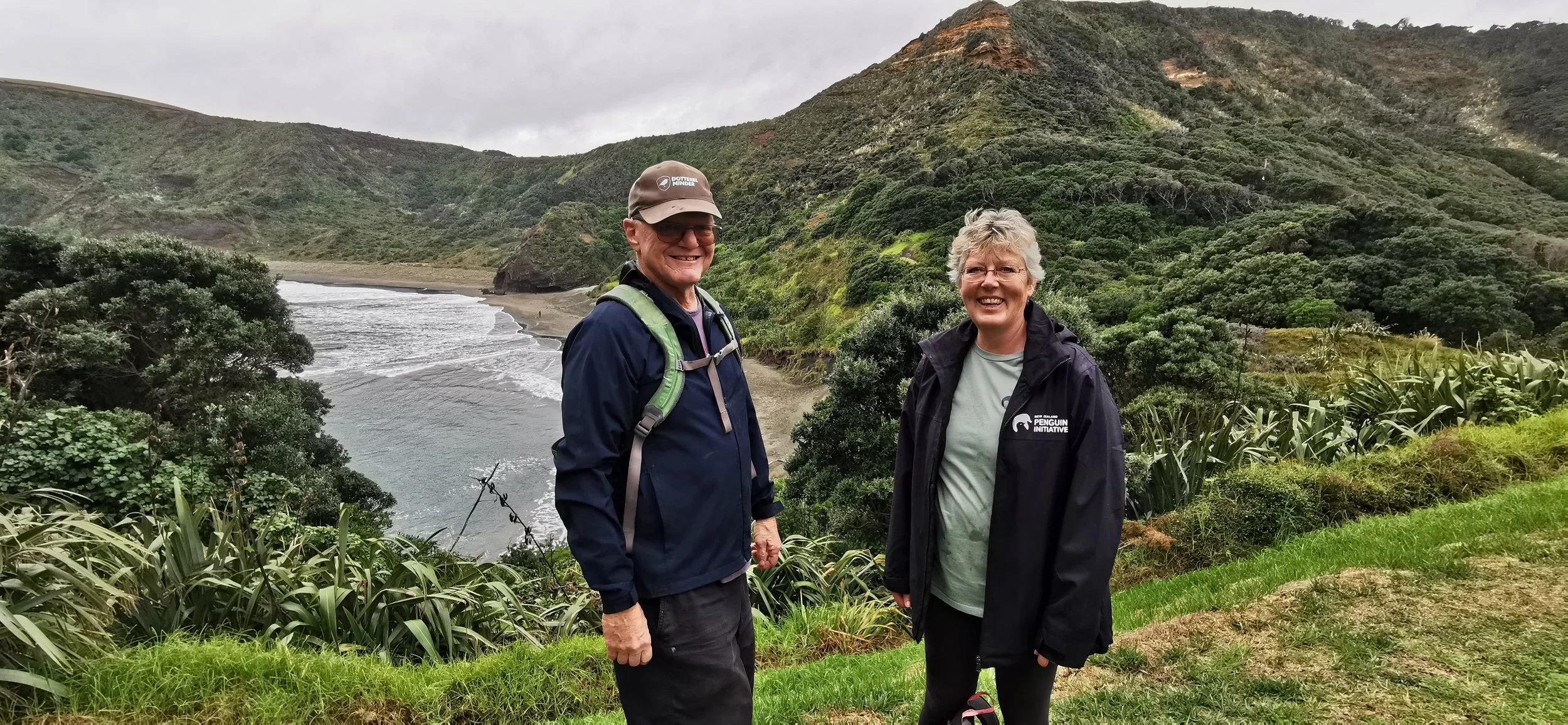
Programme Director Hiltrun visits Kororā Te Henga. Image Credit: Simon Runting
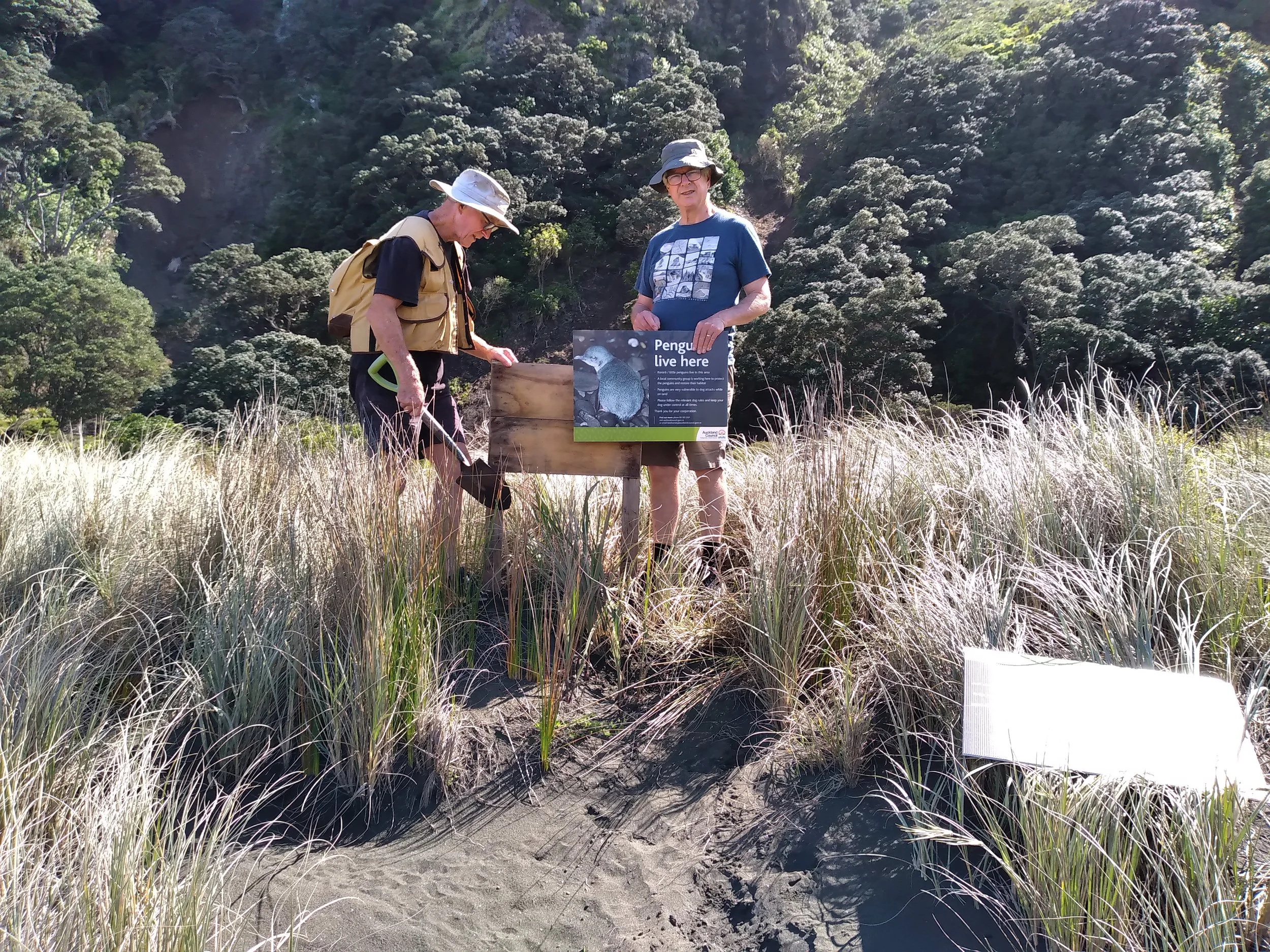
Karekare Landcare volunteers installing a penguin sign at Karekare Beach
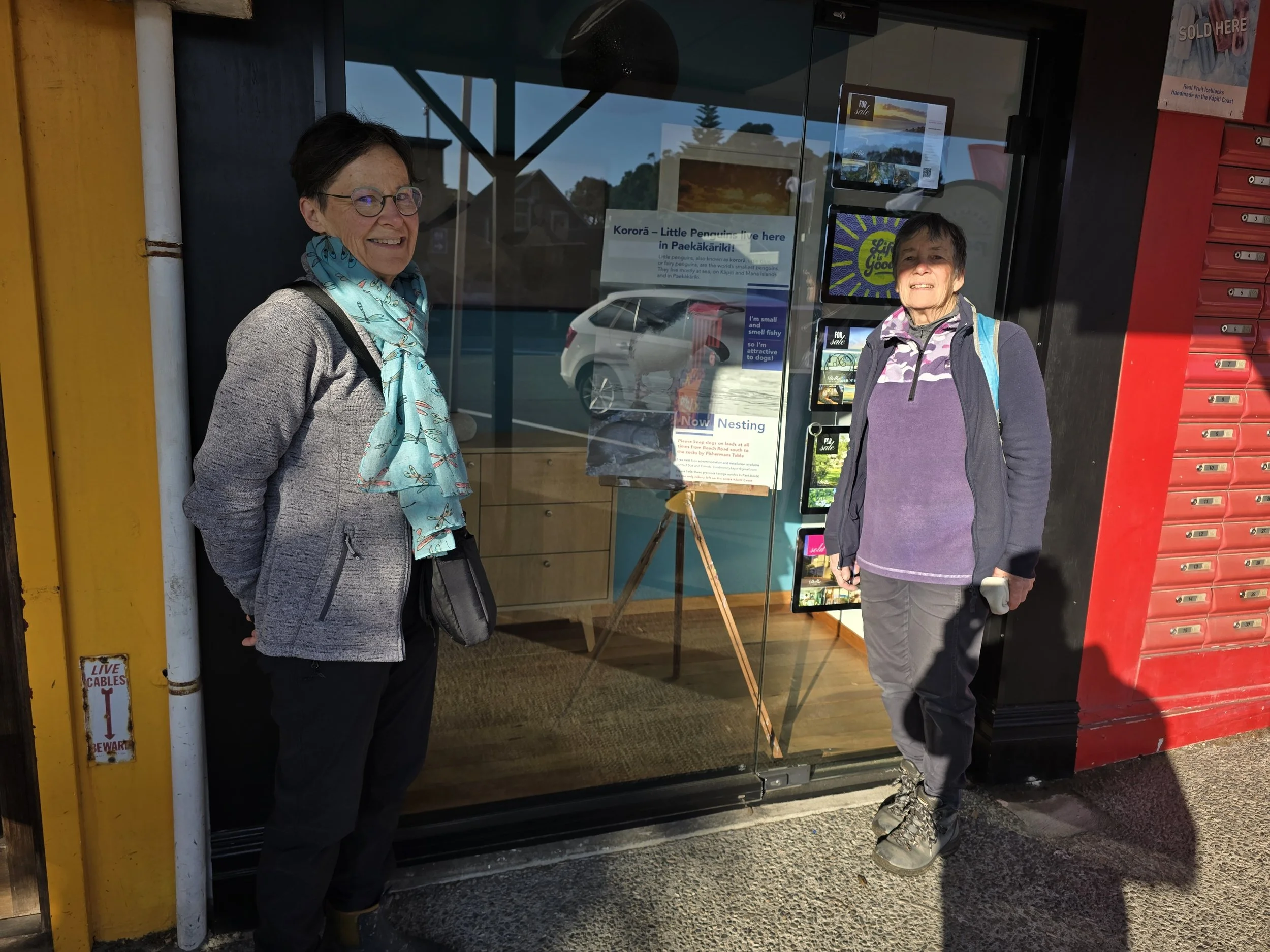
Kapiti Kororā Project volunteers Sue and Glenda in front of kororā advocacy signage in the Paekākāriki village
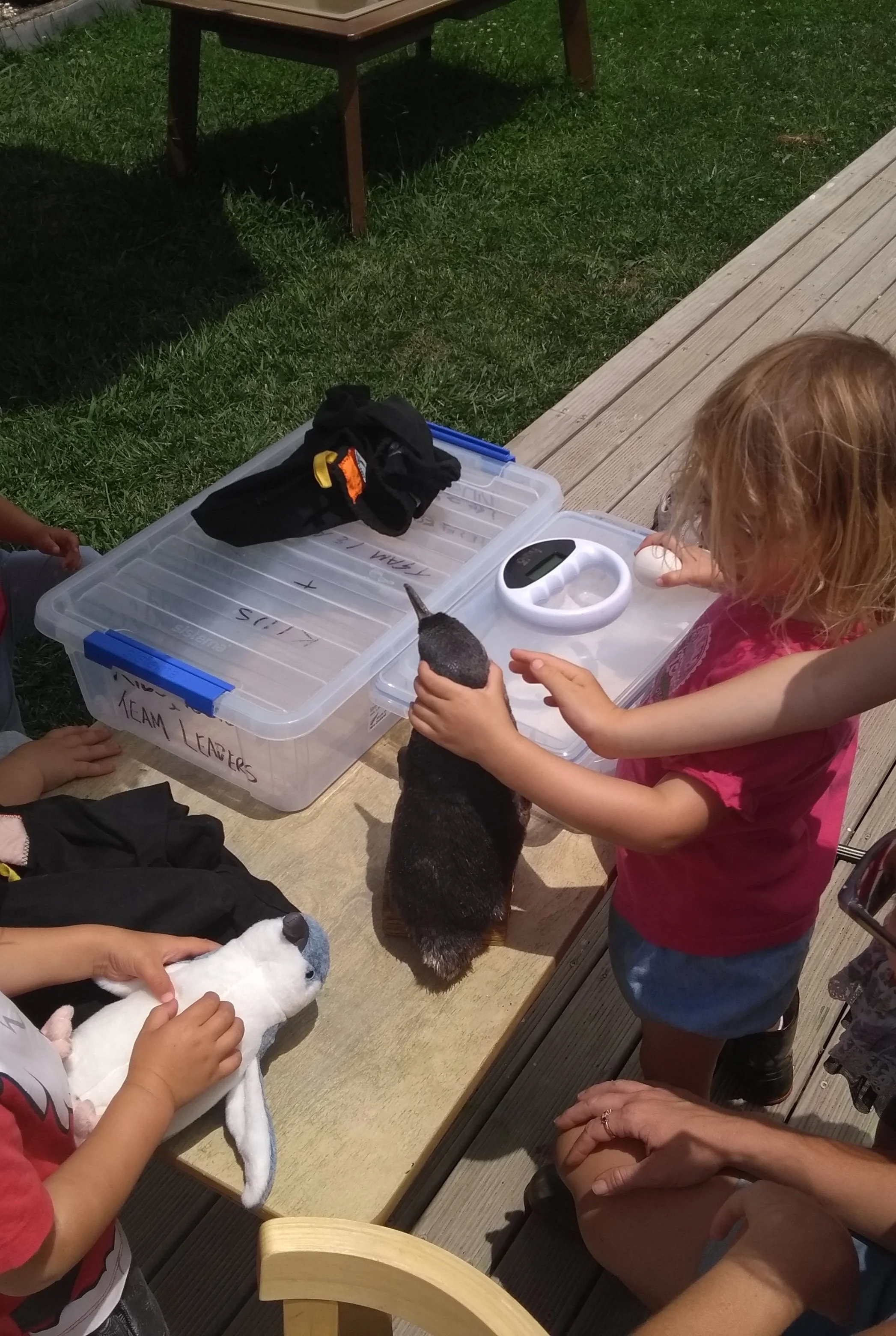
Western Bay Wildlife Trust preschool penguin workshop. Image Credit: Melissa McLuskie

Renewing nest box markers at Cape Sanctuary. Image Credit: Cherie Le Lievre
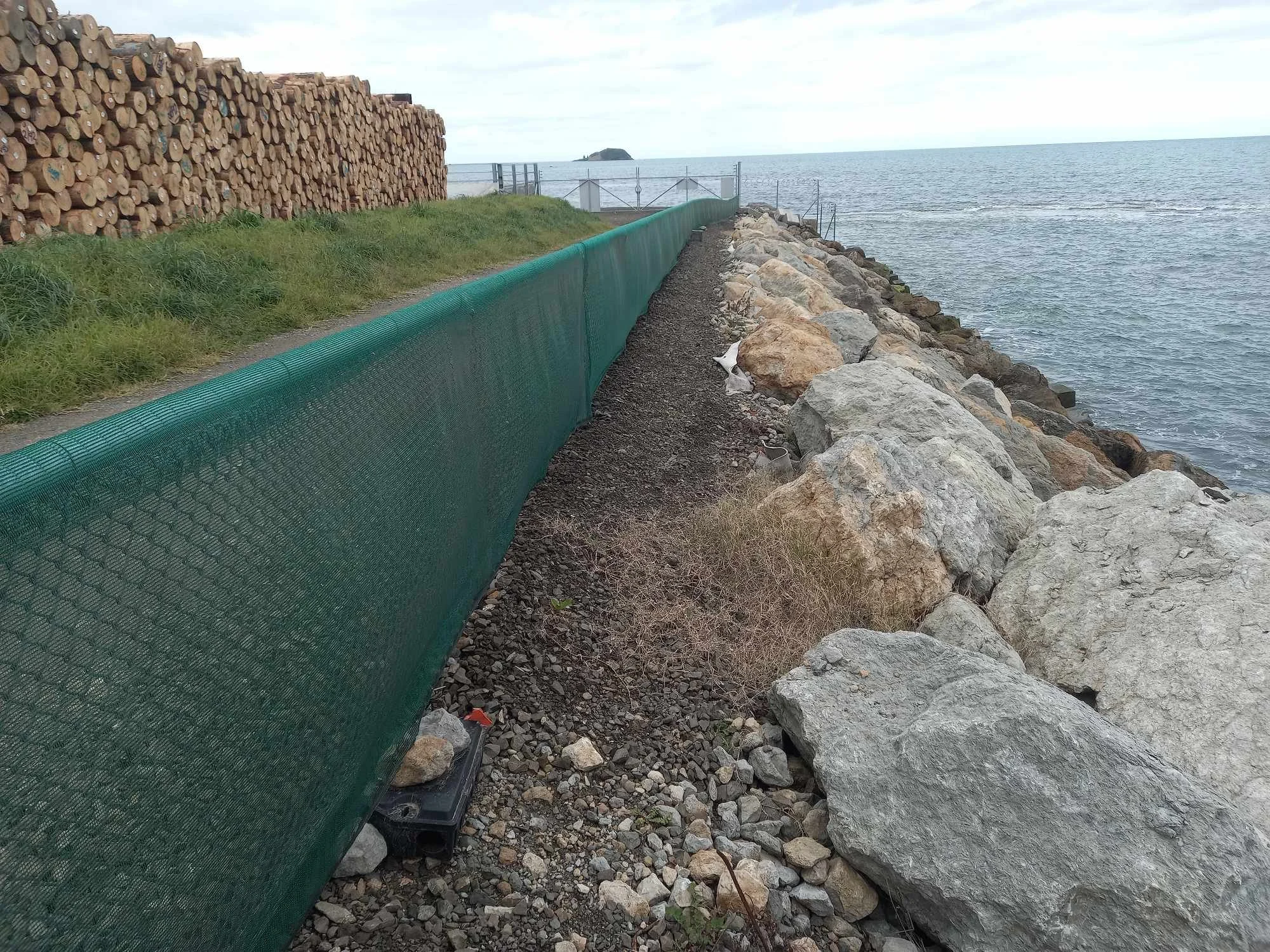
Eastland's Port purpose built protection fence to prevent kororā from entering port operational areas. Image Credit: Nicola Carter, Ecoworks
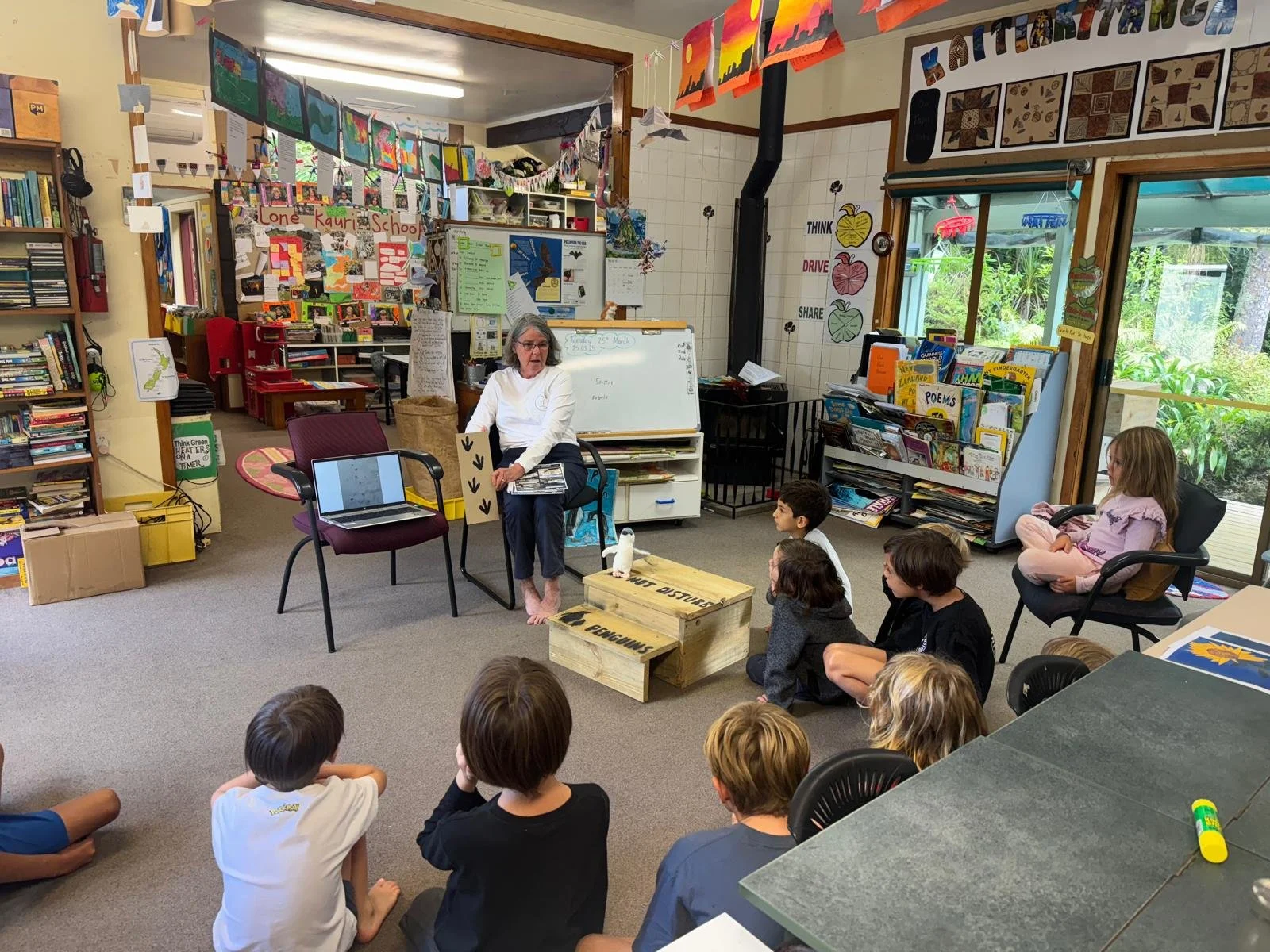
Karekare Landcare's Lone Kauri School activity about Little Penguins

Possible kororā nesting site at Urupukapuka Island. Image Credit: L Rumsey
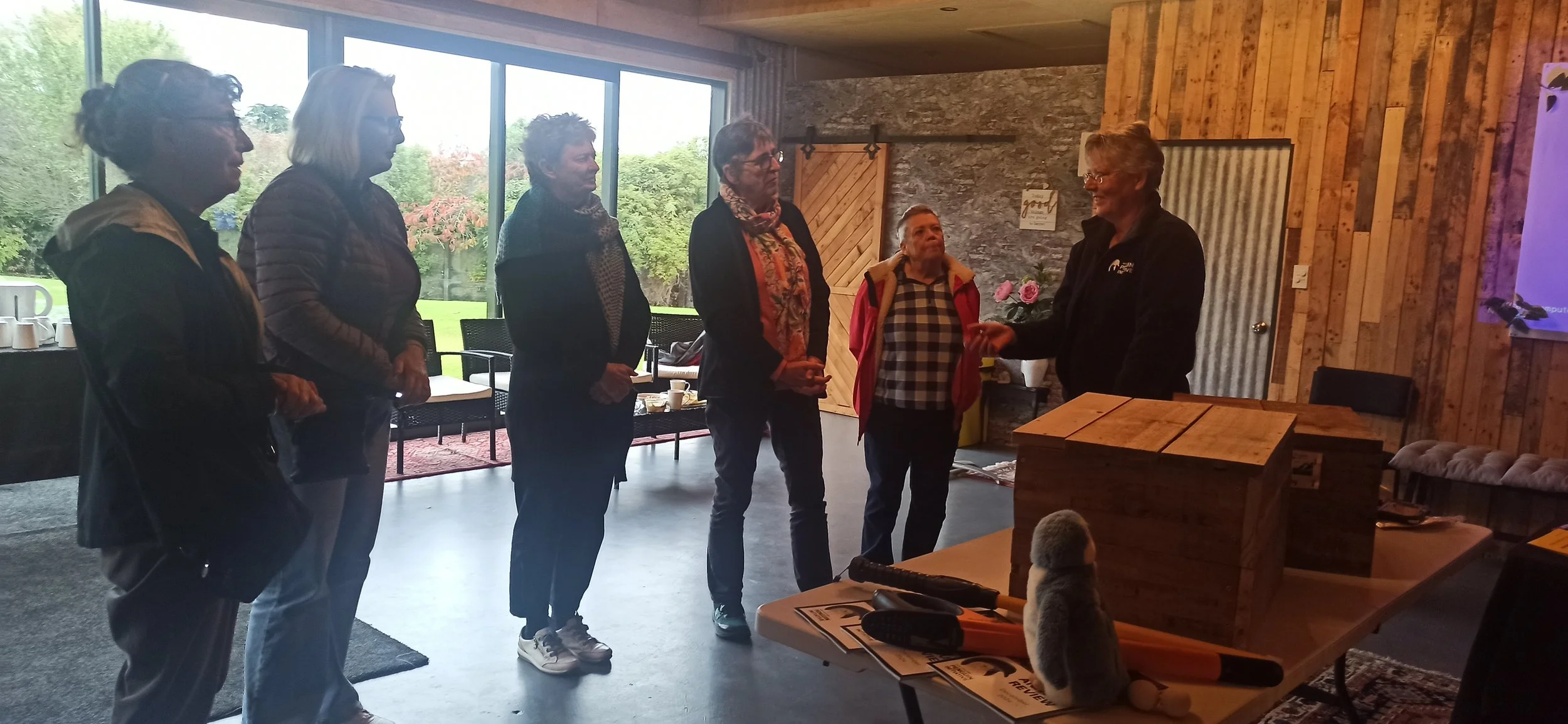
NZPI hosts a drop-in session for groups in Oamaru
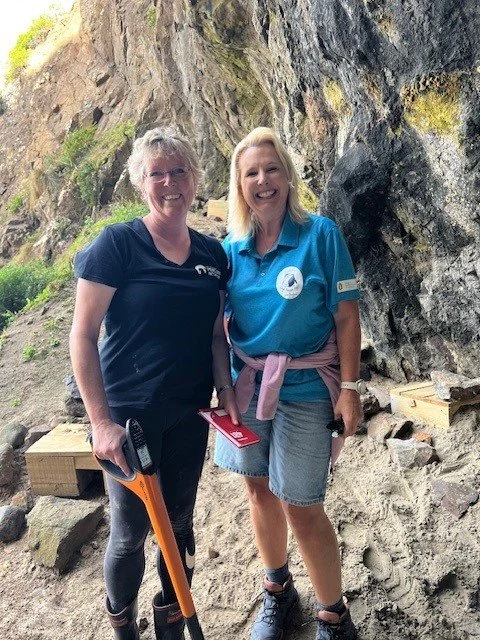
Madeleine from Leigh Penguin Project visits Programme Director Hiltrun in Otago
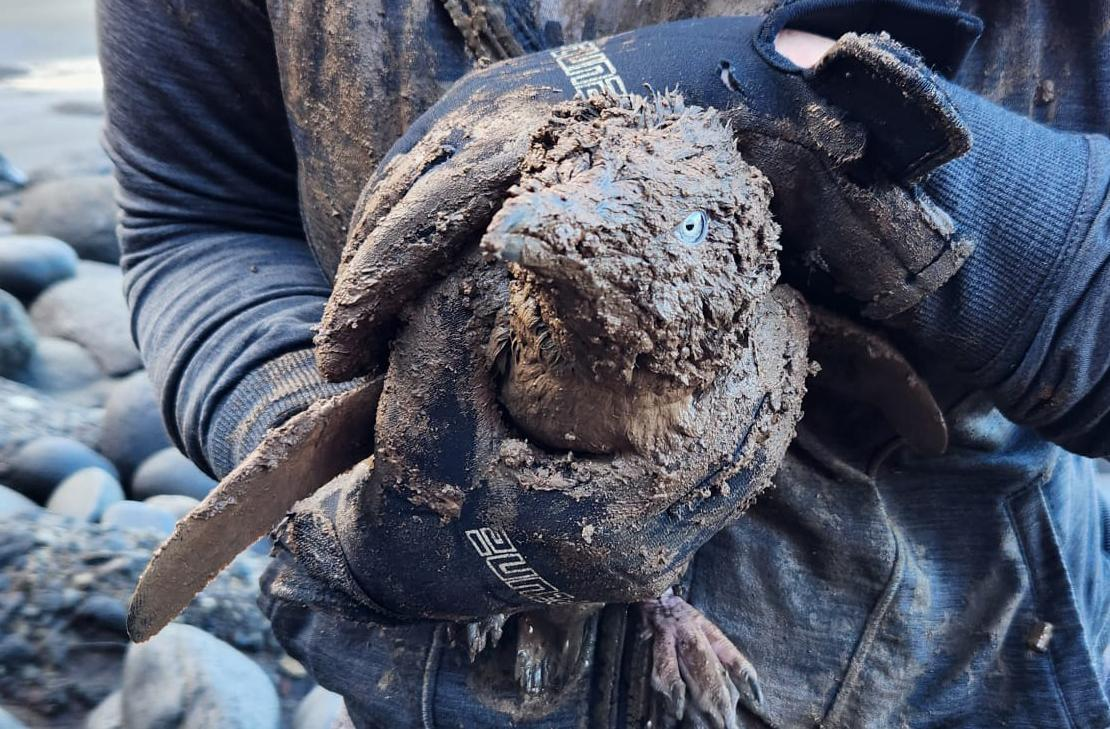
Muddy penguin that was buried in a landslip and rescued by Muriwai Environmental Trust volunteers
Western Bay Wildlife Trust Preschool Penguin Workshop. Image Credit: Melissa McLuskie
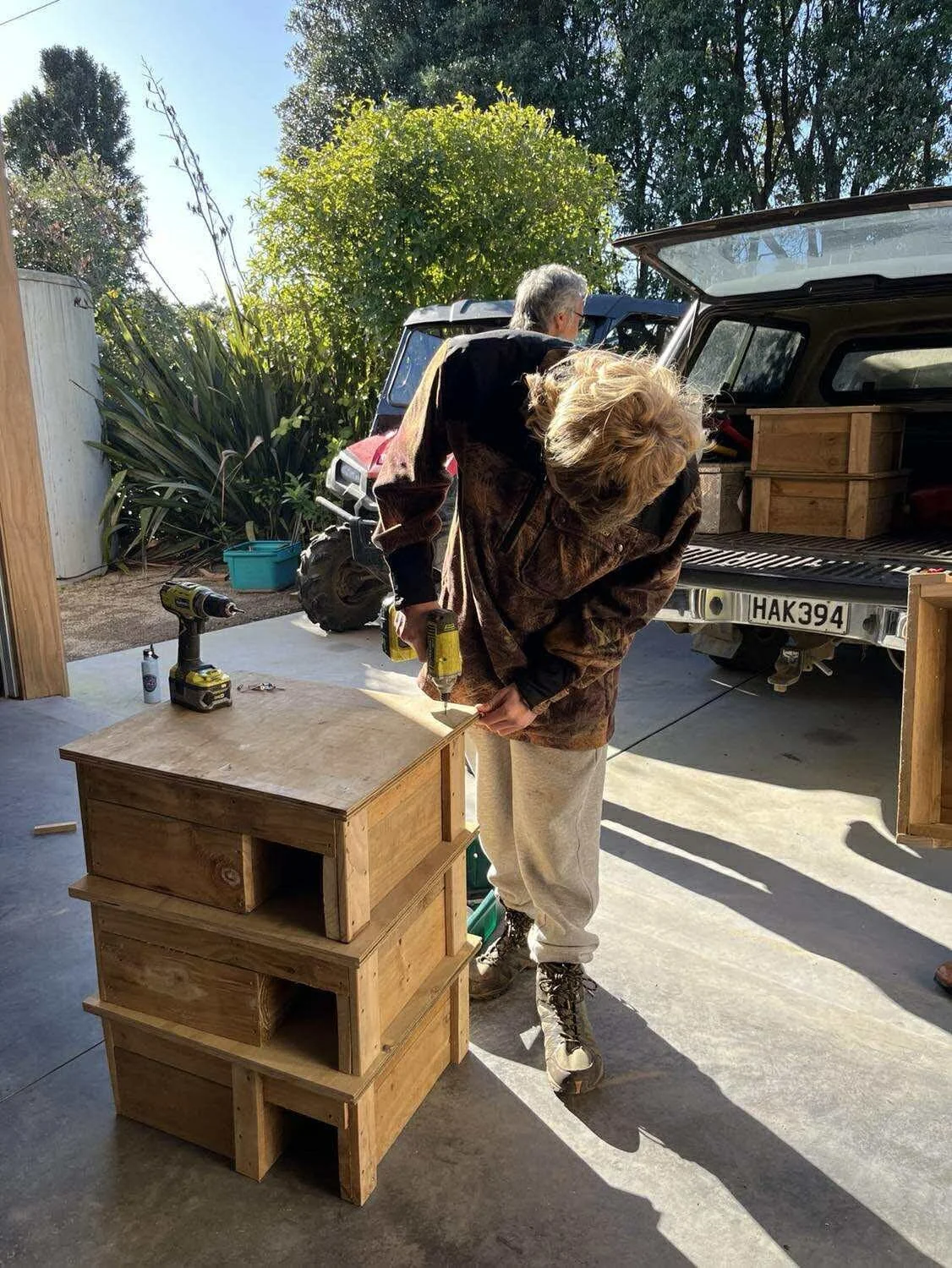
John from Raglan Area School building new nest boxes for the Karioi Project. Image Credit: Georgia Cummings
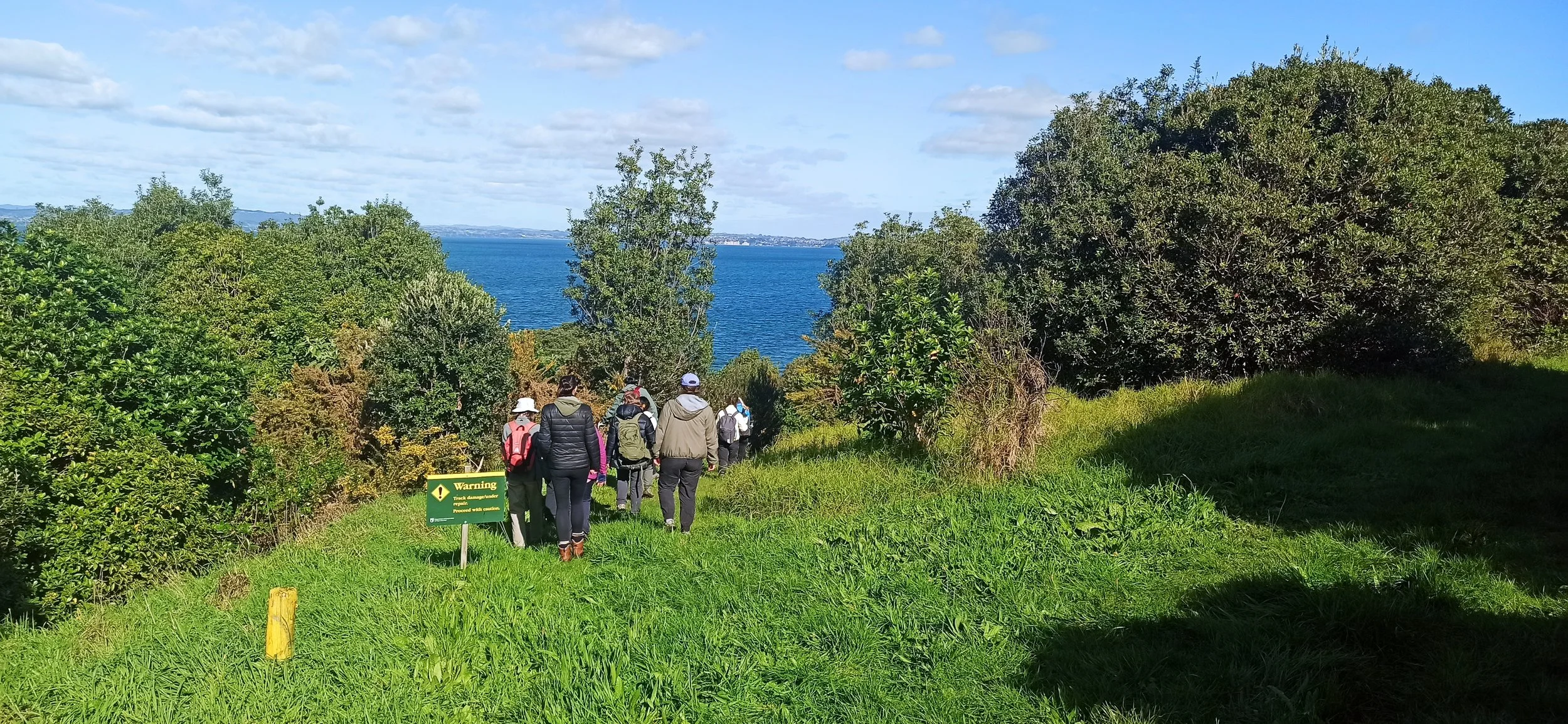
Motuihe Project penguin volunteers en route to do beach surveys
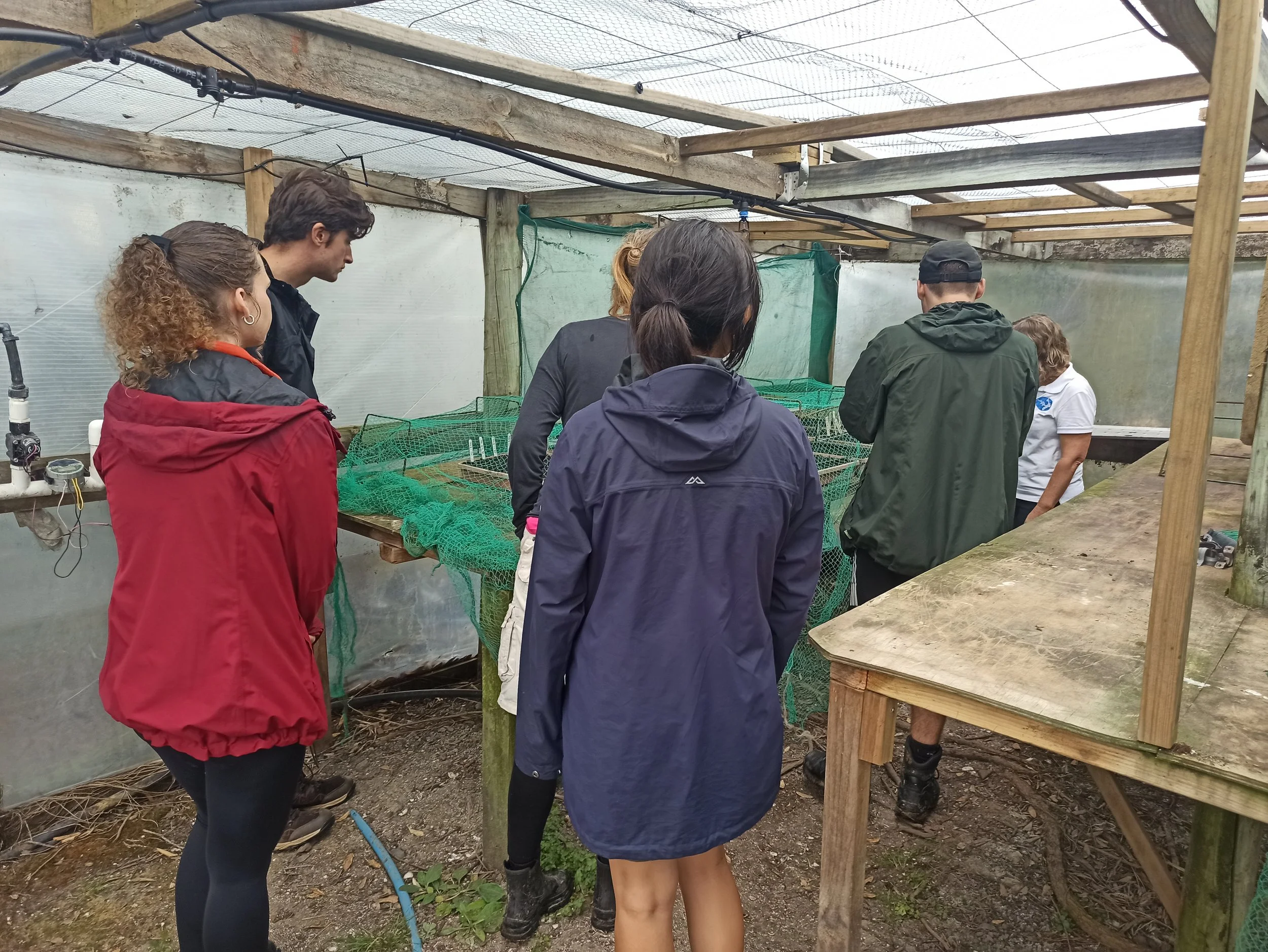
Motuihe Project Operations Manager Jill discusses rare native plants and revegetation efforts of Motuihe Island with volunteers
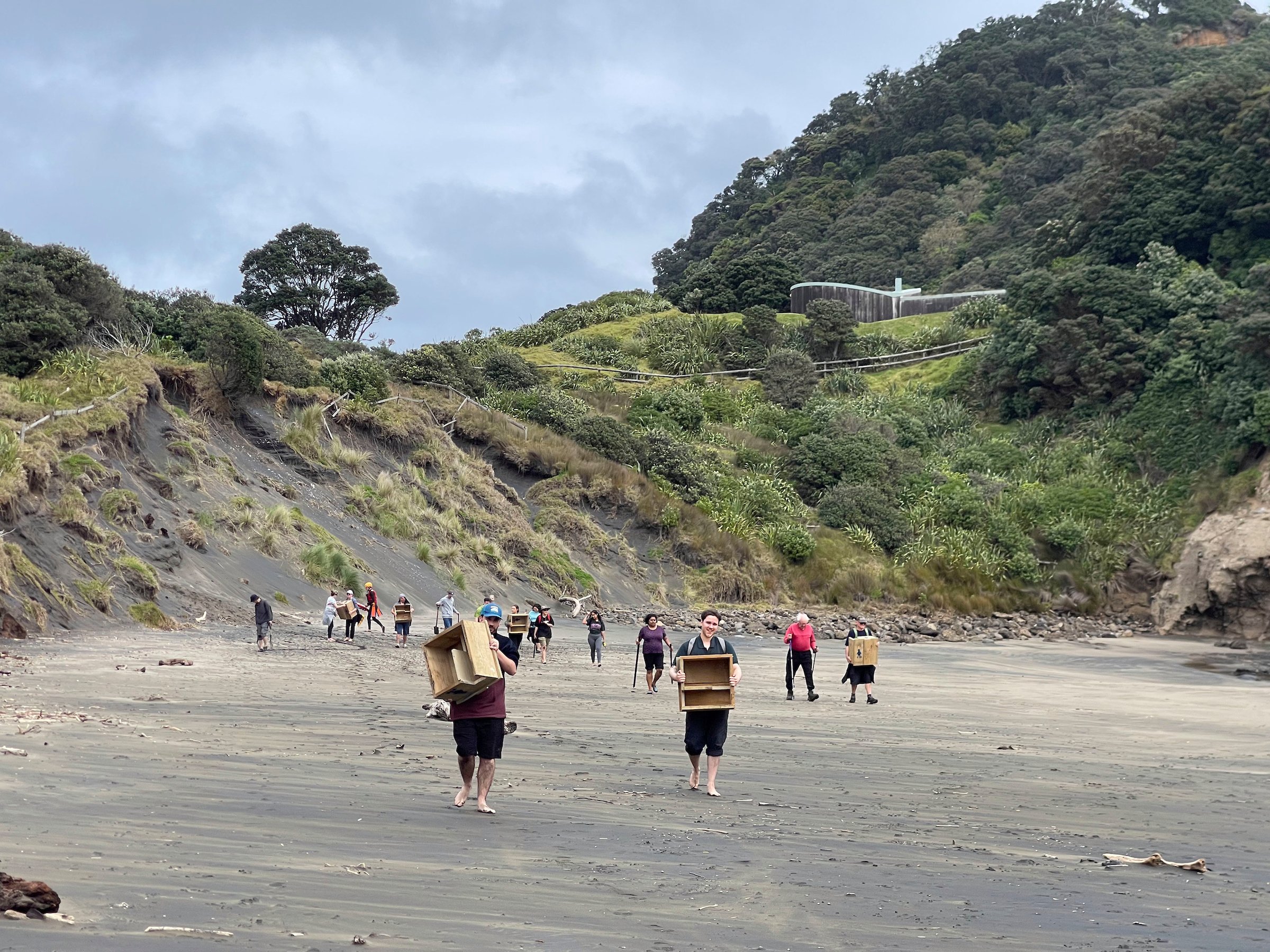
Kororā Te Henga volunteers deploying nest boxes. Image Credit: Simon Runting
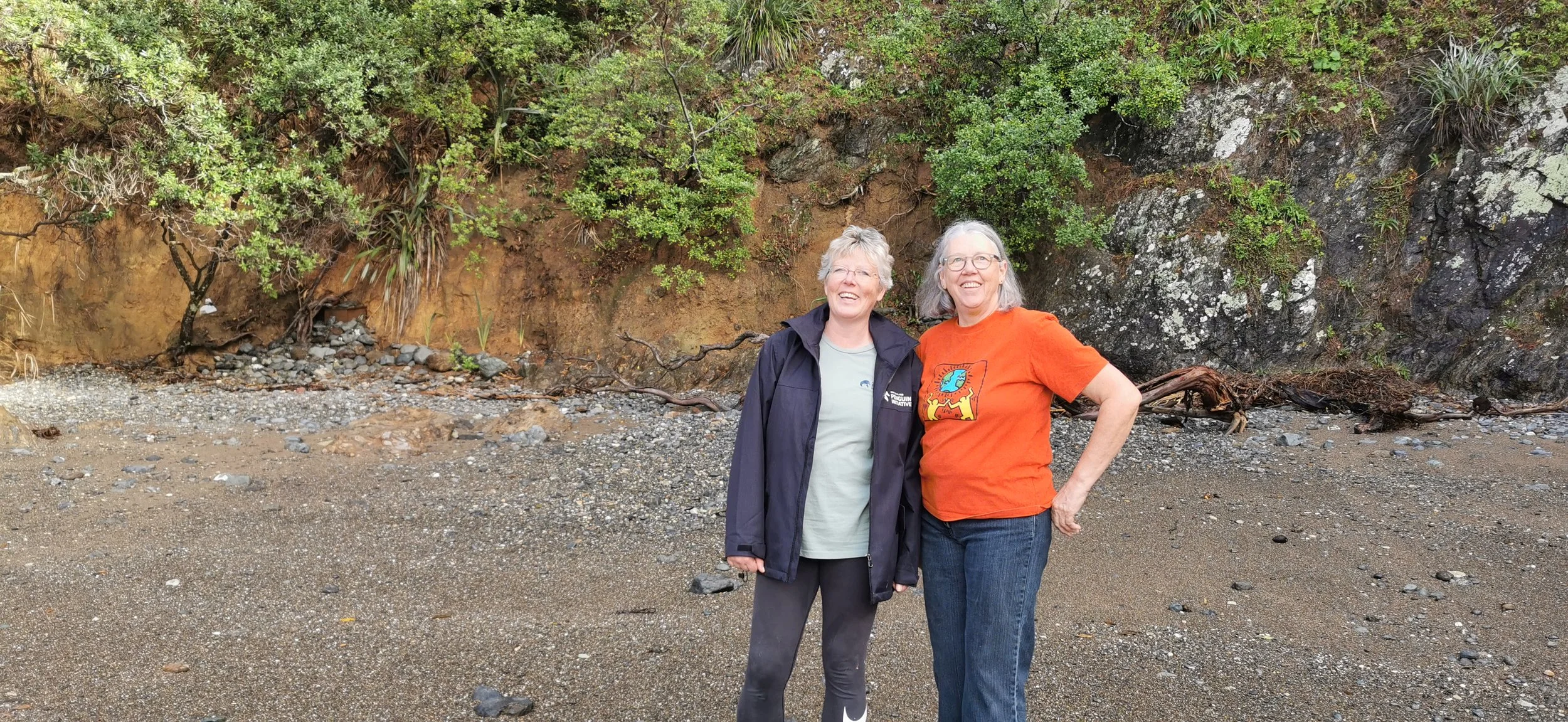
Hiltrun visits Helen from Waiheke Penguin Project to see how she has been providing nest boxes for safe habitat away from the ocean
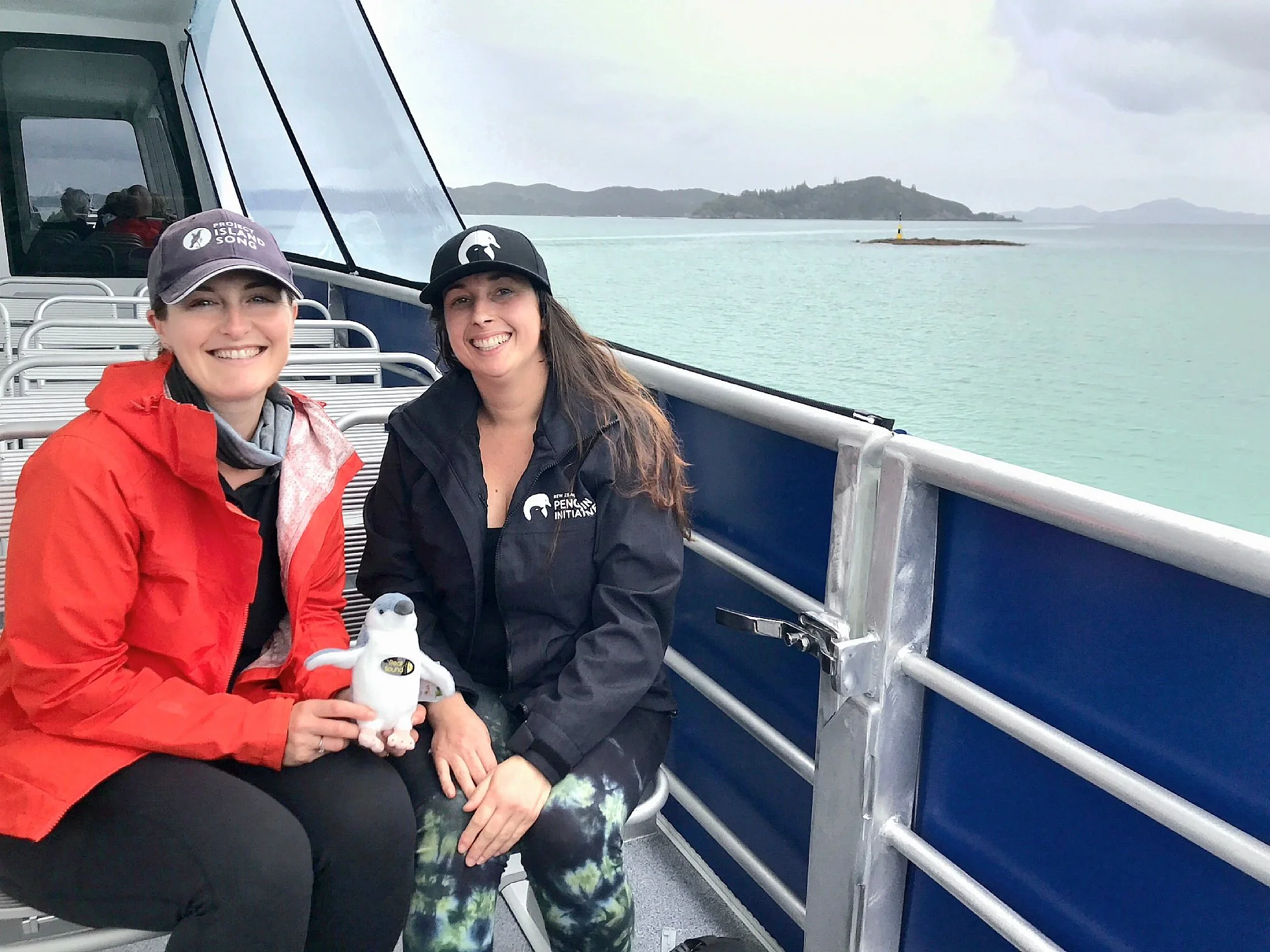
Laura from Project Island Song and Community Programme Manager travel via ferry to survey kororā habitat on Urupukapuka Island. Image Credit: A. O'Neill
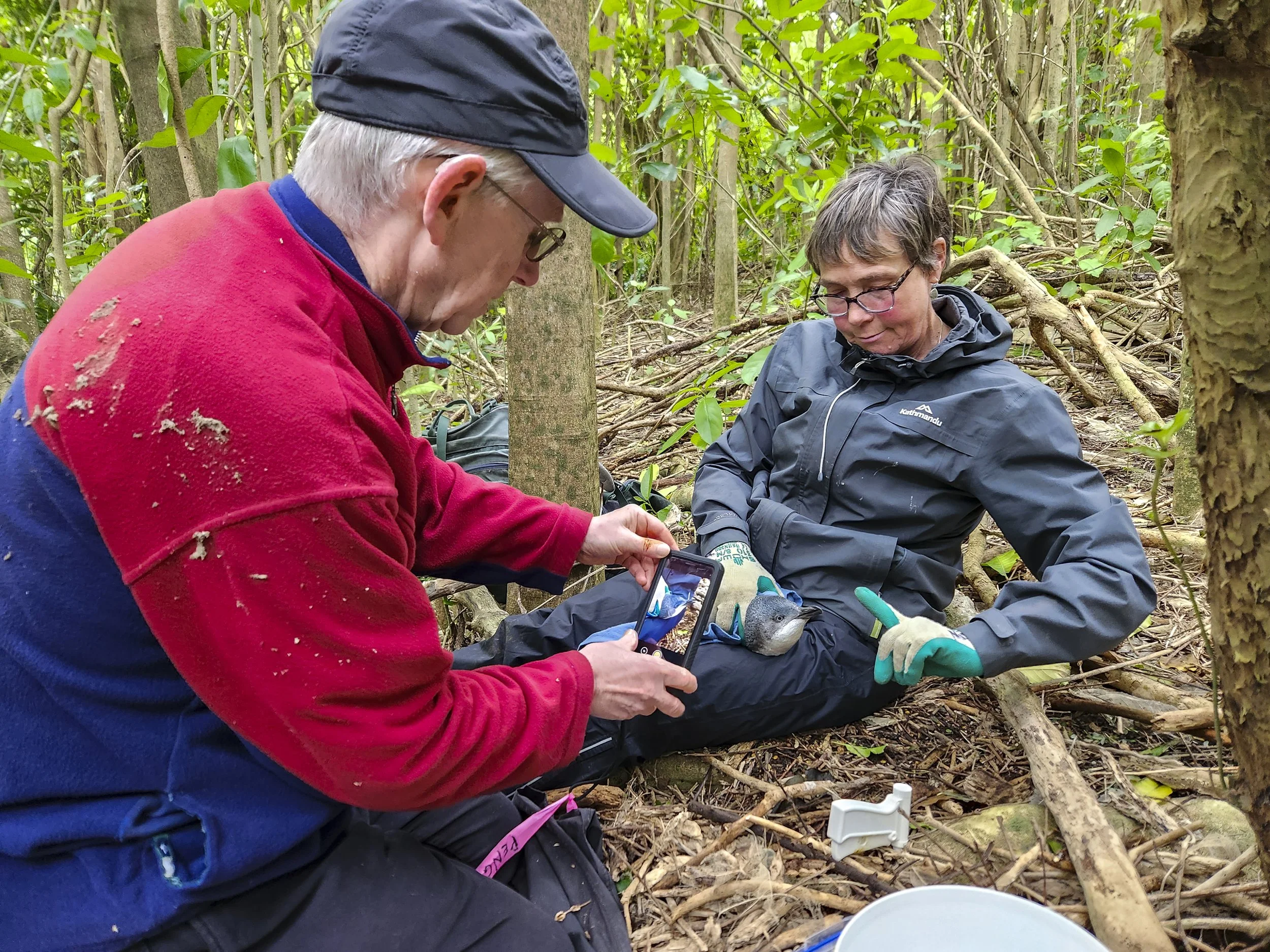
Supporters of Tiritiri Matangi volunteers taking a mugshot of a bird after tagging to help with ID
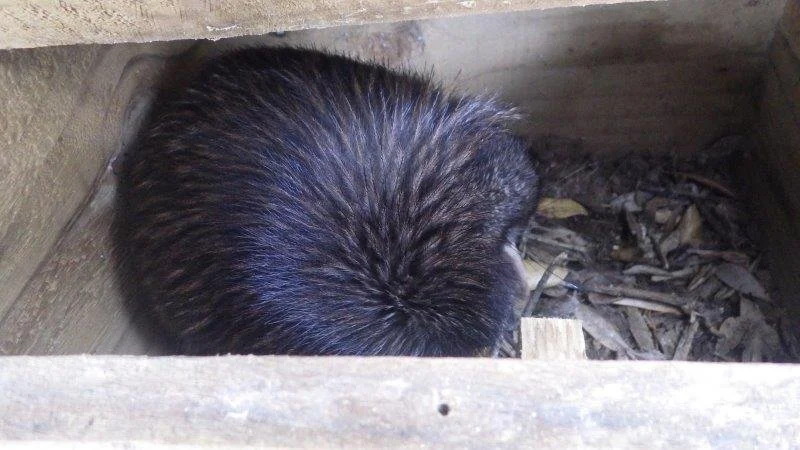
Brown kiwi in nest box found by Motuora Restoration Society volunteers
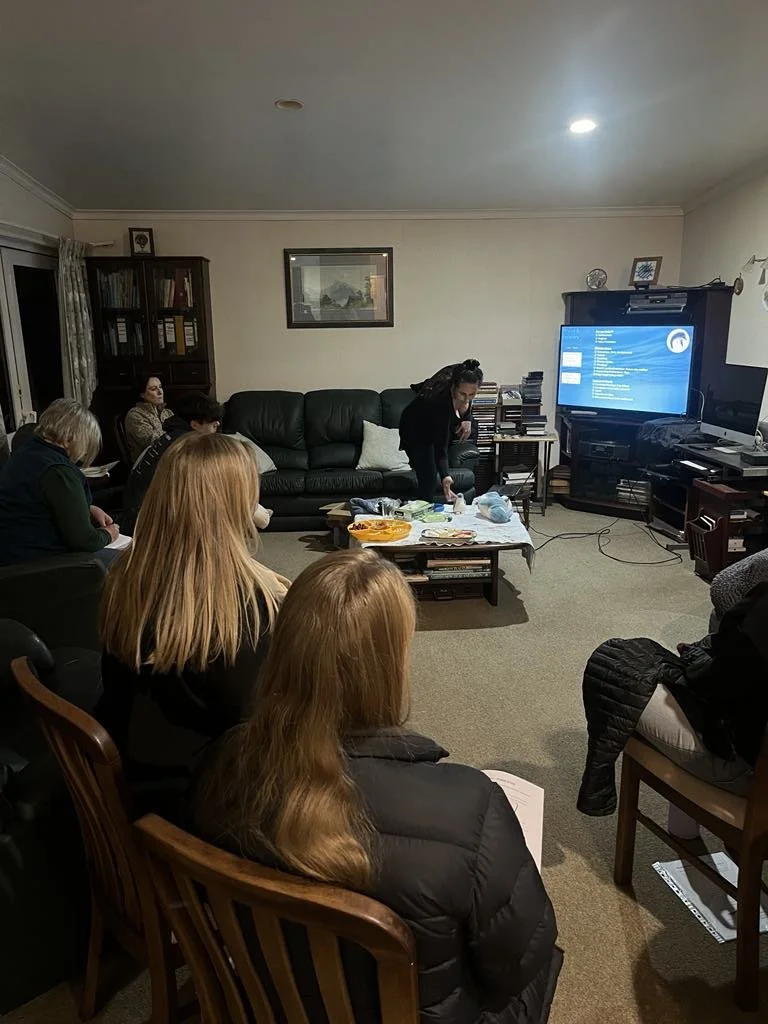
Community Programme Manager hosts a rescue education session with Western Bay Wildlife Trust. Image Credit: Vicki Woodcraft
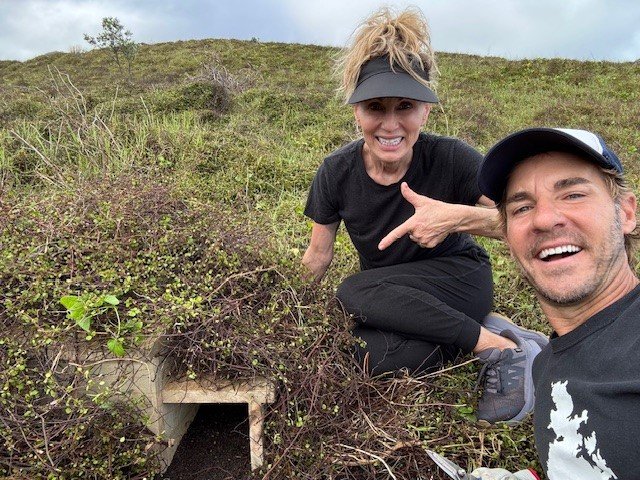
Aotea/Great Barrier Island volunteers installing a nest box. Image Credit: Lauren Havlick
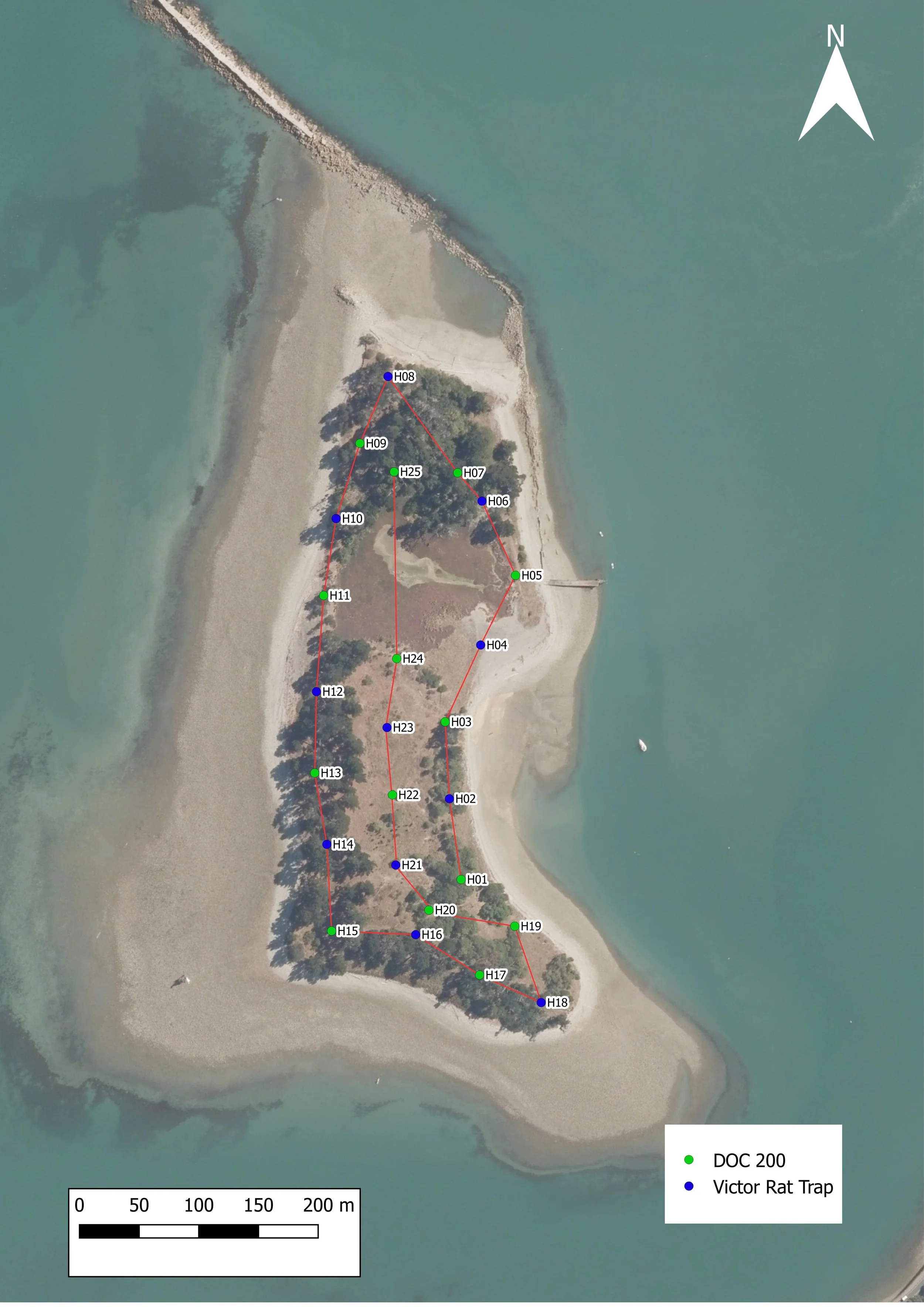
Friends of Haulashore Island trap network layout
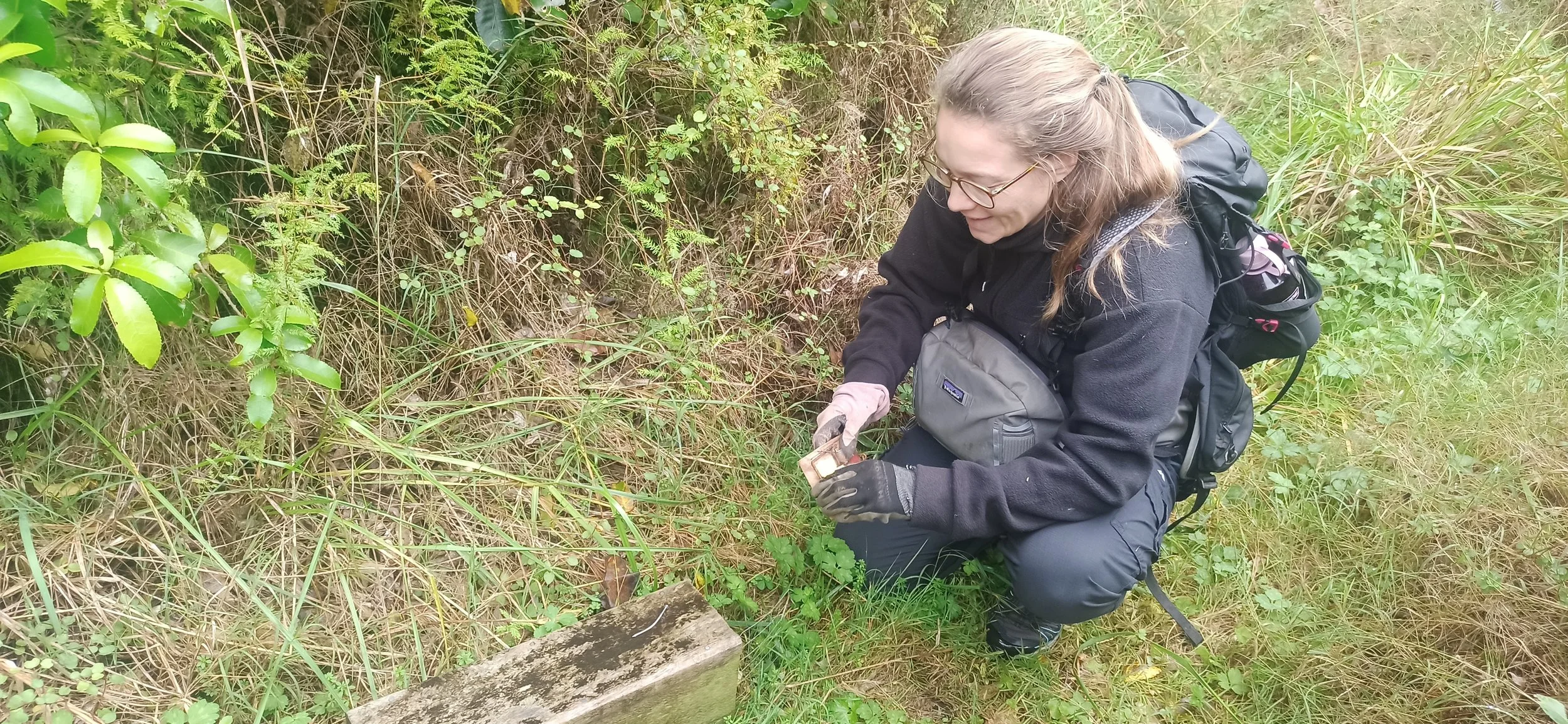
Georgia from the Karioi Project checking a trap in Raglan
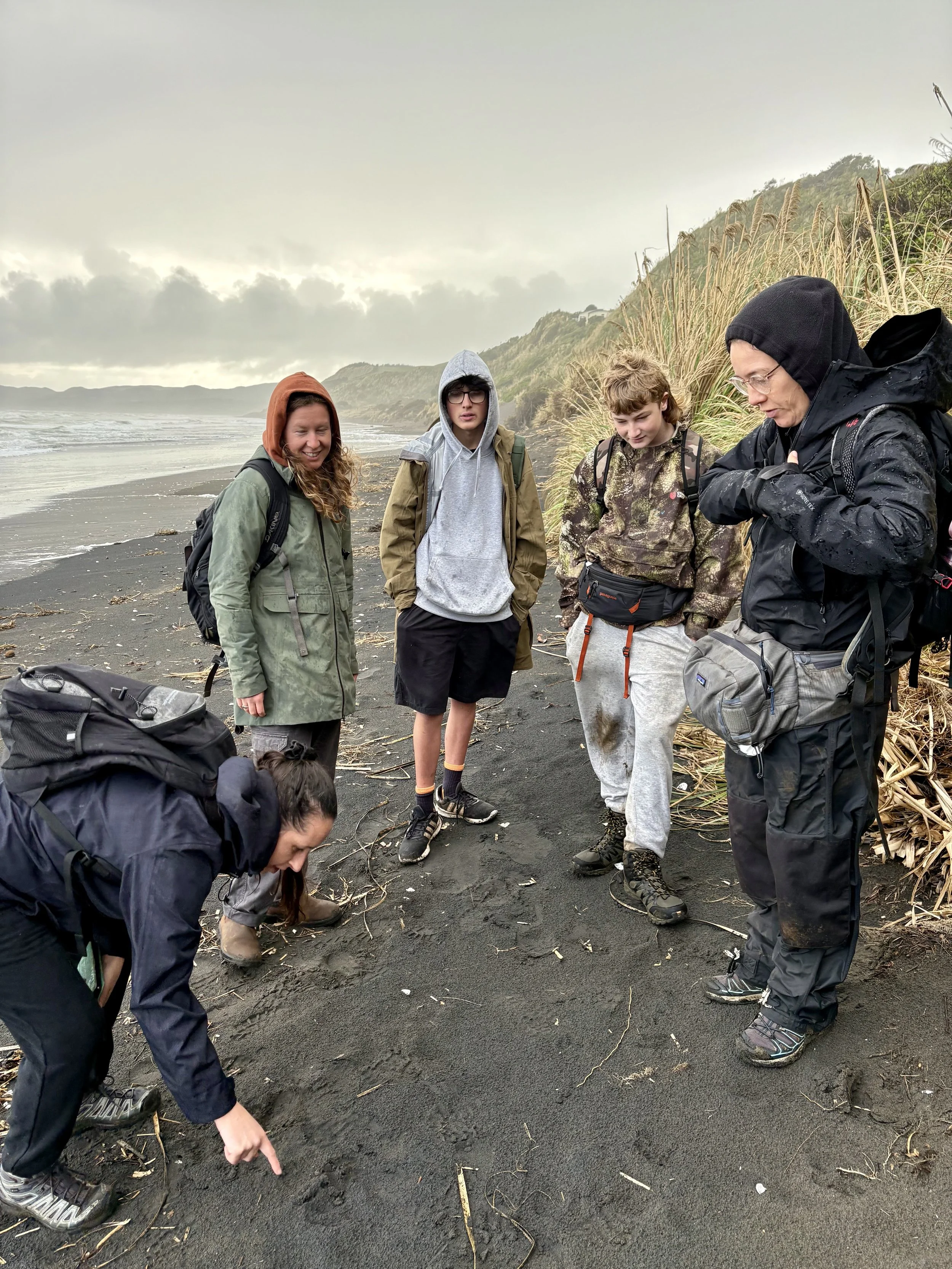
Community Programme Manager Melissa training volunteers in Raglan
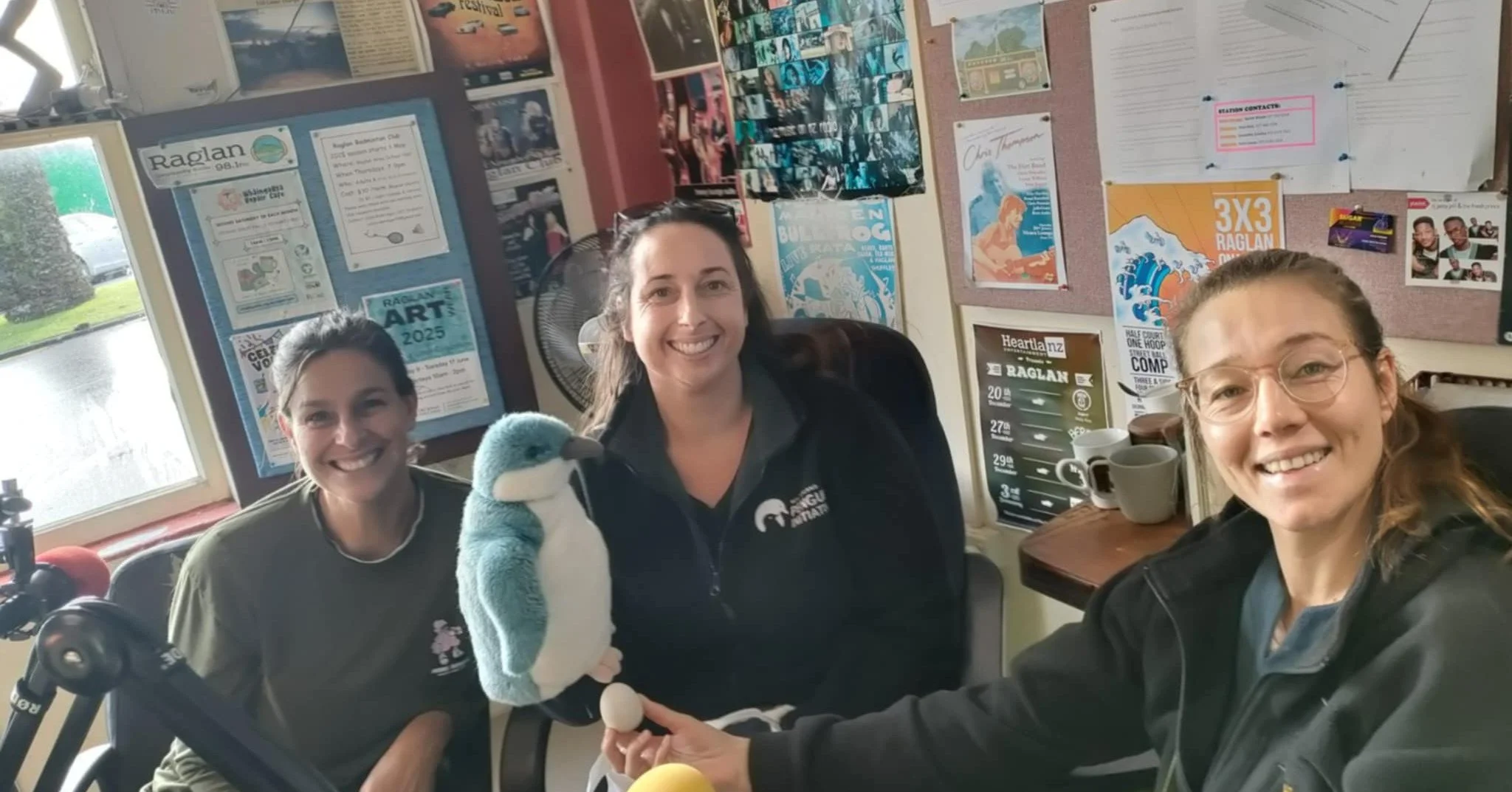
Community Programme Manager Melissa and Kristel and Georgia from the Karioi Project talk penguins, petrels and dogs on the community radio. Image Credit: Raglan Community Radio 98.1fm
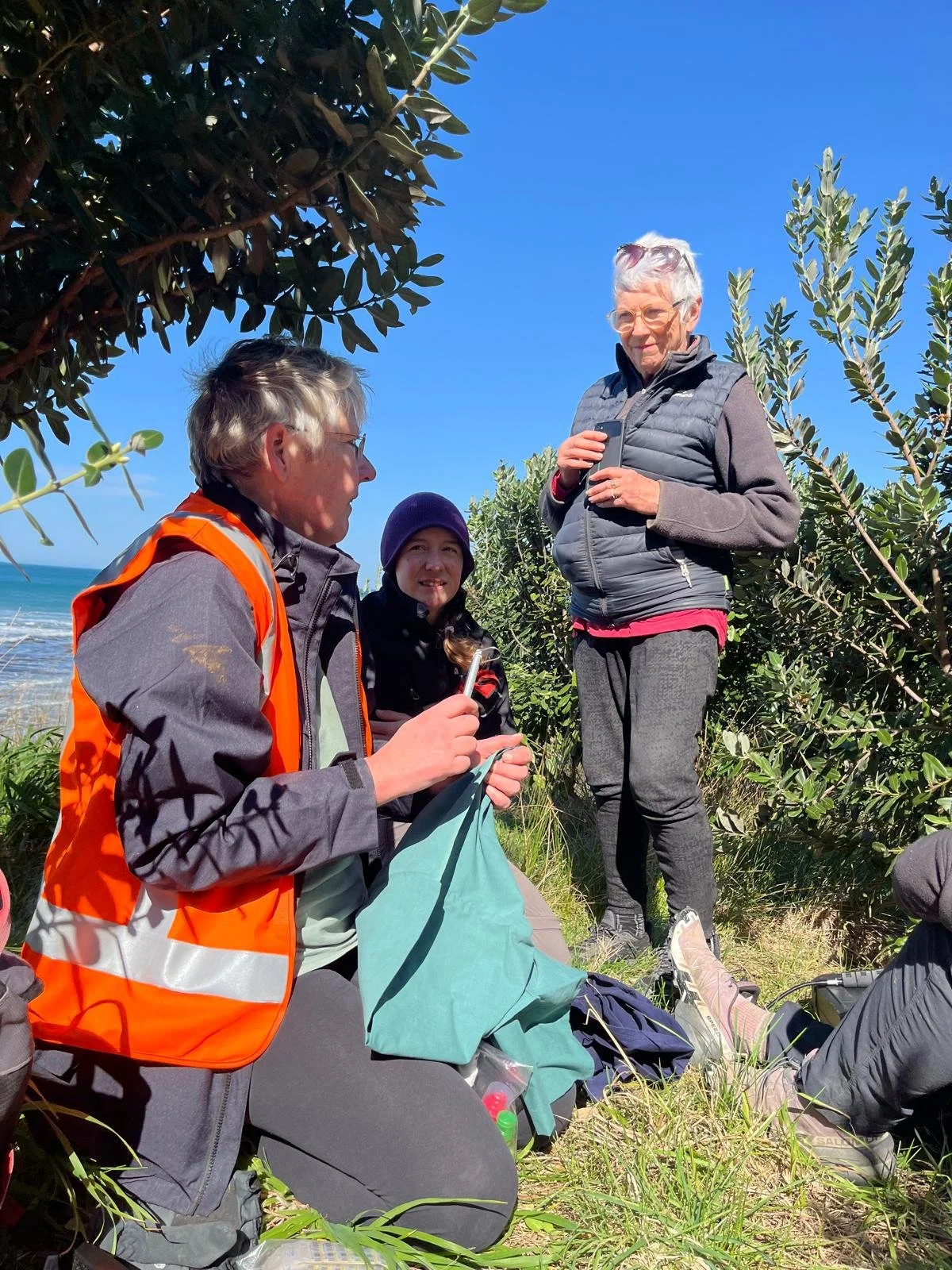
Cape Sanctuary penguin team training with Programme Director Hiltrun